Shazdeh Omari
Shazdeh Omari is CPJ's news editor. Former copy chief for The Village Voice, she has worked as a reporter and editor in the United States and Greece. Omari was born in Saudi Arabia and raised in Karachi, Pakistan, where she learned to read, speak, and write Urdu.
Turkey imposes ban on media coverage of Iraq hostage crisis
Istanbul, June 18, 2014–The Committee to Protect Journalists is alarmed by a Turkish court’s decision on Monday to censor media coverage of a hostage crisis in the Iraqi city of Mosul. Last week, insurgents led by the Al-Qaeda splinter group Islamic State in Iraq and Sham abducted at least 80 Turkish citizens, including 49 consulate…
Attacks on the Press in 2011: Preface
Technology has democratized news publishing, rattling regimes that see their survival dependent on control of information. Video footage of repression from Burma to Syria to Egypt dramatically illustrates the benefits of Internet platforms and social media. Yet the Arab uprisings of 2011 also demonstrate the urgent need for providers and users of digital tools to…
Attacks on the Press in 2011: Abolishing Censorship
Even as trade and new systems of communication turn us into global citizens, the information we need to ensure accountability often stops at national borders. New platforms like social media are valuable tools, but the battle against censorship is hardly over. By Joel Simon
Attacks on the Press in 2011: Regulating the Internet
Legislation for Internet security can quickly turn into a weapon against the free press. Cybercrime laws are intended to extend existing penal codes to the online world, but they can easily be broadened to criminalize standard journalistic practices. By Danny O’Brien
Attacks on the Press in 2011: Profiles in Freedom
How does one negotiate the choice to stay and report potentially dangerous news, rather than take a less risky assignment, leave the profession, or flee the country? The recipients of the 2011 International Press Freedom Awards explain. By Kristin Jones
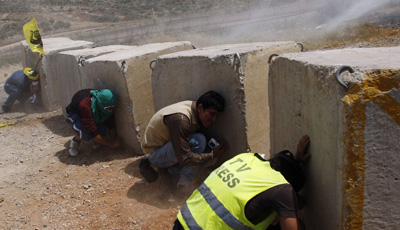
Attacks on the Press in 2011: Evolution in Journalist Security
The danger of covering violent street protests has become a significant risk for journalists, alongside combat and targeted killings. Sexual assault, organized crime, and digital vulnerability are also hazards. The security industry is struggling to keep up. By Frank Smyth
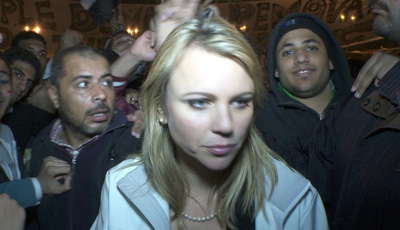
Attacks on the Press: Changing Views on Sexual Assault
The much-publicized assault on Lara Logan put the danger of sexual violence for journalists into the spotlight for the first time. As a result, there is more open discussion between reporters and news managers, but still too few preventative steps. By Lauren Wolfe