Record 129 press members killed in 2025; Israel responsible for 2/3 of deaths
- English
- العربية
In This Report
Key findings
- More journalists and media workers were killed in 2025 than in any other year since the Committee to Protect Journalists (CPJ) began collecting data more than three decades ago.
- This is the second consecutive year-on-year record for press deaths.
- Israel was responsible for two-thirds of all press killings in both 2025 and 2024.
- The Israel Defense Forces (IDF) has committed more targeted killings of journalists than any other government’s military since CPJ began documentation in 1992.
- Drone killings of press members are on the rise: surging from two in 2023 — the first year CPJ documented such killings — to 39 in 2025.
- At least 104 of the 129 journalists and media workers were killed amid conflicts in 2025. While the number of journalists killed in Ukraine and Sudan increased, the majority were Palestinians killed by Israel.
- Very few transparent investigations have been held into the cases of targeted killings documented by CPJ in 2025, and no one has been held accountable in any of these cases.
Introduction
At a time when armed conflict has reached historic levels around the world, journalist killings also reached an all-time high primarily due to the actions of one government: Israel was responsible for two-thirds of all journalist and media worker killings in 2025, driving the total number killed worldwide last year to a record 129 — the highest ever number documented by the Committee to Protect Journalists (CPJ) since the organization started keeping records more than three decades ago.
This marks back-to-back record years for press fatalities due to Israel’s continued and unprecedented targeting of journalists and media workers. More than 60% of the 86 members of the press killed by Israeli fire in 2025 were Palestinians reporting from Gaza, where human rights groups and U.N. experts agree a genocide is taking place.
Over three-quarters of all press deaths in 2025 were in conflict settings. While the number of journalists and media workers killed in Ukraine and Sudan increased slightly in 2025 compared to the previous year, to four and nine deaths in each country respectively, the numbers were still very low compared to Israel, which remains a significant exception.
The rising number of journalist deaths globally is fueled by a persistent culture of impunity for attacks on the press: Very few transparent investigations have been conducted into the 47 cases* of targeted killings (classified as “Murder” in CPJ’s longstanding methodology) documented by CPJ in 2025 — the highest number of journalists deliberately killed for their work in the past decade — and no one has been held accountable in any of the cases. These killings of journalists violate international humanitarian law, which stipulates that journalists are civilians and should never be deliberately targeted.
The continued failure of government leaders to protect the press or hold their attackers to account also lays the groundwork for more killings, including in countries not at war. Journalists were killed in Mexico, India, and the Philippines in 2025, all countries that have persistently failed to secure justice for journalists’ murders. CPJ has called for radical reform of the ways governments investigate journalist killings in order to bring perpetrators to justice, including establishing an international investigative task force and imposing targeted sanctions.
The uptick in journalist killings is symptomatic of a wider decline in press freedom and journalist safety globally: A near-record number of journalists were jailed in 2025 amid smear campaigns and legal abuse that sought to criminalize the act of reporting the facts. Online harassment and physical attacks against journalists continued to rise amid increasingly hostile rhetoric towards reporters and media organizations, even in supposedly democratic countries.
“Journalists are being killed in record numbers at a time when access to information is more important than ever,” said CPJ CEO Jodie Ginsberg. “Attacks on the media are a leading indicator of attacks on other freedoms, and much more needs to be done to prevent these killings and punish the perpetrators. We are all at risk when journalists are killed for reporting the news.”
CPJ records a journalist’s killing in its database if it has reasonable grounds to believe they have been or may have been killed in relation to their work: either killed accidentally in a conflict zone or on a dangerous assignment, or killed deliberately because of their journalism. CPJ’s role is to ensure that every journalist and media worker killed in connection with their work is named, recorded, and thoroughly investigated so this information can stand against any efforts to erase, deny or politically instrumentalize their killings. See our methodology here.
Israel, over and above the new normal of war
The number of conflicts worldwide is at its highest level since the end of World War II. Researchers note this is a structural shift, with the globe more violent and fractured than it was a decade ago. That raises the risks for journalists, both because of the dangers inherent in conflict reporting — and because, increasingly, journalists are deliberately targeted.
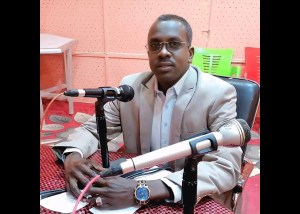
In Sudan, nine journalists and media workers were killed in 2025, an increase from six in 2024 and one in 2023 as the country’s brutal civil war entered its third year. Tens of thousands of people have died, and millions have been displaced as the paramilitary Rapid Support Forces (RSF) gained ground over the Sudanese Armed Forces (SAF) troops. One of the journalists killed, Sudan News agency director Taj al-Sir Ahmed Suleiman, was executed by the RSF in November along with his brother in El Fasher, North Darfur state.
Journalists in Sudan are having to report in terrifying conditions: Since the beginning of the war, CPJ has documented a trail of abuses, most attributed to the RSF. At least 16 journalists and media workers have been killed, women journalists raped, media offices turned into detention centers, homes seized, and journalists abducted and held for ransom. In brazen disregard for the possibility of accountability, many of these acts were filmed and circulated by the perpetrators themselves.
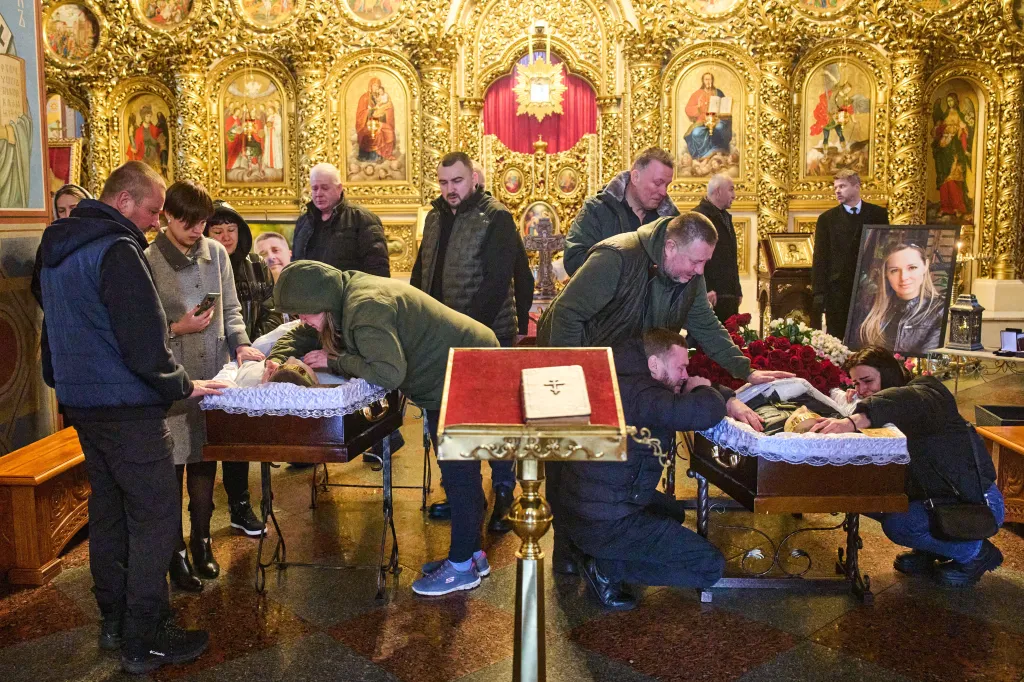
In Ukraine, four journalists were killed by Russian military drones, the highest annual number of journalist deaths in the war since 15 were killed in 2022. (See the section: “Drones — A new tool). Those killed include Ukrainian journalists Olena Hramova and Yevhen Karmazin, who were attacked while reporting for Ukraine’s state-funded international broadcaster Freedom in Kramatorsk, in the eastern region of Donetsk. French photojournalist Antoni Lallican was killed by a targeted strike from a Russian first-person view (FPV) drone on October 3, 2025, while reporting in Donetsk.
Within the context of rising conflict worldwide, Israel’s disregard for the lives of journalists — and the international laws intended to protect them — is, however, unparalleled. Israel has now killed more journalists than any other government since CPJ began collecting records in 1992, making the Israel-Gaza war (which incorporates Israel’s killings in Gaza as well as its lethal attacks in Lebanon, Yemen, and Iran) the deadliest on record for journalists. Three of these killings, including one murder, occurred after the October 2025 ceasefire.
While reporting on war is inherently dangerous, Israel has shifted the paradigm in its deliberate and unlawful targeting of journalists. In 2025, CPJ documented 47 cases* of journalists murdered because of their work, with Israel responsible for 81% of cases. The total number of targeted killings may be far higher. Amid the extreme constraints imposed on Gaza, including a ban on independent foreign press access, destroyed communications infrastructure, mass displacement, and widespread loss of life, it is difficult to investigate the circumstances of each death. With much contemporaneous evidence now destroyed, the true number of Palestinian journalists in Gaza who were deliberately targeted by Israel may never be known.
The deliberate targeting and killing of a journalist by any military, who are required to protect civilians under international law, constitutes a war crime. CPJ has called on international authorities to ensure that all cases of targeted killings of the press are independently and impartially investigated as war crimes, given Israel’s longstanding unwillingness to investigate and prosecute crimes committed by its military. The perpetrators — from the individuals in the IDF units through to the highest level of the command chain — must be held to account.
A note on methodology
Deliberate targeting of a journalist for their work is defined as “Murder” in CPJ’s long-standing classification system. This classification should not be taken to suggest that any of the other killings recorded in our database are considered lawful, but rather that CPJ has not been able to determine whether that individual was killed specifically because of their journalism. Under international humanitarian law, there are many other types of war crimes that can be committed against civilians beyond direct targeting, including disproportionate or indiscriminate attacks.
CPJ has documented instances in which journalists targeted by Israel in Gaza were known to have reported at length on apparent Israeli war crimes, such as starvation or attacks on hospitals. By using this tactic, Israeli forces have compounded violations of international law while also silencing critical reporting on the ground.
Among the journalists targeted by Israel was Hossam Shabat, a 23-year-old Palestinian correspondent for Qatari-based Al Jazeera Mubasher and U.S.-based Drop Site News, who was killed on March 24, 2025, in an Israeli strike on his car near the Indonesian hospital in northern Gaza’s Beit Lahia. Shabat was heading to a hospital when he was blown up by an Israeli drone that directly targeted him. Shabat was one of the most well-known journalists who remained in northern Gaza to report on Israel’s assault on the besieged territory. Israel accused Shabat of being a Hamas sniper without providing credible evidence.
To date, CPJ reporting has found that no one has been held accountable for any targeted killings of a journalist by Israel since October 7, 2023, or in the preceding 22 years. The persistent lack of justice for murdered journalists is a major threat to press freedom. More than a decade after the United Nations declared an International Day to End Impunity for Crimes Against Journalists — and more than 30 years after CPJ began documenting these killings — 80% of such killings worldwide remain unsolved.
Deadly smears
The use of unsubstantiated allegations of criminal activity against journalists is a notable feature of attacks on the press in general in recent years. This is a trend seen both in the high numbers of journalists detained for their work and in the justification for their killings.
Israel, in particular, has repeatedly killed journalists whom it subsequently — and in some cases preemptively — alleged were militants, without providing credible evidence to support its claims.
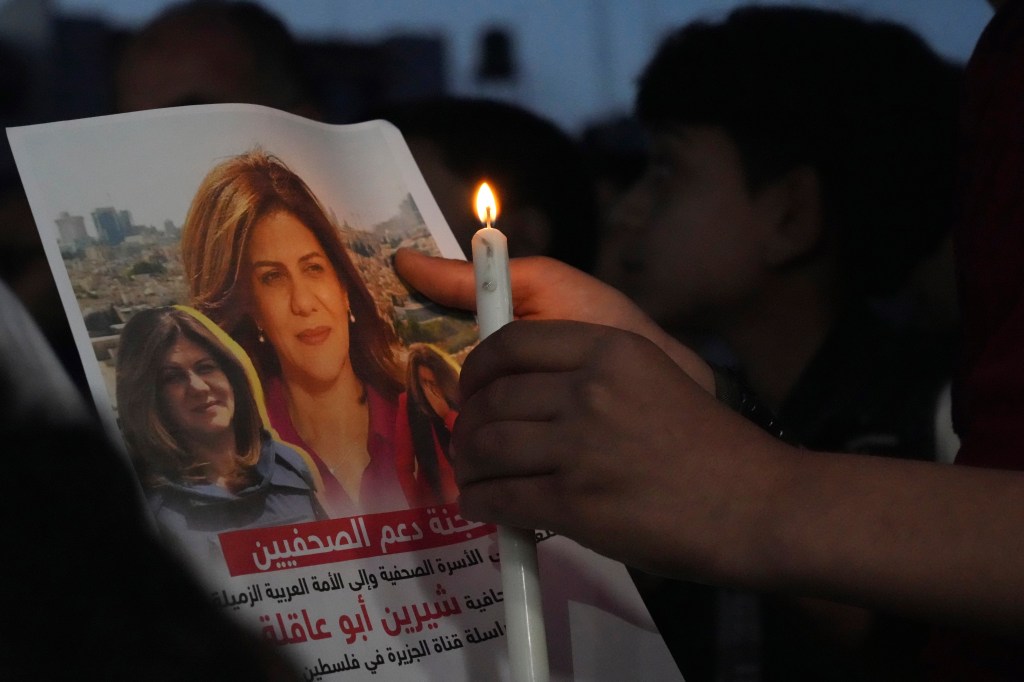
The most well-documented example of this pattern is the targeting of Al Jazeera reporter Anas al-Sharif, who publicly warned his life was in danger after repeated, unsubstantiated smears by Israel. Following years of threats, Al-Sharif was murdered on August 10, 2025, alongside three other Al Jazeera staff journalists and two freelancers targeted along with him in a strike on a tent housing journalists.
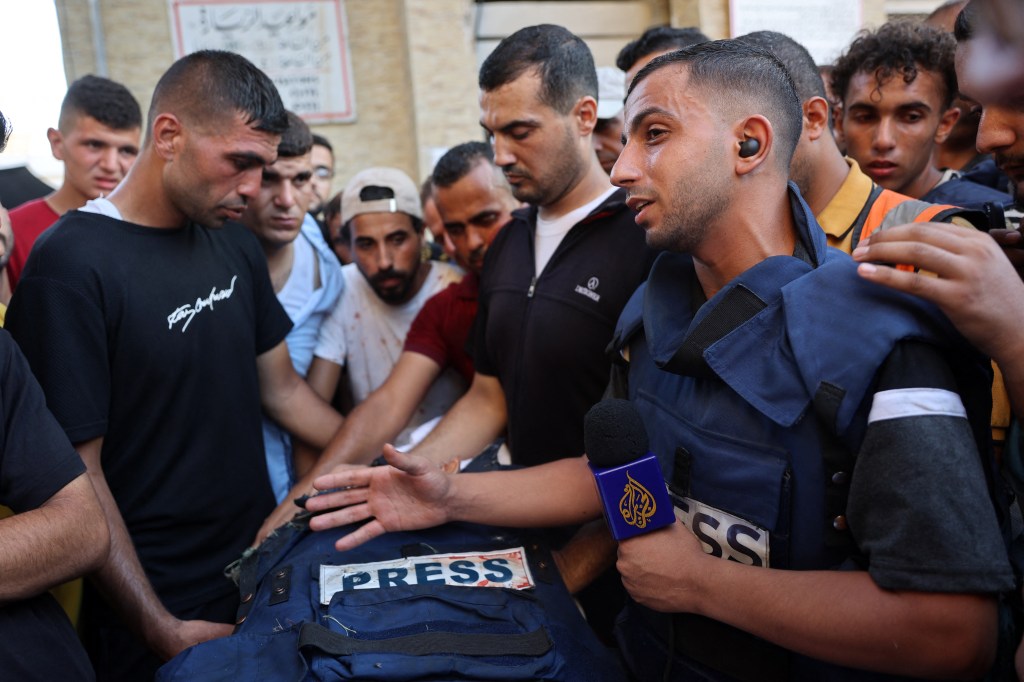
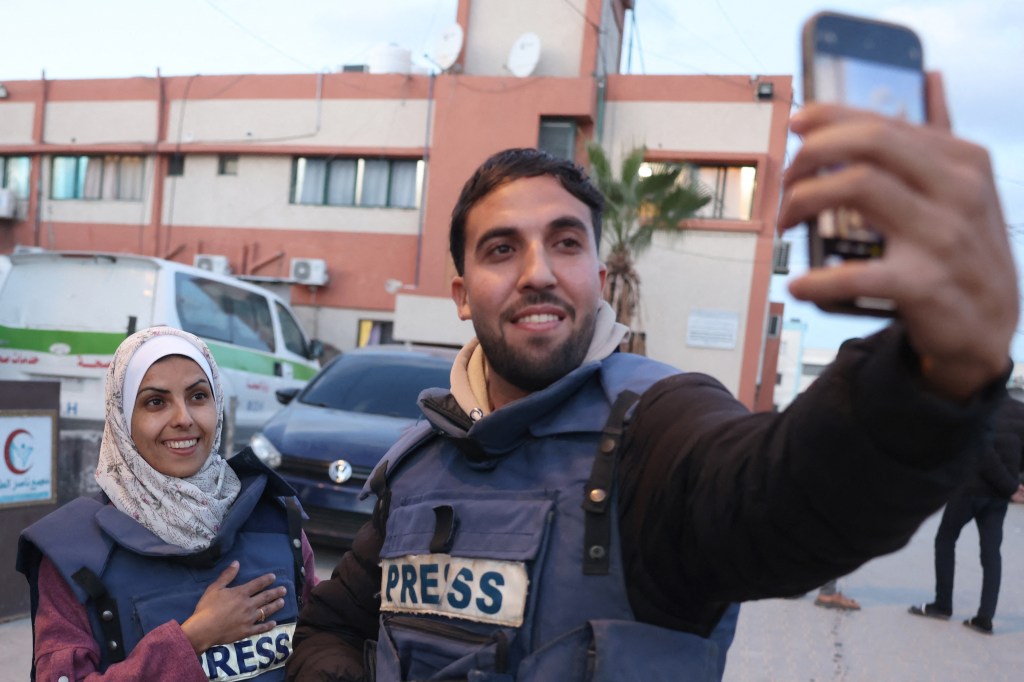
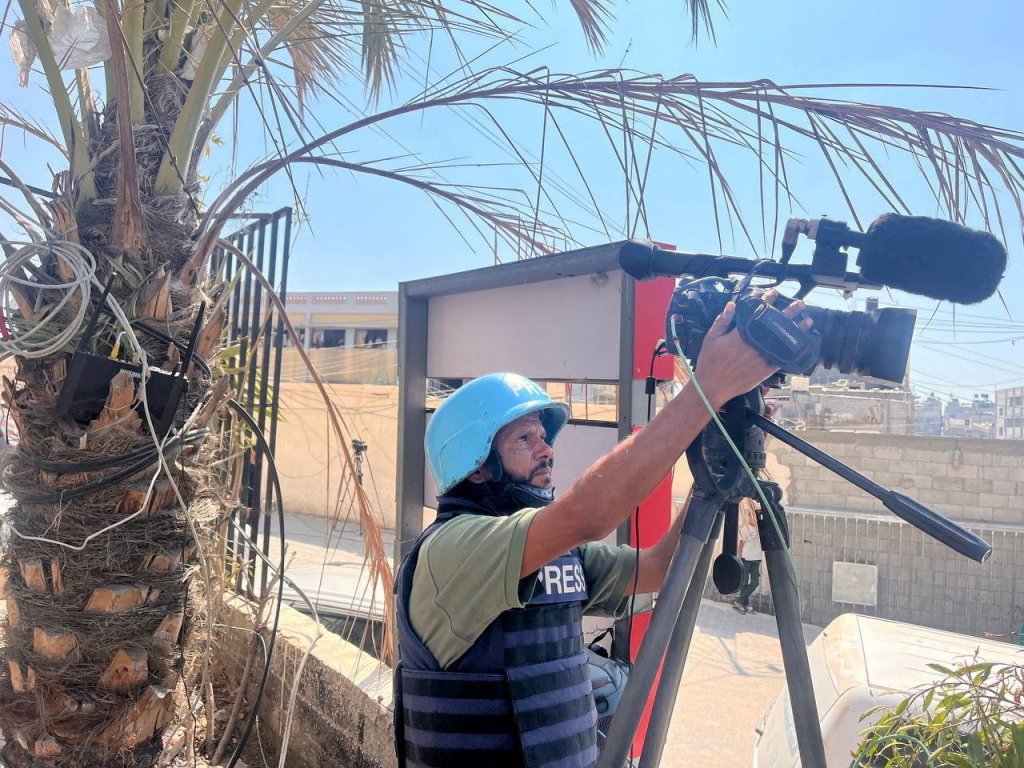
This pattern continued in an Israeli attack on Nasser hospital in Gaza on August 25, where five journalists were among at least 20 killed in a “double-tap” strike, which consisted of multiple Israeli airstrikes. A Reuters investigation showed the target was a journalist’s camera that had been positioned there for months, with the Israeli military’s knowledge, to provide Reuters with a live news feed. Israel claimed to be targeting a Hamas camera set up on a hospital stairwell. Among the five killed were Palestinian freelance photojournalist Mariam Abu Dagga, who contributed to the Associated Press, and Hussam Al-Masri, a Reuters contractor.
In the second ever deadliest attack that CPJ has documented worldwide, Israeli forces carried out multiple airstrikes on two newspaper offices in Yemen, killing 31 journalists and media workers. Israel claimed it struck “military targets,” including the “Houthi Public Relations Department.” During the 12-day war with Iran in June, Israel killed two journalists and a media worker in separate strikes, saying its targets were military sites operating “under the guise of civilian activity.”
Drones: A new tool for journalists’ killers
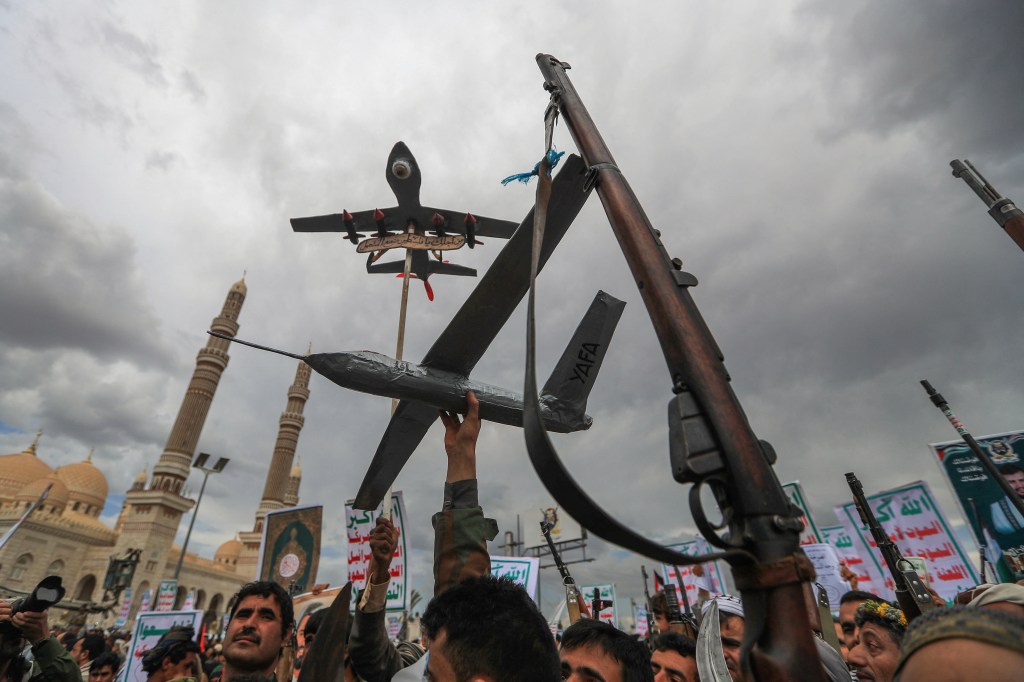
One clear warning sign in the 2025 numbers is the rising number of journalists killed by drones: unmanned aircraft or small flying devices controlled remotely and with the ability to visually identify targets.
Suspected and documented killings of press members spiked from just two in 2023 — the first year CPJ documented such press killings — to 39 in 2025, CPJ data shows. Military drones were confirmed or thought to be behind 33 of those killings.
This echoes a wider global pattern: Drone attacks increased by more than 4,000% from 2020 to 2024, according to the U.S.-based Center for Civilians in Conflict, which cited the increasing use of inexpensive, expendable “small, first-person view drones” to “unlawfully attack civilians and spread terror.”
Of the 39 deaths involving drones that CPJ documented in 2025, 28 were by Israel’s military in Gaza; five by Sudan’s paramilitary Rapid Support Forces (RSF) in Sudan; four by Russia in Ukraine; one by Houthi forces in Yemen; and one by a suspected Turkish strike in Iraq.
In Gaza, a June 5 Israeli drone strike on a courtyard at Al-Ahli Baptist Hospital in central Gaza killed editor Suleiman Hajjaj and camera operator Ismail Baddah of Palestine Today TV. The outlet described the killings as a “double war crime” for the “direct targeting” of its journalists and a hospital, both protected under international law. Ahmad Qalaja, a camera operator with Al-Araby TV, was gravely injured in the attack and died on June 6. Israel’s use of drones to kill civilians in Gaza has been documented since the Israeli offensive Operation Cast Lead in December 2008, according to Human Rights Watch.

Since Russia’s full-scale invasion of Ukraine in 2022, drones have been used by both countries for attacks and surveillance, but in 2025, Russia intensified its drone warfare, using them to repeatedly attack civilians in Ukraine, including journalists. All four journalists killed in Ukraine in 2025 were struck by Russian drones, the first year in which CPJ recorded press members killed by drones in the Russia-Ukraine war, and also the highest number of journalist war deaths since 2022. Short-range drones have become the most dangerous weapon used against civilians in Ukraine, according to the U.N. Human Rights Monitoring Mission in Ukraine.
In Syria and Iraq — particularly in the Kurdish-led autonomous region of northern Syria and Iraq’s semi-autonomous Kurdistan Region — Turkish drones have been used in Ankara’s ongoing campaigns against the Syrian Democratic Forces and the Kurdistan Workers’ Party (PKK). Turkey is responsible for 10% of all the journalists killed by drones in the last three years, as recorded by CPJ, with most of the killings taking place in 2024. Repeated failures — or refusals — to distinguish between journalists, who are civilians, and combatants have led to the killing and injury of multiple media members since 2023.
In Sudan, amid the ongoing conflict between the government and RSF paramilitary forces, at least five Sudanese journalists have been killed by RSF-operated drones in 2025. In March of that year, three journalists were struck and killed in a single drone attack. “The RSF have the capability to clearly identify their targets and carry out precision strikes using drones,” Brian Castner, head of crisis research at Amnesty International, told CPJ.
In Yemen, Houthi rebels have significantly expanded their drone capabilities, deploying them both within Yemen and across borders, including for targeted attacks on political and military figures — with deadly consequences for journalists. In April 2025, a Houthi drone strike killed three government soldiers, along with Yemeni journalist and filmmaker Musab al-Hattami, while also injuring his brother, photographer Suhaib al-Hattami, as they were filming near the frontline of clashes between Houthi forces and troops loyal to Yemen’s internationally recognized government.
Danger from criminal gangs, corrupt politics, and authoritarian states
Journalists are not only in danger when reporting on wars. Journalists were killed in Bangladesh, Colombia, Guatemala, Honduras, India, Mexico, Nepal, Peru, the Philippines, Pakistan, and Saudi Arabia, reflecting a pattern that prevails in countries where the rule of law is weak, criminal factions have free rein, and political leaders exercise unchecked power.
In some of these countries, these killings have become commonplace. At least one journalist has been killed in Mexico and India every year for the past 10 years, and at least one journalist has been killed in Bangladesh and Colombia — as well as by Israel — every year for the past five years.
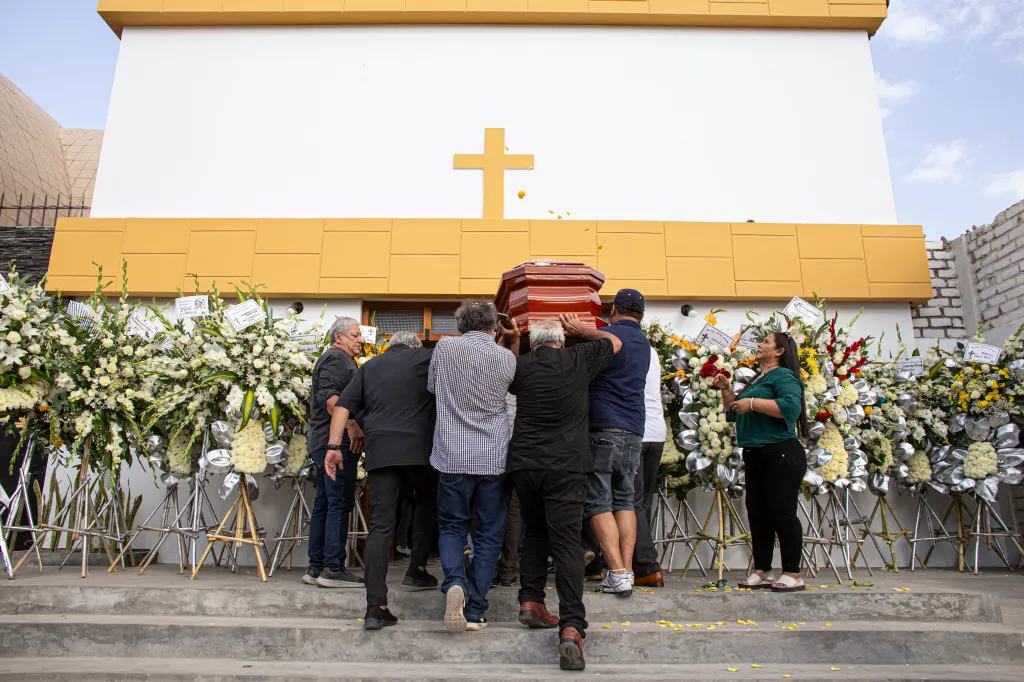
In Mexico, at least six journalists were killed in 2025, up from five in 2024, and two in 2023. All six are unsolved, continuing a longstanding pattern of journalists’ killers going undiscovered and unprosecuted due to powerful criminal influence over police and political activity, and widespread corruption. A federal protection mechanism introduced to address the persistently high level of journalist killings has proven largely ineffective: Despite being under federal protection since 2014 because of threats relating to his journalism, Calletano de Jesús Guerrero, the deputy editor of an online outlet reporting on crime in Mexico state, was shot and killed in January 2025. His killers have not been identified.
In the Philippines, which also has a long history of violence against journalists, three journalists were shot dead in 2025, including veteran publisher Juan Dayang. Only one case has resulted in an arrest.
Many journalists have been brutally targeted for their reporting on corruption and organized crime: Bangladeshi reporter Asaduzzaman Tuhin was chased and hacked to death by armed assailants in a killing orchestrated by a fraud ring, according to police. Bangla-language daily Protidiner Kagoj, for which Tuhin worked, reported that the attack occurred after he filmed several armed men assaulting a man in a public dispute. In India, the mutilated body of freelance journalist Mukesh Chandrakar was discovered in a septic tank weeks after news channel NDTV aired Chandrakar’s investigation into alleged corruption in a 1.2 billion rupee (US$12 million) road project. In Peru, Gastón Medina was shot dead after an assailant on a motorcycle fired 11 shots at him as the journalist chatted with a friend outside his home. Medina’s last TV news broadcast before his death criticized local authorities for buying defective garbage trucks, detailed cost overruns for a new sports arena, and questioned a police chief’s behavior.
Political unrest also poses a growing danger to journalists. Although most violence against journalists covering protests does not result in fatalities, in Nepal, Suresh Rajak, a senior video journalist and head of the camera division at news channel Avenues Television, died in a fire while covering a violent pro-monarchy protest in Kathmandu.
Authoritarian regimes also continue to punish journalists with death, although such executions are rare. Prominent columnist Turki al-Jasser was executed by Saudi Arabia following seven years in detention. Al-Jasser had been convicted on charges of treason, foreign collaboration, financing terrorism, and endangering national security and unity: the kinds of spurious national security and financial crime allegations increasingly being used by governments across the world to punish reporters. Saudi Arabia’s last documented killing was the government’s murder of journalist Jamal Khashoggi in 2018, for which the reported mastermind — the ruling sovereign — has never been held to account.
Attacks do not stop at journalists
Attacks on the press rarely stop with the media. In many cases, attacking family members or loved ones is a tactic used to silence the press. Iran, for example, has persistently intimidated independent journalists with threats of violence against their families.
“The journalist is no longer the sole target. The family has been transformed into a tool of pressure and collective punishment, violating the core principles of international humanitarian law.”
— Palestinian Journalists’ Syndicate
The Israeli government has deliberately targeted the family members of Palestinian journalists, journalist groups say. In a 2025 report, the Palestinian Journalists’ Syndicate said that the Israeli military had killed more than 700 family members of journalists since the start of the Israel-Gaza war in October 2023. “The journalist is no longer the sole target,” the report said. “The family has been transformed into a tool of pressure and collective punishment, violating the core principles of international humanitarian law.”
Studies show that declines in press freedom, including the closure of independent news outlets, censorship, and physical attacks on the media — including killings — are often the first indicator of democratic decline. Globally, the entrenched failure to hold perpetrators to account continues to erode democracies and embolden the killers of journalists, letting them get away with murder — year after year.
How CPJ documents killings of journalists and media workers
CPJ researchers take extensive steps to confirm information from a minimum of two credible sources for every casualty listed in our database. The first step is to examine each case to determine whether the victim met our definition of a journalist — someone who regularly covered news or commented on public affairs through any medium to report or share fact-based information with an audience — by reviewing examples of their work.
Our next step is to investigate whether the journalist’s death was work-related (classified as “confirmed”), by speaking to as many colleagues, family members, supervisors, and friends as possible to verify the backgrounds and affiliations of those killed and the likely motives for their killings.
Determining these circumstances can sometimes take months or years — especially in war zones — and we routinely update our database when we obtain new information. We have both removed and added journalists to our database in this and prior years when new data has shown those changes were necessary.
Footnote
* CPJ’s database does not include information on media workers who may have been deliberately targeted (“Murder” in CPJ’s classification); however, as of the start of the Israel-Gaza war, we have gathered information on those media workers our research has determined have been deliberately targeted in the war, many of whom were killed alongside journalists whose deaths CPJ has determined were “Murders.” The details of those media workers are listed in our journalist casualties page.
Editor’s notes:
- The chart on drone killings has been updated to clarify that deaths include both journailsts and media workers.
- While the numbers cited were accurate at the time of publication, in keeping with CPJ’s methodology data is updated as new information becomes available. See CPJ’s database for the most current data on killed journalists.
Featured image: A journalist holds the blood-covered camera belonging to Palestinian photojournalist Mariam Abu Dagga, a journalist who freelanced for The Associated Press since the start of the war and who was killed in an Israeli strike on Nasser Hospital in Khan Yunis in the southern Gaza Strip, during her funeral on August 25, 2025. Gaza’s civil defense agency said five journalists, including Abu Dagga, were among at least 20 people killed on the August 25 strike, including five journalists. (Photo: AFP)