
Who knew? Senegalese arrest, prosecution can be swift
Last week, a judge in Senegal convicted a man of assaulting three journalists outside their newspaper’s office in the capital Dakar last month. The attack was not related to journalism, but the quick arrest and prosecution of the perpetrator serves as an instructive contrast between the handling of an ordinary crime and the handling of…
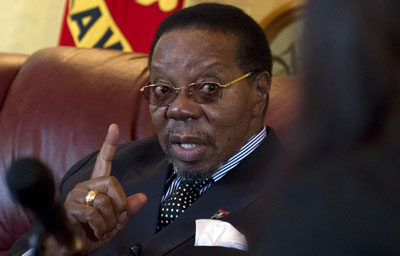
A bad weekend for Malawian journalists
No media outlet critical of President Bingu Wa Mutharika or the ruling Democratic Progressive Party was spared by the government this past weekend — whether print, broadcast, or online. The broadside included a public campaign to discredit the media as well as threats of fines and arrests of critical journalists.
China’s new law sanctions covert detentions
New York, March 14, 2012–China has approved revisions to its criminal code that grants police broad powers to hold journalists and others who discuss sensitive national issues without charge in secret detention for up to six months, according to news reports.
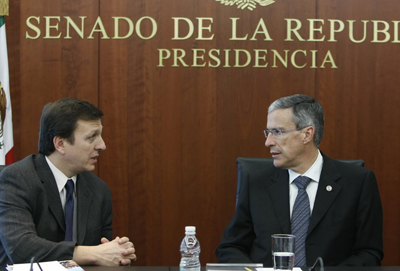
Mexican Senate backs federalizing anti-press crimes
New York, March 13, 2012–The Committee to Protect Journalists hails the Mexican Senate’s landmark approval today of a constitutional amendment that, if passed by a majority of states, would federalize anti-press crimes and transfer investigative powers to national authorities.

Ex-official accused in Philippine journalist murder
New York, March 13, 2012–After reviewing evidence in the 2011 killing of journalist Gerardo Ortega, the Philippine Department of Justice on Tuesday recommended that murder charges be filed against ex-governor Joel Reyes in the local courts, news reports said. In doing so, the department reversed an earlier decision not to pursue charges against Reyes.Although the accused…
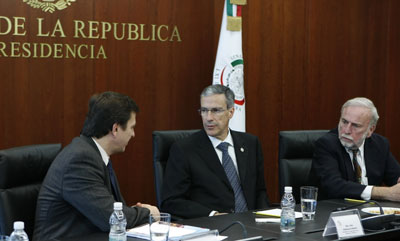
Mexican senators say journalist murders to be federal crime
With near impunity in the murders of journalists a persistent reason for the terror and self-censorship among Mexican news organizations, legislators say the national Senate is on the verge of passing a constitutional amendment that would allow federal authorities to take over cases of crimes against freedom of expression. Passage would mean that the typically…
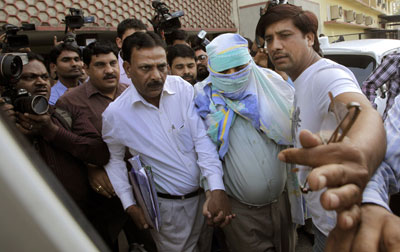
Egyptian journalists accused of ‘insulting armed forces’
New York, March 9, 2012–Egyptian authorities should immediately dismiss a baseless complaint of antistate activities that has been lodged against several journalists, the Committee to Protect Journalists said today. The case has been referred to military prosecutors as part of a broader practice that has raised constitutional and international concerns.
Kuwaiti daily suspended for ‘creating sectarian strife’
New York, March 5, 2012–Kuwaiti authorities must lift their suspension of the privately owned newspaper Al-Dar and drop antistate charges lodged in connection with articles that sought to defend the country’s Shiite minority, the Committee to Protect Journalists said today.