Wary about Burma? So are others
Amid the rush to see changes in Burma as an inexorable move toward full democracy–Aung San Suu Kyi’s electoral victory over the weekend is certainly cause for hope–CPJ has maintained a healthy skepticism about media reform in Burma. Shawn Crispin’s “In Burma, press freedom remains an illusion,” posted on Friday, is the most recent example…
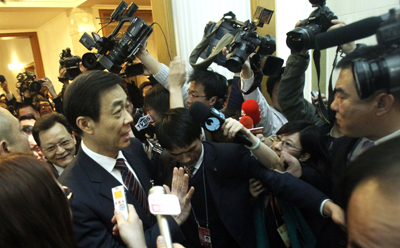
Chinese journalist, a Bo Xilai critic, reportedly jailed
New York, March 30, 2012–Authorities in Chongqing must clarify the status of a journalist who reports say was secretly sentenced to prison in 2010 for criticizing a government official in a personal blog, the Committee to Protect Journalists said today. CPJ has not been able to independently confirm the journalist’s jail sentence or his whereabouts.
Iraqi cybercrime bill is the worst kind
After the rash of political revolutions and criminal attacks on governments and companies last year, it wasn’t hard to predict that 2012 would be the year of a cybercrime crackdown. The United States is considering its own cybercrime legislation, and the European Union is seeking to harmonize its member state’s computer crime laws. Governments understandably…
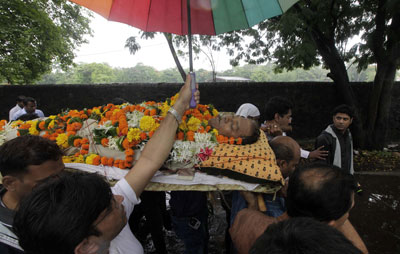
Mumbai police, media have failed Jyotirmoy Dey
New Delhi-based Tehelka weekly news magazine has published a scathing indictment of the police investigation into the 2011 killing of Mumbai crime reporter Jyotirmoy Dey–and of the Indian media’s coverage of it. Beneath the allegations and the rumors, we still don’t know exactly why he was killed, while the self-confessed mastermind is a fugitive from…
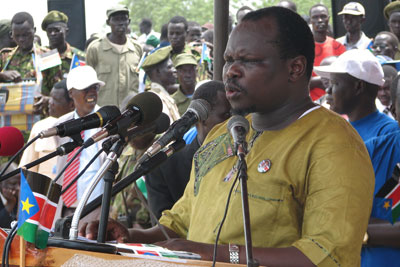
Corruption a no-go zone for South Sudan’s journalists
Last week, South Sudan’s ruling party secretary-general, Pagan Amum, won an important court battle, absolving him of allegations that he received a $30 million corrupt payment in 2006. The accusations came from former Finance Minister Arthur Akuien Chol, who alleged earlier this year that he had received orders from “above” to transfer the public money,…
Venezuelan court ruling limits coverage of water quality
New York, March 26, 2012–The decision by a Venezuelan court to forbid the press from reporting on issues of water contamination without using a government-approved report is a clear attempt by authorities to censor critical information, the Committee to Protect Journalists said today.
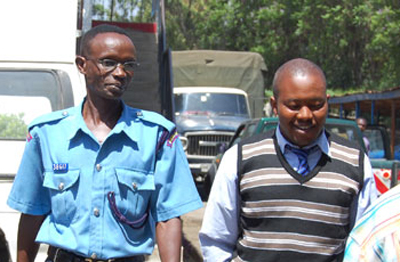
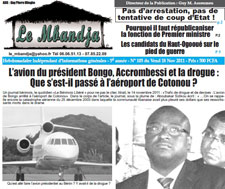
Gabon journalists summoned over critical articles
New York, March 20, 2012–The Committee to Protect Journalists calls on Gabon’s authorities to drop legal proceedings against six journalists in connection with articles raising questions about use of a presidential plane. Two of the journalists have fled the country fearing arrest after being summoned by police for interrogation.
Kuwaiti court hands journalist jail term, suspends daily
New York, March 20, 2012–A Kuwait appellate court should overturn a March 12 ruling that suspended a private newspaper for three months and sentenced its editor to a six-month prison term for articles defending the country’s Shiite minority, the Committee to Protect Journalists said today.