World Cup 2026
The 2026 FIFA Men’s World Cup spans events across Canada, Mexico and the United States. FIFA has distributed around 16,000 media accreditations for the games, and many more local journalists will cover related events.
The Committee to Protect Journalists (CPJ) is working to ensure that all journalists — accredited or not — can report on the world’s premier sporting event freely and safely.
Journalists have faced harassment, detention, threats and violence while covering major sporting events. Amid intensifying immigration and customs enforcement operations in the U.S., where most matches are hosted, CPJ urges all journalists to take precautions while covering the games. In Mexico, violence against local journalists is the most concerning. In Canada, there have been cases of journalists stopped at the border and, very rarely, arrests of reporters covering protests.
CPJ has long advocated for the rights of journalists covering sports and is a partner in the Sport & Rights Alliance, which works to embed human rights and anti-corruption standards across world sport.
CPJ has compiled safety resources to help journalists minimize risks and protect themselves against potential threats while covering the World Cup.
Safety resources are also available in Español and Français.
Traveling to the US
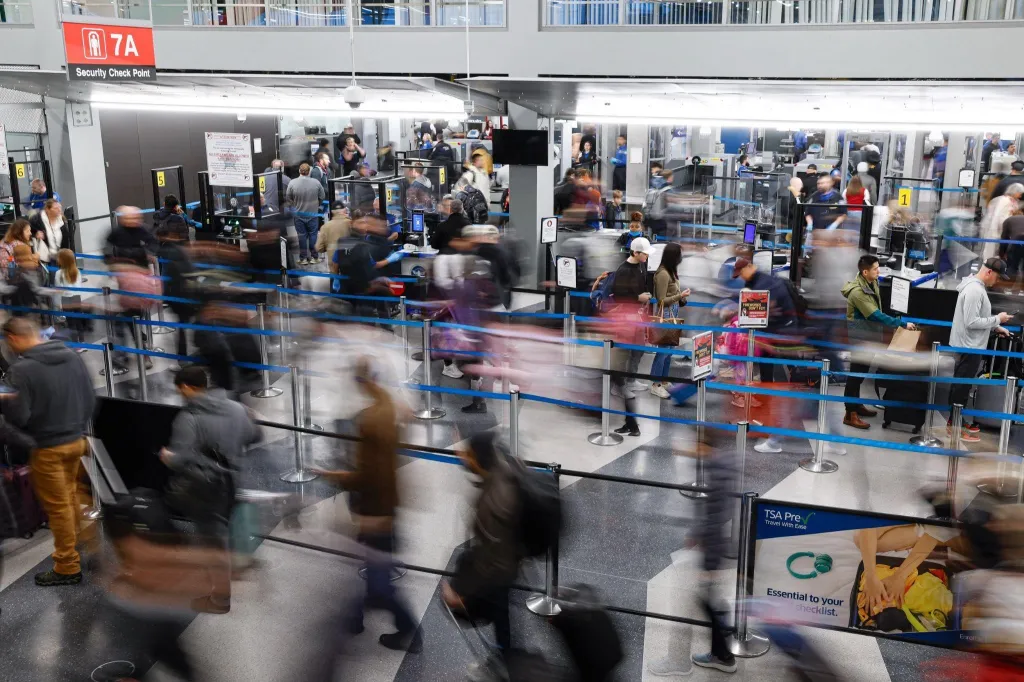
The majority of World Cup matches will be held in the U.S. where journalists have recently been scrutinized at the border and — in some cases — deported.
Journalists traveling to the U.S. to cover the World Cup may experience prolonged questioning and device searches at the border.
Follow CPJ’s guidance for proactive steps journalists can take to assess their risk and secure their devices.
Preparing to report
Journalists covering the 2026 World Cup should research the environment prior to assignment and prepare for risks they may face during travel, on the ground, and online.
Journalists traveling to the U.S. to cover the World Cup may face increased vetting at the border, including travel and entry restrictions. Press on assignment covering crowded events, including protests and fan events, should prepare in advance for potential escalation or violence. Non-citizen and citizen journalists should be aware of their legal rights in the country they are reporting in and make emergency plans in case of arrest or detention.
In Mexico, journalists covering stories of corruption or human rights around the World Cup may face harassment, threats, or physical violence. In-person and online attacks of journalists covering the World Cup may be especially acute for those of marginalized genders.
Covering crowd events
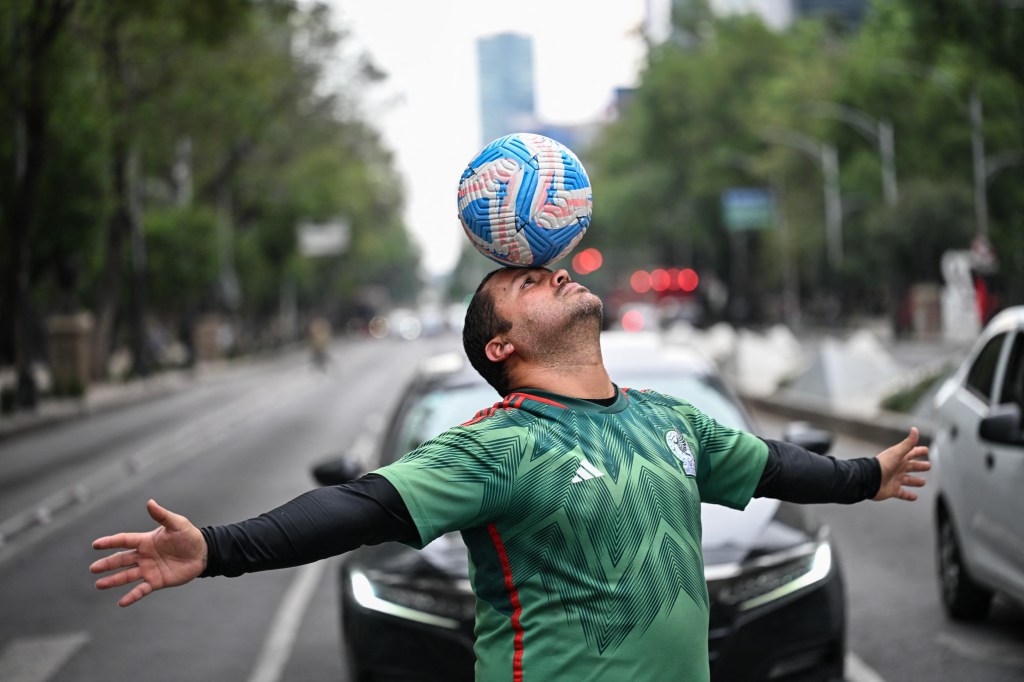
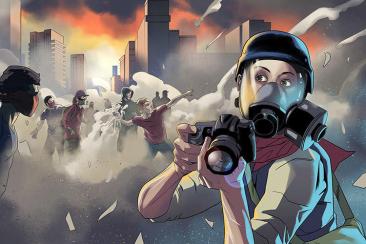
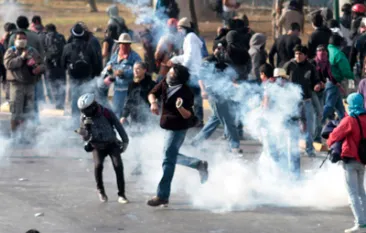
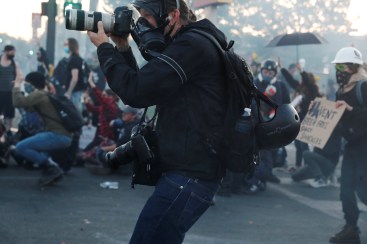
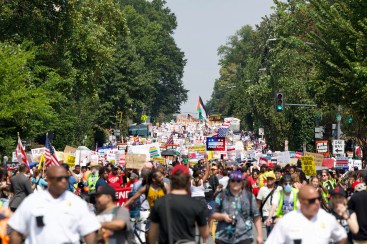
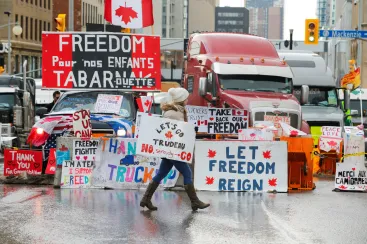
Journalists on assignment at World Cup venues, protests, and other crowd events may encounter crowd violence and police aggression, including violent dispersal tactics, detention, or arrest.
Journalists should prepare in advance by researching the location, establishing check-in and escalation procedures, and making sure they have the necessary equipment. On site, journalists can take steps to maintain situational awareness in a crowd, observe for signs of escalation, and plan exit routes. Journalists should also take pre-emptive steps to secure their devices to protect sensitive information in case they are stolen or seized.
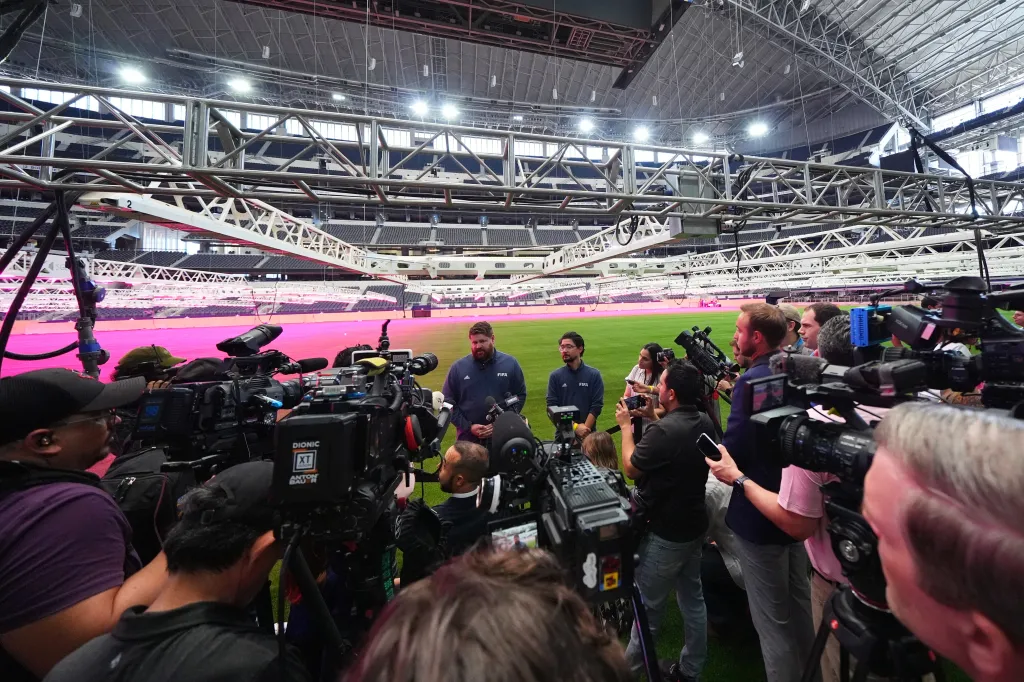
What you need to know if you are going to cover the 2026 World Cup inside or outside the pitch
CPJ offered recommendations for journalists preparing to cover the 2026 FIFA World Cup during a June 4 webinar hosted by NAHJ‘s palabra. José Zamora, CPJ’s regional director for the Americas, outlined key considerations for managing physical, digital, legal, and immigration-related risks, and Tamoa Calzadilla, palabra’s managing editor and publisher, moderated.
Know your legal rights
It is important that journalists covering the World Cup know their legal rights and take steps to prepare in case of possible arrest or detention.
This is especially important for non-citizen journalists covering the World Cup in the U.S., who may be targeted by U.S. immigration authorities. International journalists traveling to the U.S. have previously been denied entry at the border and had visas revoked. Non-citizen journalists working in the U.S. have also been arrested, detained, and deported.
Journalists traveling internationally to cover the World Cup should research their rights at the border and identify legal contacts in advance of travel. International and local journalists reporting on the ground at events and protests should prepare for potential interactions with law enforcement.
Get help
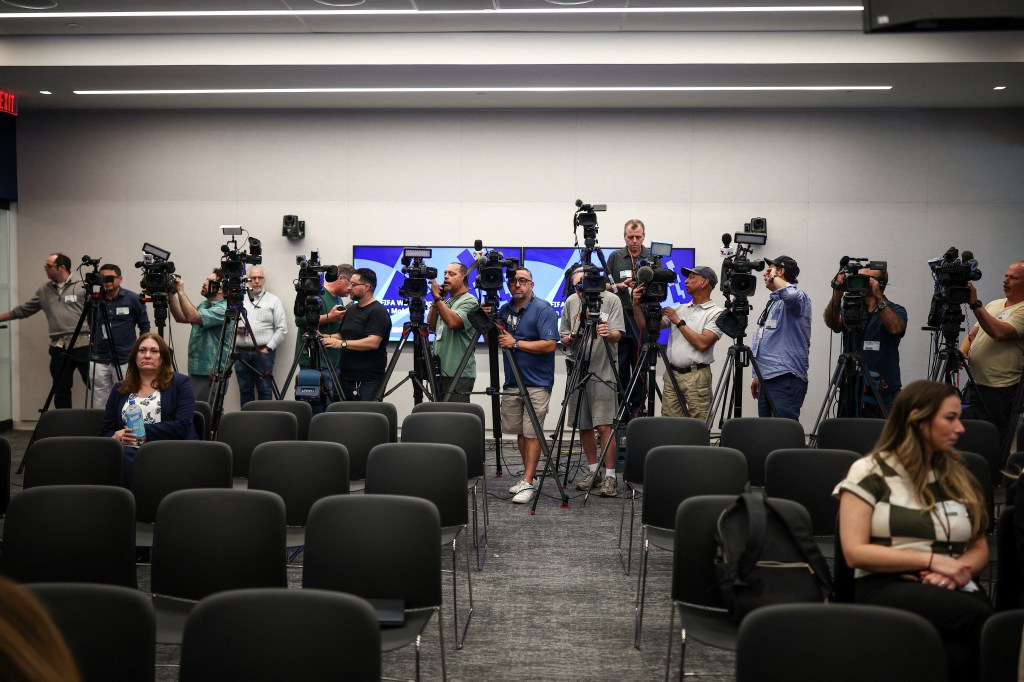
Journalists can report a human rights concern to FIFA using the FIFA Reporting Portal or by emailing [email protected].
CPJ provides individual safety advice, emergency financial and non-financial assistance, and group safety training. To request safety advice or assistance, please email us at [email protected].
To access safety information, journalists can text CPJ’s safety chatbot on WhatsApp by messaging “hello” to +1-206-590-6191 and selecting from a menu of safety topics.
US Journalist Assistance Network
The U.S. Journalist Assistance Network is a coalition of U.S.-based press freedom organizations specializing in digital safety, physical safety, psychosocial safety, and legal rights, working together to help journalists prepare and stay safe on the job.
The U.S. Journalist Assistance Network organizations offer:
- Individual digital, physical, and psychosocial safety advice
- Training for groups of journalists and newsrooms on legal rights, digital safety and security, physical safety, and psychosocial safety
- Emergency financial assistance, including for psychological support, PPE, equipment, legal fees, and medical fees
- Legal hotline offering 24/7 free legal support
- Resources on legal rights, digital safety and security, physical safety, and psychosocial safety
Additional resources
Digital
- Reporting on the World Cup? Avoid penalties and defend your devices | Freedom of the Press Foundation
- Preparing devices for travel through a US border | Freedom of the Press Foundation
- Digital privacy at the U.S. border: Protecting the data on your devices | Electronic Frontier Foundation
- What to do if you’ve been doxed or placed on a watchlist | PEN America
Physical
- A guide to PPE (Personal Protective Equipment) | Committee to Protect Journalists
- 2026 Protest PPE guide | International Women’s Media Foundation
Legal
- What to know about travel to the US during the World Cup | National Immigration Project
- Know your rights: Immigrants’ rights | American Civil Liberties Union
- Know your rights: What to do if you are arrested or detained by immigration | National Immigration Law Center
- Legal strategies for foreign journalists in the US | IJNet
- US entry & safety guide for green card holders, visa holders, and visitors | MEDC
- Police, protesters, and the press | Reporters Committee for Freedom of the Press
CPJ: recursos en español
- Preparación básica: evaluación del riesgo
- Seguridad física: la cobertura de protestas
- Seguridad física y digital: el arresto y la detención
- Guía sobre los derechos legales de los periodistas en Estados Unidos
- Guía sobre los equipos de protección personal (EPP)
Otros recursos
- ¿Qué debes saber sobre viajar a los Estados Unidos para la Copa Mundial? | Proyecto Nacional de Inmigración
- Privacidad digital en la frontera de Estados Unidos: Protección de los datos en sus dispositivos y en la nube | Electronic Frontier Foundation
- Derechos de los inmigrantes | American Civil Liberties Union
- Conozca sus derechos: ¿Qué puede hacer si usted es arrestado o detenido por las autoridades de inmigración? | National Immigration Law Center
CPJ : Ressources en français
- Formulaire d’évaluation des risques
- Sécurité physique : Les troubles civils
- Sécurité physique et numérique : arrestation et détention
Find resources in additional languages.
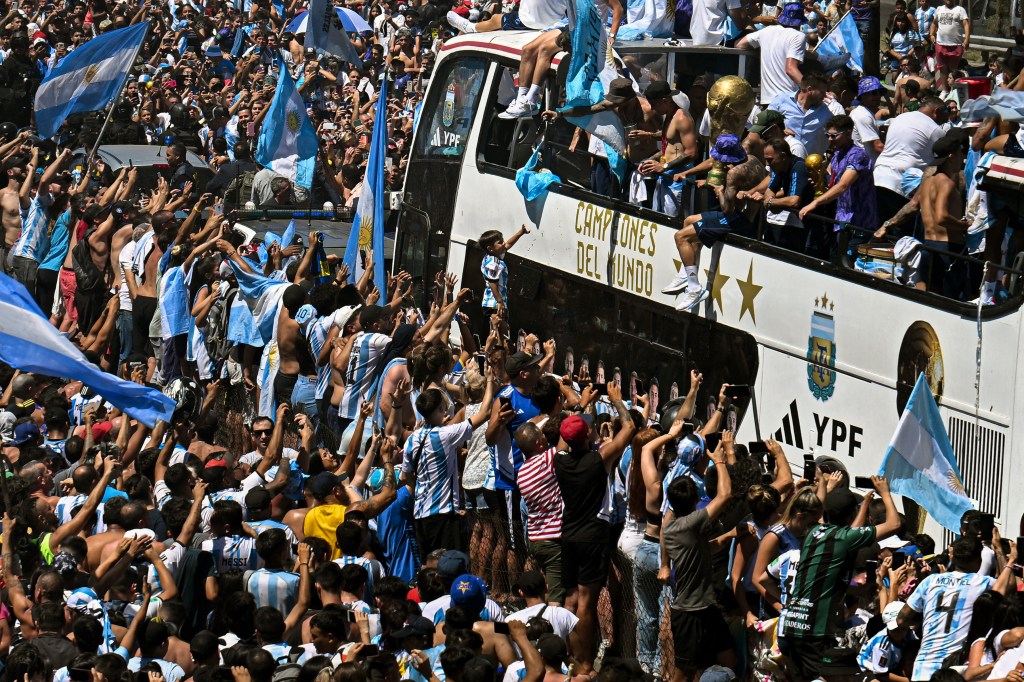
Featured image: Fans of Argentina cheer as the team parades on board a bus after winning the Qatar 2022 World Cup tournament in Buenos Aires, Argentina on December 20, 2022. (Photo: Luis Robayo/AFP)