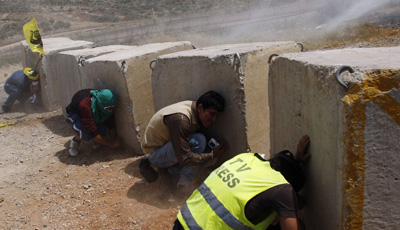
Attacks on the Press in 2011: Evolution in Journalist Security
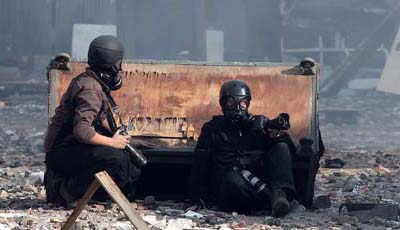
The danger of covering violent street protests has become a significant risk for journalists, alongside combat and targeted killings. Sexual assault, organized crime, and digital vulnerability are also hazards. The security industry is struggling to keep up. By Frank Smyth

Attacks on the Press: Changing Views on Sexual Assault
The much-publicized assault on Lara Logan put the danger of sexual violence for journalists into the spotlight for the first time. As a result, there is more open discussion between reporters and news managers, but still too few preventative steps. By Lauren Wolfe

Attacks on the Press in 2011: In Mexico, Silence or Death Remains the Choice
The Mexican president promised to protect a besieged press corps with a federal protection program, a special prosecutor and new legislation making anti-press violence a federal crime. But Felipe Calderón Hinojosa has failed at nearly every turn. By Mike O’Connor
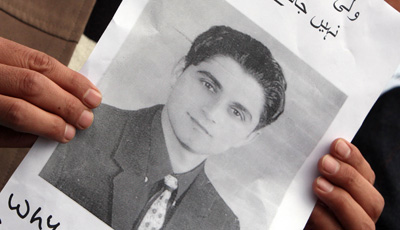
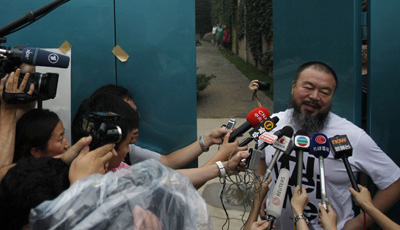
Attacks on the Press: China Holds Fast to Information Control
Internet users posed ever-bigger challenges to Beijing’s media controls, boosting debate on public safety and censorship. But ahead of a 2012 leadership transition, the Chinese Communist Party looks likely to fiercely suppress dissent. By Madeline Earp
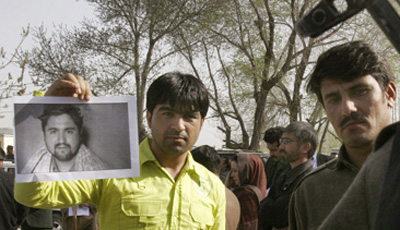
Attacks on the Press: From Uprisings, Trends to Watch
The Middle East’s political shifts changed conditions for journalists dramatically. The emerging trends favor free expression, but are filled with ambiguity and depend on the political configurations to emerge after the revolutionary dust has settled. By Mohamed Abdel Dayem
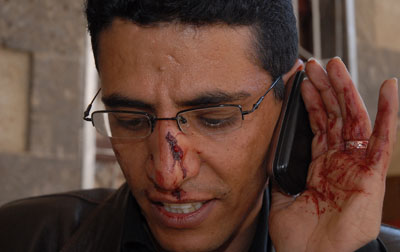
BBC reporter attacked in Yemen three times in past year
New York, February 17, 2012–Yemeni authorities must ensure the safety and protection of journalists covering protests in the country and allow them to carry out their work freely, the Committee to Protect Journalists said today after a BBC Arabic correspondent was attacked for the third time in a year.
In China, journalists attacked while covering land dispute
New York, February 16, 2012–The Committee to Protect Journalists is disturbed by a series of violent attacks on international journalists that appear aimed at suppressing coverage of land-related protests in Panhe, in eastern China’s Zhejiang province.