Exiled: When the most dangerous place for journalists is your country
CPJ to release report on exiled journalists to commemorate World Refugee Day New York, June 11, 2015–The Committee to Protect Journalists will release its annual report on journalists forced into exile on June 17, 2015, to mark World Refugee Day on June 20. The report, headlined “Exiled: When the most dangerous place for journalists is…
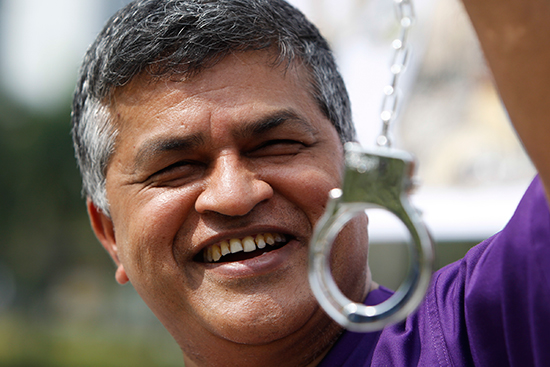
Drawing the line: Cartoonists under threat
On January 7, two gunmen burst into the offices of French satirical magazine Charlie Hebdo, killing eight journalists and bringing into focus the risks cartoonists face. But with the ability of their work to transcend borders and languages, and to simplify complex political situations, the threats faced by cartoonists around the world—who are being imprisoned,…


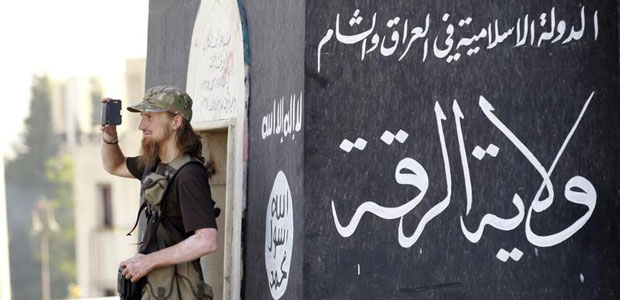
Broadcasting murder: Militants use media for deadly purpose
News of the August 19, 2014, murder of journalist James Foley broke not in the media but instead on Twitter. News organizations faced the agonizing questions of how to report on the killing and what portions of the video to show. If a group or individual commits an act of violence, and then films it,…
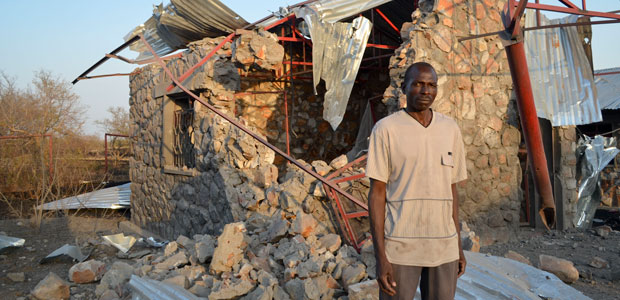
Journalists overcome obstacles through crowdfunding and determination
During South Africa’s Boer War, at the turn of the 20th century, a determined news organization relocated reporters, copy editors, and printing presses to the front line to ensure accurate reporting. In the Warsaw Ghetto, during World War II, a literal underground press, established to counter Nazi propaganda, required the nightly movement of cumbersome printing…
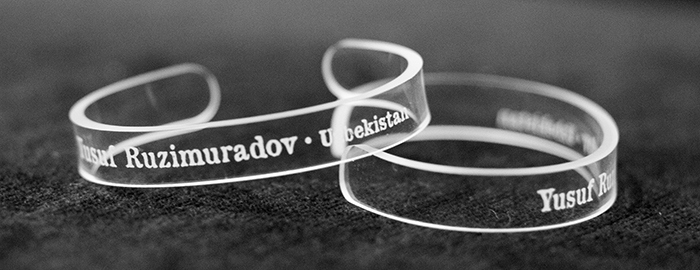
News from the Committee to Protect Journalists, March 2015
Press Uncuffed: Free the Press On March 26, CPJ partnered with students at the University of Maryland’s Philip Merrill College of Journalism and Knight chair and Pulitzer Prize-winning Washington Post reporter Dana Priest to launch the Press Uncuffed: Free the Press campaign at the Newseum in Washington. The campaign aimed to raise awareness about nine…
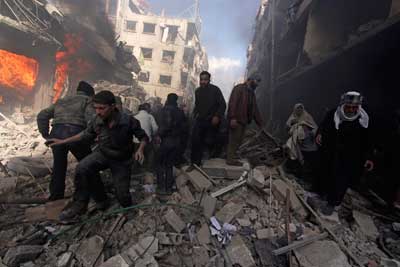
Syria anniversary shows need for more news outlets to step up
It started as a street protest against President Bashar al-Assad. Ordinary citizens took out their smart phones to record the demonstrations that quickly spread. Four years and 220,000 dead later, the Syrian civil war is still raging, although the numbers of ‘citizen’ and professional journalists on hand to document it is woefully small.