
Erdoğan tells media not to cover Kurdish conflict
Prime Minister Recep Tayyip Erdoğan of Turkey is known to lash out publicly at journalists of whose coverage he disapproves. He has called on media owners and editors to discipline reporters and columnists critical of his policies, particularly when it comes to the sensitive Kurdish issue. In more than a few cases, to avoid trouble,…
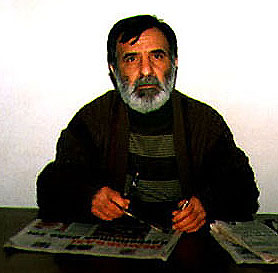
Isik Yurtçu and Turkey’s stubborn lack of press freedom
The Committee to Protect Journalists is saddened by the death of Isik Yurtçu, who died Saturday in Istanbul of cancer at the age of 67. In July of 1997, a bus full of international and Turkish journalists pulled up to the plain iron gate of Sakarya Prison east of Istanbul. Cameras rolling, representatives of CPJ,…
Thorning’s chance to press China for media freedom
Denmark’s Prime Minister Helle Thorning-Schmidt is in China this week to meet with top leaders, according to international news reports. CPJ’s Advocacy and Communications Associate Magnus Ag and Senior Asia Program Researcher Madeline Earp co-wrote an op-ed calling on Thorning–as she is called in the Danish press–to raise the issue of press freedom. An edited…
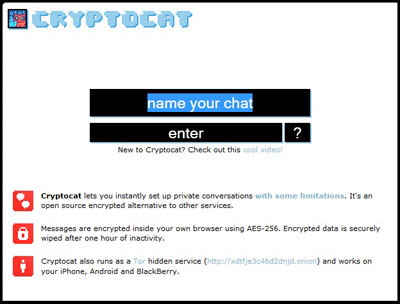
In Cryptocat, lessons for technologists and journalists
Alhamdulillah! Finally, a technologist designed a security tool that everyone could use. A Lebanese-born, Montreal-based computer scientist, college student, and activist named Nadim Kobeissi had developed a cryptography tool, Cryptocat, for the Internet that seemed as easy to use as Facebook Chat but was presumably far more secure.
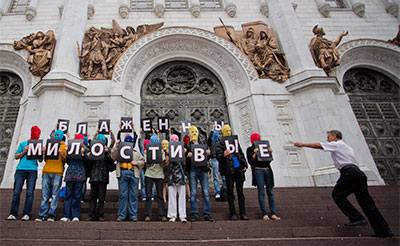
Mission Journal: Putin imposes harsh climate on Russia
Record-high temperatures swept most of Europe this summer, but in Moscow the weather, much like the political climate, was chilly. I spent three months in the capital at the invitation of the Russian Union of Journalists, and witnessed how Vladimir Putin’s third term in office kicked off with the passage of restrictive laws, harassment and…
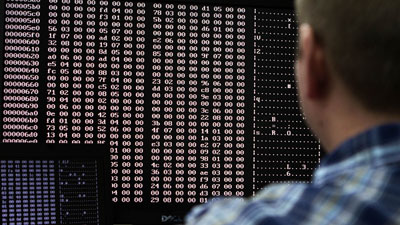
Dear CPJ: Some malware from your ‘friend’
We talk a lot about hacking attacks against individual journalists here, but what typifies an attempt to access a reporter’s computer? Joel Simon, CPJ’s executive director, received an email last week that reflects some characteristics of a malware attack against a journalist or activist. There was nothing particularly notable about the targeting. (Like many reporters,…
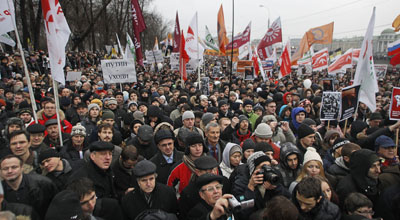
The long shadow of Spanish politics over public media
A recent wave of personnel changes at Spanish state-owned broadcaster Radio Televisión Española (RTVE) has raised concerns about political and ideological influence, with many fearing that journalists closer to the current conservative government are being promoted at the expense of those with alleged progressive views. It is the latest controversy in a long debate about…

As it backs Assange, Ecuador stifles expression at home
The Quito government’s decision to grant Julian Assange political asylum comes at a time when freedom of expression is under siege in Ecuador. President Rafael Correa’s press freedom record is among the very worst in the Americas, and providing asylum to the WikiLeaks founder won’t change the repressive conditions facing Ecuadoran journalists who want to…