
7 exiled Belarusian media sites hit by DDoS attacks
Websites of at least six exiled Belarusian news outlets and one journalists’ association have been targeted since March by distributed denial-of-service (DDoS) attacks, which aim to overwhelm websites with floods of internet traffic. Staff at several of the affected outlets said the increasingly frequent attacks appear to extend a pattern of transnational repression linked to…
Russian independent journalists fear MAX app, new online restrictions will hinder reporting
As Russian authorities tighten the screw on popular messaging app Telegram and promote a state-backed “super app” that observers say could act as a surveillance tool, independent journalists and media outlets inside and outside Russia say it will become more difficult to report stories securely and stay connected to audiences. President Vladimir Putin is pushing…
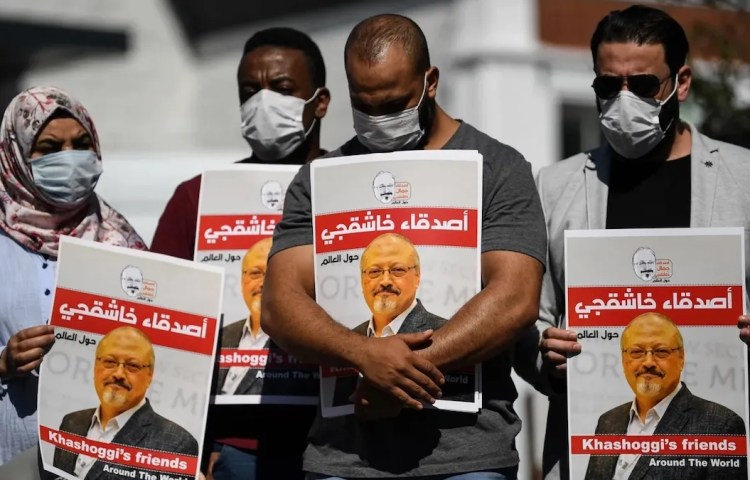
World Refugee Day 2026: Supporting journalists in exile amid transnational repression
World Refugee Day draws attention to journalists who have been forced to flee their home countries due to threats, conflict, or repression. While exile is now recognized as a growing reality for journalists worldwide, the experiences of journalists CPJ supported last year reflect the reality that relocation does not necessarily bring safety. Increasingly, journalists in…

These 6 foreign journalists have been denied entry by Israel
When French journalist Alice Froussard landed at Tel Aviv’s Ben Gurion Airport a week ago, she arrived with a valid travel authorization and plans to report from the occupied West Bank, where she had worked for years. By the next morning, Israeli authorities placed her on a flight back to Paris, denying her entry. She…
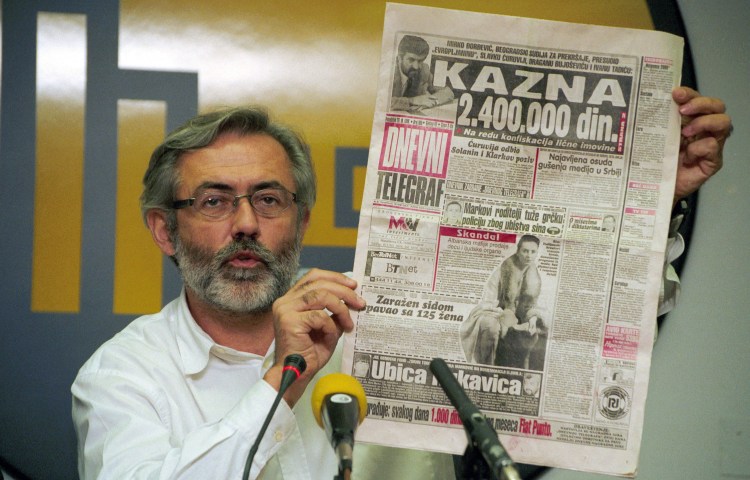
Daughter of murdered Serbian journalist Slavko Ćuruvija on her 27-year fight for justice
On April 11, 1999, Slavko Ćuruvija, the owner of Serbia’s first private daily newspaper, Dnevni Telegraf, was assassinated outside his home in the capital, Belgrade. After a decades-long pursuit of accountability, the case reached a turning point in February 2024 when the Belgrade Court of Appeal issued a final, non-appealable acquittal for four former Slobodan Milošević-era state…
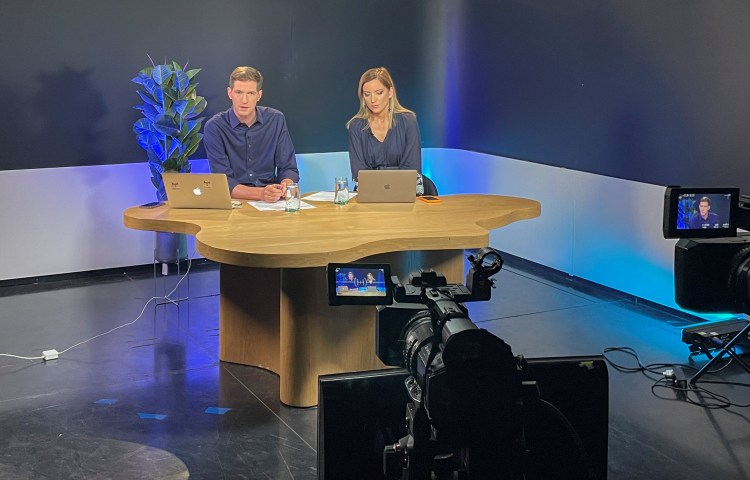
Russia’s repression record
Since Russia’s full-scale invasion of Ukraine in 2022, its media has experienced an unprecedented crackdown. Hundreds of journalists have been forced into exile, where they continue to face transnational legal persecution, and their families have been harassed back home. Meanwhile, reporting from inside Russia has become increasingly difficult, with journalists and media outlets often silenced…
Moldovan media caught between democracy and Russian interference
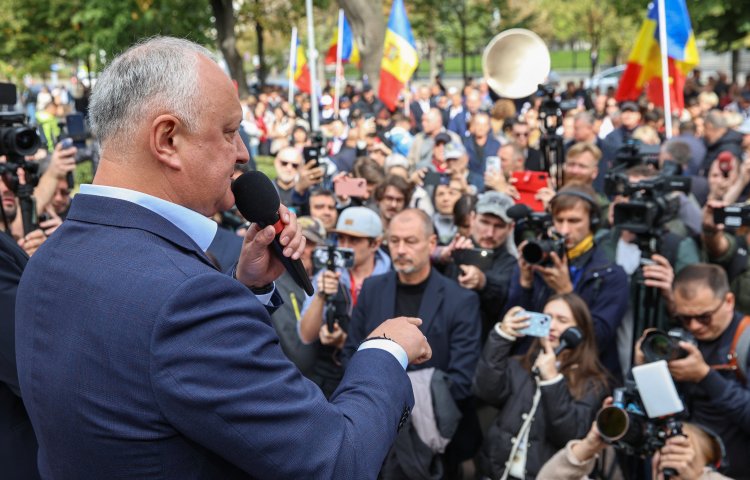
The building that houses Moldova’s oldest investigative newspaper, Ziarul de Gardă, founded in 2004, is in a small courtyard near one of the busy thoroughfares in central Chișinău, the capital. Alina Radu, the award-winning newspaper’s director, is busy checking the latest issue that just came out in print. Ziarul de Gardă’s current burning topic has…
‘Life goes on without you’: Q&A with Ukrainian journalist Vladyslav Yesypenko
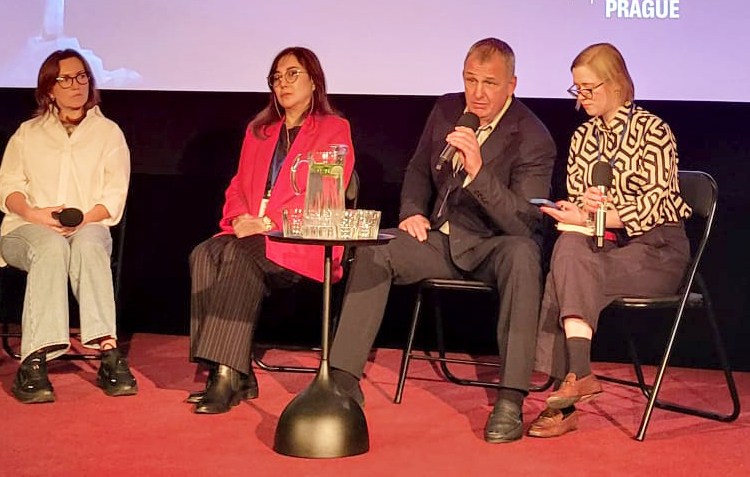
Captured by Russian security services and sentenced on false charges, Ukrainian journalist Vladyslav Yesypenko spent over four years in a Russian prison, enduring torture while trying to maintain his sanity and physical strength. Yesypenko, who covered Ukraine’s Russian-occupied Crimea for the U.S. Congress-funded Radio Free Europe/Radio Liberty (RFE/RL), was released in June. He was first detained by Russian authorities…
‘It has become extremely difficult for us’: Uncertain future for RFE/RL’s Kazakh service
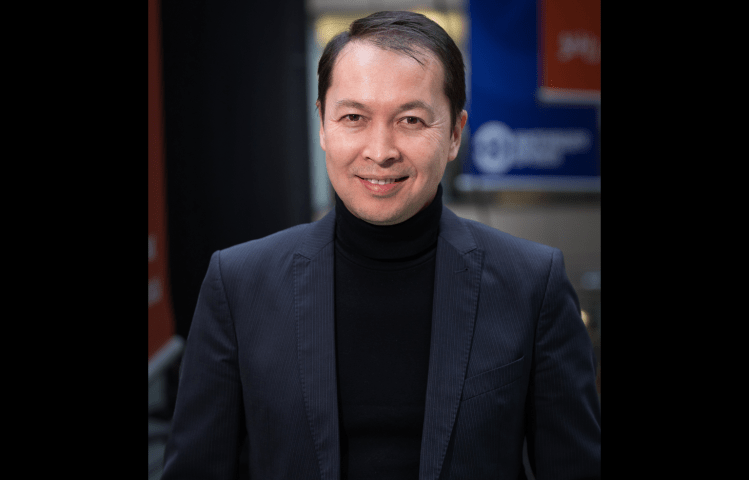
Radio Azattyq director Torokul Doorov says it is “very difficult” for journalists not to become activists in the face of “unfairness and injustice” in Kazakhstan. “You just want to start screaming,” says Doorov, who joined the Kazakh arm of Radio Free Europe/Radio Liberty in 2014, and the outlet grew to be one of Kazakhstan’s most influential…

Georgia media face fewer ‘ways to survive’ amid foreign funding crackdown
A punishing spate of laws targeting foreign-funded media will dramatically curb Georgia’s independent voices and force many news outlets to shutter or shift their business operations, say Georgian journalists and press freedom advocates. Georgia’s populist ruling Georgian Dream party has pushed through its new Foreign Agents Registration Act (FARA)—called an “exact copy” of the U.S. Foreign Agents Registration Act— granting…