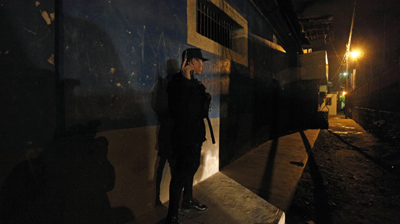
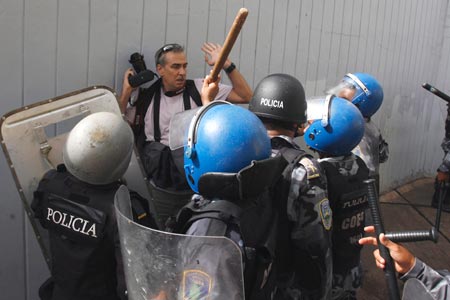
In Honduras, a wave of deadly violence against media
New York, March 29, 2010—The Committee to Protect Journalists urges Honduran authorities to fully investigate last week’s murders of two journalists, part of a month-long wave of lethal violence that has resulted in the slayings of five reporters over all and led to widespread self-censorship in the local media.
At least 5 Ugandan journalists wounded covering protest
New York, March 19, 2010—At least five journalists were wounded while covering violent clashes between security personnel and protesters outside the capital, Kampala, on Wednesday. Scores of protestors and mourners came to Kasubi, a Kampala suburb, after a fire of unknown origin destroyed the historically significant royal tombs of the Buganda kingdom on Tuesday.
Chinese official urges political education for journalists
New York, March 11, 2010—A state official responsible for media regulation said Wednesday the government should require Chinese journalists to obtain official training to report the news, according to local and international news reports. Domestic journalists already need government-issued identity cards to work in China.
Drug-related violence endangers media in Reynosa
New York, March 11, 2010—The Committee to Protect Journalists is alarmed by a wave of drug-related violence in the Mexican city of Reynosa, near the Texas border, which is endangering the news media and causing widespread self-censorship. In the past two weeks, several journalists have been abducted and one reporter has died in unclear circumstances,…

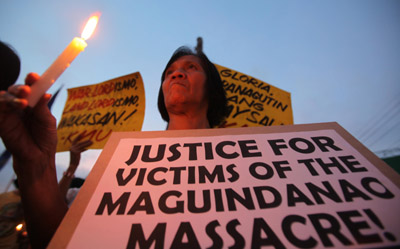
Citizen journalist helped report Philippine massacre
“The e-mail came in at 8.48 p.m.,” Philippine journalist Maria Ressa told a hushed audience at CPJ’s panel discussion, Press Freedom: On the Frontlines and Online, this morning at the Foreign Correspondents Club of Japan in Tokyo. She was describing how the first photo from the November massacre in Maguindanao province reached the mainstream Philippine…
Attacks on the Press 2009
A Worldwide Survey by the Committee to Protect Journalists Table of Contents Preface by Fareed Zakaria Introduction by Joel Simon Journalists Killed Journalists in Prison Regional Analyses AFRICA: In African hot spots, journalists forced into exile AMERICAS: In the Americas, Big Brother is watching reporters ASIA: As fighting surges, so does danger to press EUROPE…

As fighting surges, so does danger to press
By Bob Dietz As the United States redeploys forces to Afghanistan, and the Pakistani military moves into the country’s tribal areas, the media face enormous challenges in covering a multifaceted conflict straddling two volatile countries. Pakistani reporters cannot move freely in areas controlled by militants. International reporters in Afghanistan, at risk from kidnappers and suicide…