India state assembly elections 2021: Journalist safety guide
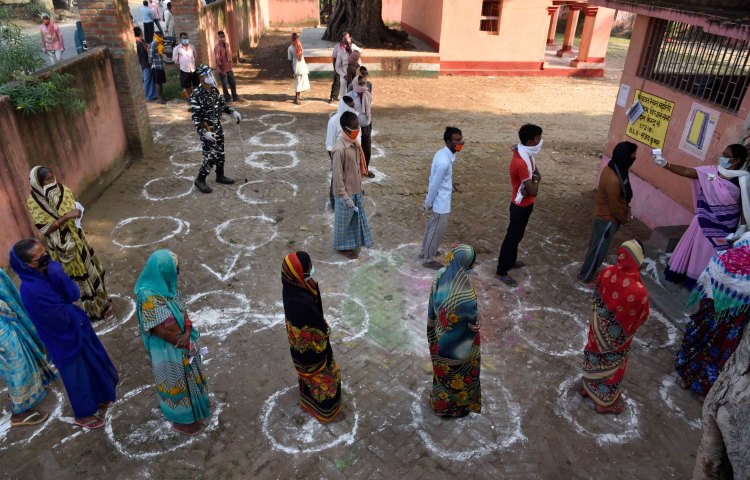
India is scheduled to hold legislative assembly elections in the states of Assam, Kerala, Tamil Nadu, West Bengal, and Puducherry in March, April, and May 2021. Media workers covering any of these elections should be aware of the potential risk of physical attack, intimidation, and harassment; online bullying; COVID-19 exposure; arrest and detention; and government…
Physical and Digital Safety: Arrest and detention
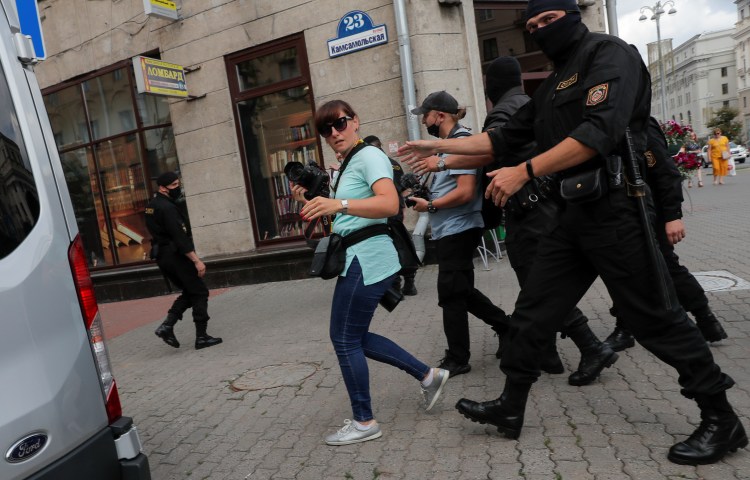
Covering certain stories–such as human rights abuses, corruption, or civil unrest–can place you at a higher risk of arrest and detention, particularly in countries with authoritarian regimes or with a heavy militarized and police presence. When confronted by the authorities it is generally prudent to comply with their commands, even if they are not lawful,…
CPJ Safety Advisory: Covering the build-up to the U.S. presidential inauguration
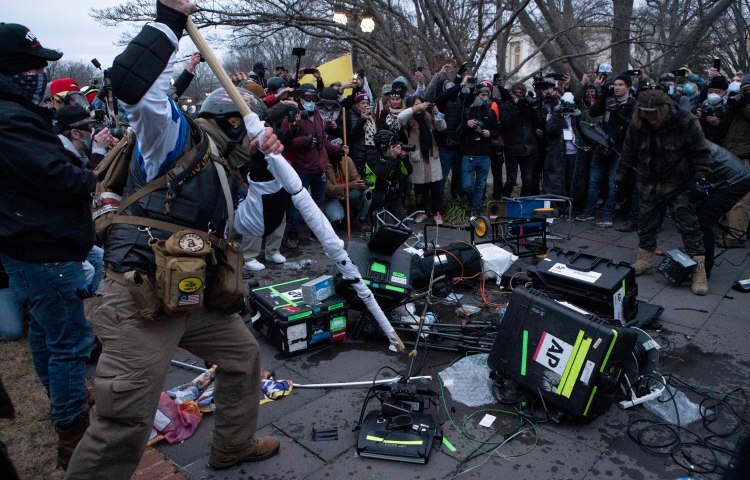
Tensions remain high in the U.S. in the build-up to President-elect Joe Biden’s inauguration on January 20, 2021. Following the violent takeover of the U.S. Capitol in Washington, D.C., on January 6, which resulted in the death of five individuals and numerous media workers being threatened and attacked, as documented by CPJ, the Federal Bureau…
CPJ Safety Advisory: Covering Uganda’s elections
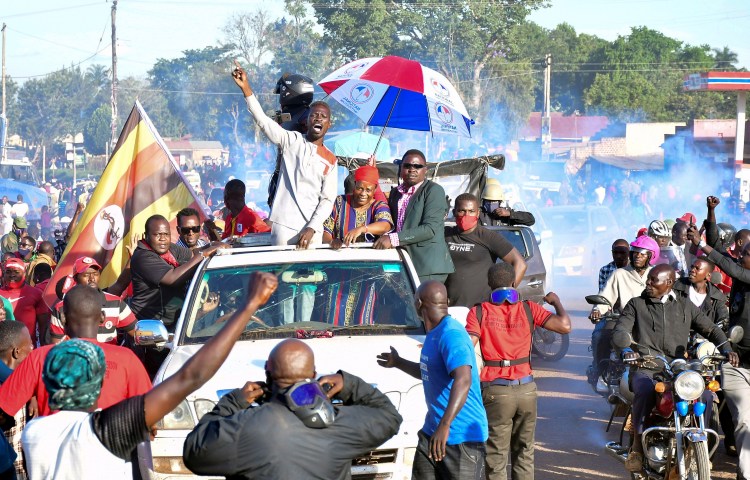
On January 14, 2021, incumbent Ugandan President Yoweri Museveni will seek a sixth term, amid challenges from opposition candidates Robert Kyagulanyi, also known as Bobi Wine, and Patrick Oboi Amuriat, according to multiple news reports. During the general election campaign, security personnel have arrested both candidates and violently dispersed political rallies and protests, according to…
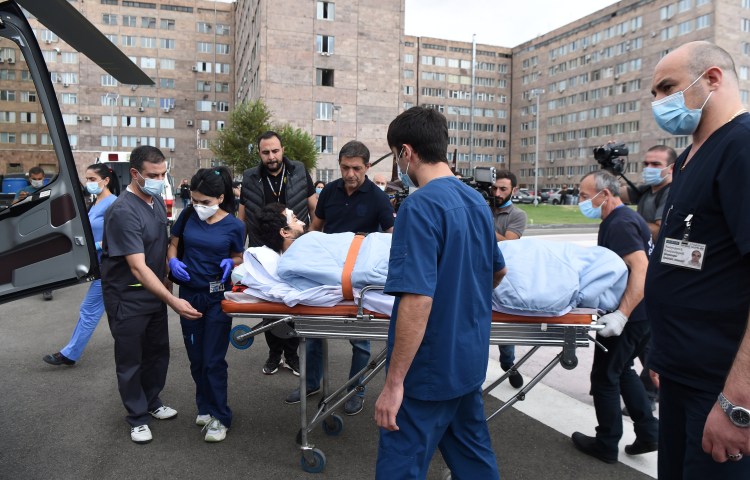
CPJ Safety Advisory: Covering the conflict in Nagorno-Karabakh
Updated October 9, 2020 Hostilities erupted once again on September 27, 2020, between the forces of Azerbaijan and Armenia in the autonomous region of Nagorno-Karabakh. As of October 9, over 300 people had been killed, according to news reports. Major population centers such as Stepanakert, the region’s capital, and Ganja, Azerbaijan’s second-largest city, have been…
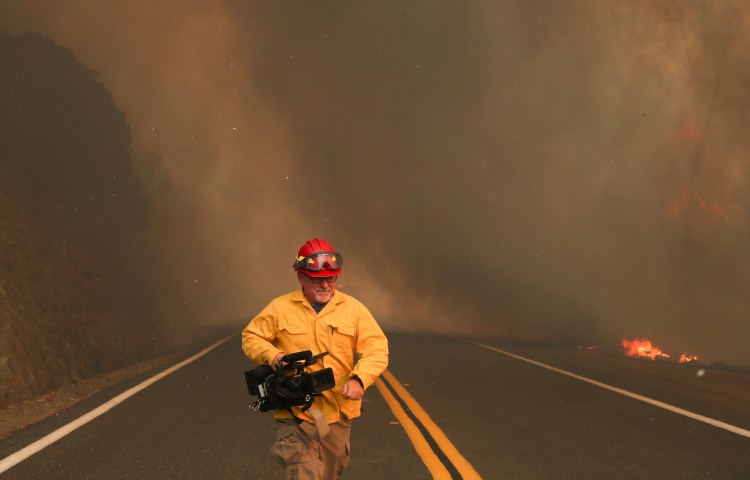
Physical Safety: Covering wildfires
Wildfires are becoming more frequent across the world and increasing in both severity and extent, according to Science Brief, a website that reviews peer-reviewed scientific studies on various topics, including climate change. Media workers covering any wildfire should be aware of the dynamic nature of such a disaster, and how a rapidly evolving situation on…
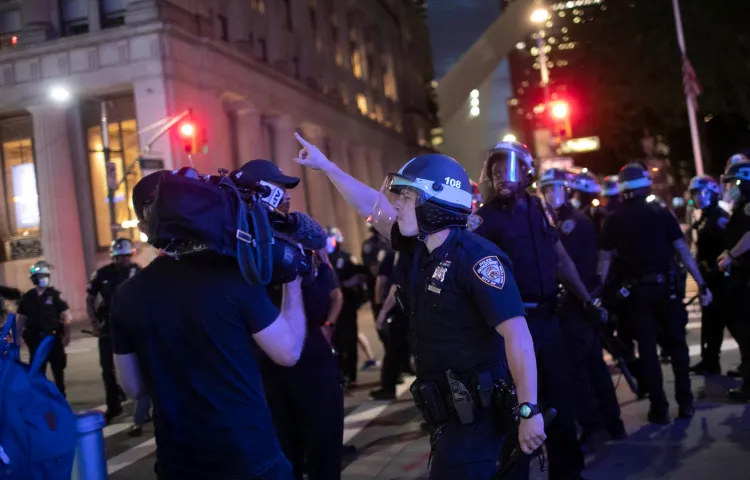
Guide to legal rights in the U.S.
The following advice and recommendations are intended to give the reader a high-level understanding of the rights of a journalist when confronted by law enforcement officers while covering a protest or other political event. Given that these incidents often quickly escalate and that some – both protestors and police – do not always conform to legal…
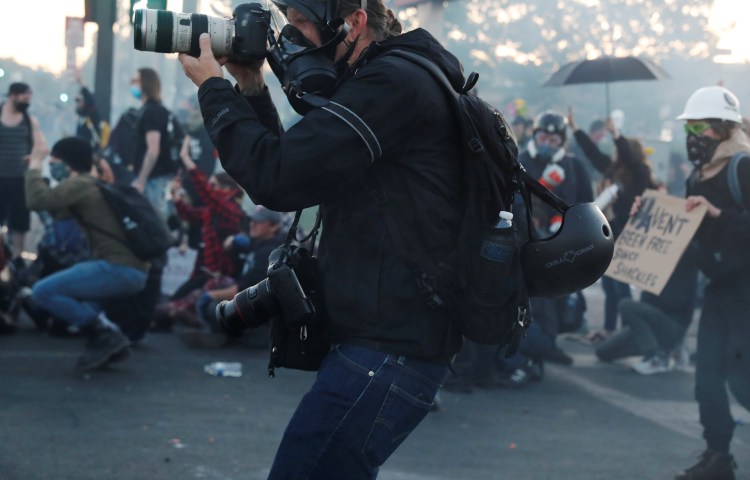
Editors’ Checklist: Preparing for U.S. protest assignments
Updated June 8, 2020 The following checklist enables commissioners and editors to understand how well prepared journalists and other media workers are as they cover U.S. protests over police violence. For additional safety information, please see CPJ’s Safety Advisory for covering U.S. protests over police violence. Select your staff after considering: As part of your…
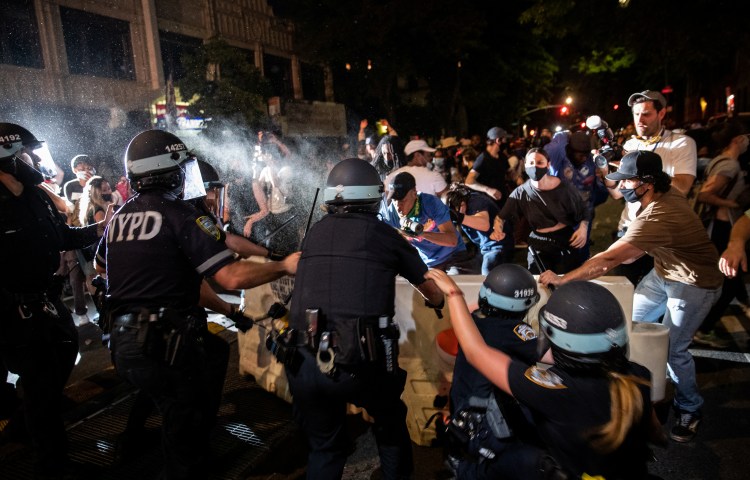
CPJ Safety Advisory: Covering U.S. protests over police violence
Updated August 26, 2020 There have been hundreds of reported incidents of violence and harassment, as well as arrests, targeting journalists covering ongoing Black Lives Matter protests across the U.S. sparked by the death on May 25, 2020—in police custody—of George Floyd, an unarmed Black man in Minneapolis, Minnesota. These incidents have been documented by CPJ…
Digital Safety: Protecting against targeted online attacks
Journalists reporting on misinformation, conspiracy theories, and/or false news are frequently left vulnerable to online attacks by those who originate or support these views, as well as by people with strong political leanings. People supporting the spread of this type of information online may organize coordinated attacks with the aim of forcing journalists offline and…