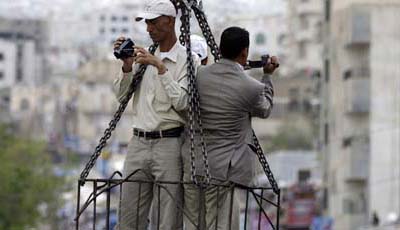
Attacks on the Press in 2011: Preface
Technology has democratized news publishing, rattling regimes that see their survival dependent on control of information. Video footage of repression from Burma to Syria to Egypt dramatically illustrates the benefits of Internet platforms and social media. Yet the Arab uprisings of 2011 also demonstrate the urgent need for providers and users of digital tools to…
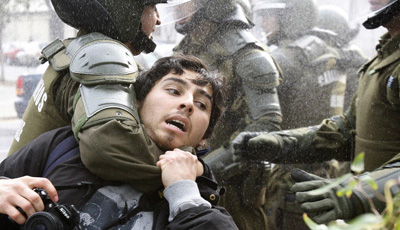
Attacks on the Press in 2011: Abolishing Censorship
Even as trade and new systems of communication turn us into global citizens, the information we need to ensure accountability often stops at national borders. New platforms like social media are valuable tools, but the battle against censorship is hardly over. By Joel Simon
Attacks on the Press in 2011: Regulating the Internet
Legislation for Internet security can quickly turn into a weapon against the free press. Cybercrime laws are intended to extend existing penal codes to the online world, but they can easily be broadened to criminalize standard journalistic practices. By Danny O’Brien
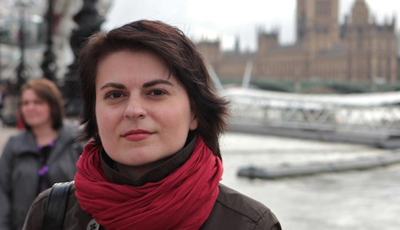
Attacks on the Press in 2011: Profiles in Freedom
How does one negotiate the choice to stay and report potentially dangerous news, rather than take a less risky assignment, leave the profession, or flee the country? The recipients of the 2011 International Press Freedom Awards explain. By Kristin Jones
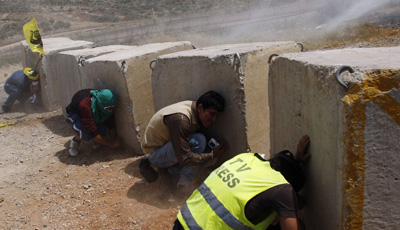
Attacks on the Press in 2011: Evolution in Journalist Security
The danger of covering violent street protests has become a significant risk for journalists, alongside combat and targeted killings. Sexual assault, organized crime, and digital vulnerability are also hazards. The security industry is struggling to keep up. By Frank Smyth
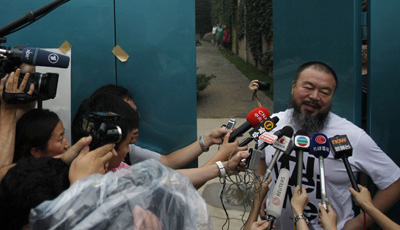
Attacks on the Press: China Holds Fast to Information Control
Internet users posed ever-bigger challenges to Beijing’s media controls, boosting debate on public safety and censorship. But ahead of a 2012 leadership transition, the Chinese Communist Party looks likely to fiercely suppress dissent. By Madeline Earp
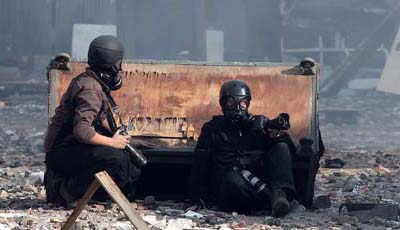
Attacks on the Press: From Uprisings, Trends to Watch
The Middle East’s political shifts changed conditions for journalists dramatically. The emerging trends favor free expression, but are filled with ambiguity and depend on the political configurations to emerge after the revolutionary dust has settled. By Mohamed Abdel Dayem
Attacks on the Press in 2011: Iran’s Vast Diaspora
Journalists who have fled Iran to avoid prison face a tense and lengthy process toward resettlement, an uncertain financial and professional future, and most of all, fear that the Iranian government will catch up with them. By María Salazar-Ferro and Sheryl A. Mendez >> فارسي