Kuwaiti daily suspended for ‘creating sectarian strife’
New York, March 5, 2012–Kuwaiti authorities must lift their suspension of the privately owned newspaper Al-Dar and drop antistate charges lodged in connection with articles that sought to defend the country’s Shiite minority, the Committee to Protect Journalists said today.
CPJ Impact
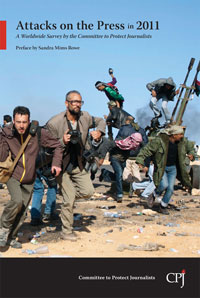
News from the Committee to Protect Journalists, February 2012 ‘Attacks on the Press’ launched Repressive governments, militants, and criminal groups across the globe are leveraging new and traditional tactics to control information and obscure misdeeds, silence dissent, and disempower citizens, according to Attacks on the Press, CPJ’s yearly survey released on February 21, available here.…
Risk and reporting
Last night at London’s Frontline Club, CPJ launched its global survey of press freedom conditions, Attacks on the Press. The topic of discussion was the safety of journalists covering conflict and the panel consisted of journalist and documentarian Jenny Kleeman, ITN safety guru Colin Pereira, and journalist and filmmaker Maziar Bahari, who was imprisoned in…
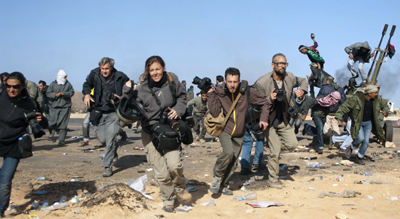
Attacks on the Press in 2011
Trade and the Internet are turning us into global citizens, but the news we need to ensure accountability is often stopped at national borders. China is ramping up censorship, Iran is jailing dozens of journalists, and Turkey is using nationalist laws to stifle critical reporting. In Mexico criminals are dictating the news, while in Pakistan…
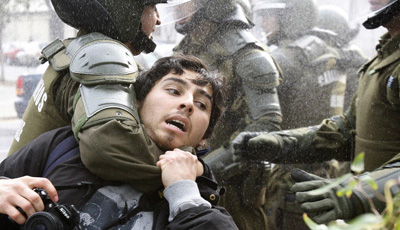
Attacks on the Press in 2011: Abolishing Censorship
Even as trade and new systems of communication turn us into global citizens, the information we need to ensure accountability often stops at national borders. New platforms like social media are valuable tools, but the battle against censorship is hardly over. By Joel Simon

Attacks on the Press in 2011: Regulating the Internet
Legislation for Internet security can quickly turn into a weapon against the free press. Cybercrime laws are intended to extend existing penal codes to the online world, but they can easily be broadened to criminalize standard journalistic practices. By Danny O’Brien
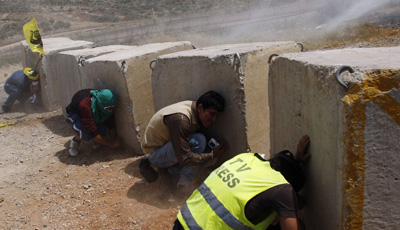
Attacks on the Press in 2011: Evolution in Journalist Security
The danger of covering violent street protests has become a significant risk for journalists, alongside combat and targeted killings. Sexual assault, organized crime, and digital vulnerability are also hazards. The security industry is struggling to keep up. By Frank Smyth