Organized Crime and Corruption
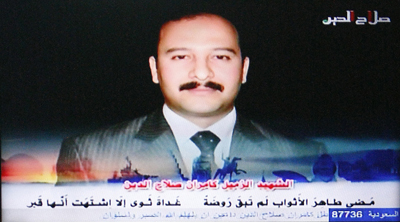
Crime and corruption are extremely dangerous beats, CPJ research shows. Thirty-five percent of journalists killed worldwide since 1992 covered these two topics. The lines between political and criminal groups are blurred in many nations, raising the risk for reporters. From Mexico to Iraq, criminal groups are operating increasingly like armed political forces, and armed political…
Sustained Risks
Many of the risks described in this guide are specific to a particular assignment. But critical journalists working in repressive or hostile environments often face routine harassment and constant threat. Consider the groups most responsible for murdering journalists in recent decades worldwide. Anti-government groups, including terrorists, are responsible for nearly one-third of all journalist murders,…
Fourth Somali journalist killed since year began
New York, April 5, 2012–Somali authorities must immediately investigate the murder of a radio journalist who worked for the country’s leading independent broadcaster and ensure the perpetrators are brought to justice. Mahad Salad Adan was the fourth journalist killed in Somalia since the beginning of the year.

Blogger fights terror charges as Ethiopian leader praised
Last week in the Ethiopian capital, Addis Ababa, while Prime Minister Meles Zenawi was making a speech about Africa’s growth potential at an African Union forum, a journalist who his administration has locked away since September on bogus terrorism charges was presenting his defense before a judge. Eskinder Nega has been one of the most…
In Azerbaijan, crackdown on press as contest nears
Dear President Aliyev: The Committee to Protect Journalists is deeply disturbed by the recent wave of journalist imprisonments in Azerbaijan. With at least six journalists currently behind bars, Azerbaijan is now among the top 10 global jailers of the press, ahead of Uzbekistan and just behind Ethiopia, according to CPJ research. This crackdown comes in the run-up to Eurovision, the international song contest that Baku is hosting in May, which will gather journalists from more than 40 participating countries and fix the world’s eyes on Azerbaijan.
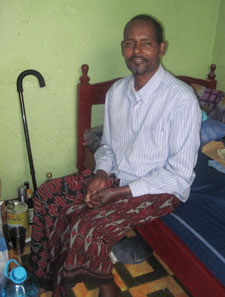
Exiled Somali journalist Hassan Mohamed dies in Nairobi
Veteran Somali radio journalist Hassan Mohamed, 45, died early yesterday morning in Eastleigh, a Nairobi suburb. He had fled Mogadishu in 2010, having been threatened, kidnapped, and shot twice. One of hundreds of Somali refugees in Kenya, many of them journalists, Hassan struggled to support himself and survive worsening diabetes-related ailments, despite relentless support from…
Kuwaiti court hands journalist jail term, suspends daily
New York, March 20, 2012–A Kuwait appellate court should overturn a March 12 ruling that suspended a private newspaper for three months and sentenced its editor to a six-month prison term for articles defending the country’s Shiite minority, the Committee to Protect Journalists said today.

Four years on, wife calls for Tibetan filmmaker’s release
Lhamo Tso has not spoken to her husband Dhondup Wangchen since March 17, 2008. She, their four children, and his elderly parents live in India, and hear of him only when his sister visits the Xichuan Prison in Qinghai province, western China, where he is serving six years. Through glass, he passes on the news:…
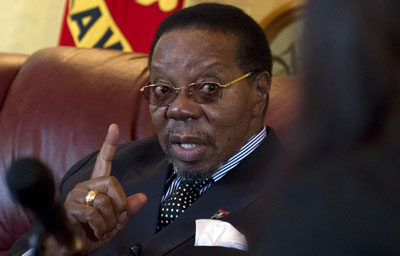
A bad weekend for Malawian journalists
No media outlet critical of President Bingu Wa Mutharika or the ruling Democratic Progressive Party was spared by the government this past weekend — whether print, broadcast, or online. The broadside included a public campaign to discredit the media as well as threats of fines and arrests of critical journalists.