Attacks on the Press in 2011: Burma
Burma’s news media remained among the most restricted in the world, despite the transition from military to civilian rule and President Thein Sein’s vow to adopt a more liberal approach. The Press Scrutiny and Registration Department reviewed all local news journals prior to publication, censoring a vast array of topics. Criticism of the government and…
Attacks on the Press in 2011: Afghanistan
As NATO and Afghan military forces faced off with militant groups, the news media worked in a hostile and uncertain environment. Two journalists were killed for their work, both during major insurgent attacks. Accusations of widespread fraud marred the second post-Taliban parliamentary elections, which were resolved only by a presidential decree that ousted several apparent…
Attacks on the Press in 2011: Yemen
A besieged government and its supporters retaliated fiercely against journalists covering the months of popular protests that sought an end to President Ali Abdullah Saleh’s rule. Authorities detained local journalists, expelled international reporters, and confiscated newspapers in an effort to silence coverage, while government supporters and plainclothes agents assaulted media workers in the field. Two…
Attacks on the Press in 2011: Syria
The regime enforced an effective media blackout in March, banning international journalists from reporting or entering the country and detaining local journalists who tried to cover protests seeking an end to Bashar al-Assad’s rule. In a widespread campaign to silence media coverage, the government detained and assaulted journalists, expelled foreign journalists, and disabled mobile phones,…
Attacks on the Press in 2011: Libya
Journalists worked in extraordinarily dangerous conditions during the eight-month uprising that ended 42 years of rule by Muammar Qaddafi and led to his death. Five journalists were killed amid fierce fighting between rebels and loyalists. Qaddafi’s regime unleashed a widespread campaign to silence foreign and local journalists, detaining dozens in abusive conditions. In February, Qaddafi…
Attacks on the Press in 2011: Israel and the Occupied Palestinian Territory
Hamas forces in Gaza cracked down on journalists covering March demonstrations that called for Palestinian unity. Local journalists were attacked, media bureaus raided, and journalistic material confiscated. In April, three photographers were assaulted in the West Bank while covering skirmishes between Palestinians and Israeli settlers in a village south of Nablus. In May, an Israeli soldier shot…
Attacks on the Press in 2011: United Kingdom
The News of the World phone-hacking scandal and subsequent public inquiry raised concerns that public interest journalism could suffer from efforts to curtail unethical practices through regulation. While investigating related police leaks, Scotland Yard invoked the Official Secrets Act to pressure a journalist to reveal sources for her coverage of the scandal. Authorities ultimately backed…
Attacks on the Press in 2011: Egypt
During the 18-day uprising that led to Hosni Mubarak’s ouster, the government unleashed a systematic campaign to intimidate journalists and obstruct news coverage. Dozens of serious press freedom violations were recorded between January 25 and February 11, as police and government supporters assaulted journalists in the streets. One journalist was killed by sniper fire while…
For journalists, cyber-security training slow to take hold
For centuries, journalists have been willing to go to prison to protect their sources. Back in 1848, New York Herald correspondent John Nugent spent a month in jail for refusing to tell a U.S. Senate committee his source for a leak exposing the secret approval of a treaty with Mexico. In a digital age, however,…
CPJ Impact
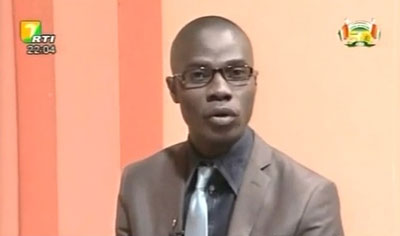
News from the Committee to Protect Journalists, January 2012 Journalist released after 163 daysCPJ was pleased to report on the January release of imprisoned journalist Hermann Aboa, who languished behind bars for 163 days. The former Ivorian state TV presenter was freed on bail after being jailed in July 21 on antistate charges for his role as a moderator…