
Chinese press has impact, against the odds
In China, state control over the media hasn’t become more lax in recent years. Each year brings a new excuse for Communist Party censors to tighten the screws. The year of the rabbit brought the Arab Spring, and fears of a Jasmine Revolution. The year of the dragon brings a major political transition.
Can an Indian cartoonist be barred from mocking the state?
The case of a cartoonist charged with treason and offending India’s national sentiments reflects a growing debate over what constitutes freedom of expression in India. His accusers argue that while it is permissible to make fun of politicians, you cannot make fun of the state. Not everyone agrees.
For journalists, cyber-security training slow to take hold
For centuries, journalists have been willing to go to prison to protect their sources. Back in 1848, New York Herald correspondent John Nugent spent a month in jail for refusing to tell a U.S. Senate committee his source for a leak exposing the secret approval of a treaty with Mexico. In a digital age, however,…
Google+, real names and real problems
At the launch of Google+, Google’s attempt to create an integrated social network similar to Facebook, I wrote about the potential benefits and risks of the new service to journalists who use social media in dangerous circumstances. Despite early promises of relatively flexible terms of service at Google+, the early days of implementation were full…
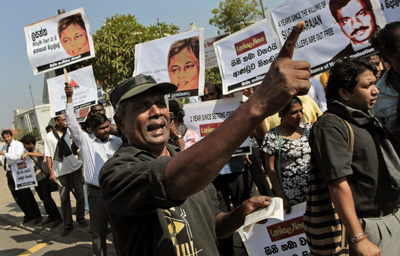
Black January? A foreign plot, says Sri Lankan government
On Monday, I wrote about two demonstrations scheduled for Sri Lanka this week. Both were meant to commemorate the ugly string of anti-press attacks in recent Januaries, which has included journalists killed and abducted, television stations bombed, websites attacked, and media offices torched. But Wednesday’s Black January effort, publicized by the Free Media Movement (FMM)…
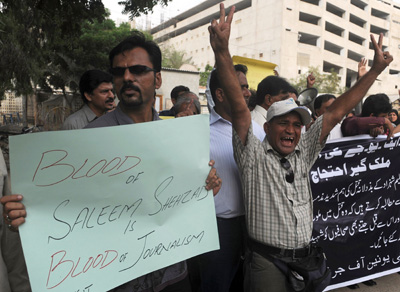
Mazhar Abbas: Shahzad was no Pearl
Yesterday marked the 10th anniversary of the disappearance of Wall Street Journal reporter Danny Pearl in Karachi on January 23, 2002. On February 21 of that year, a video of his beheading was released. In the wake of the judicial inquiry into the murder of journalist Saleem Shahzad, veteran Pakistani journalist Mazhar Abbas has taken…
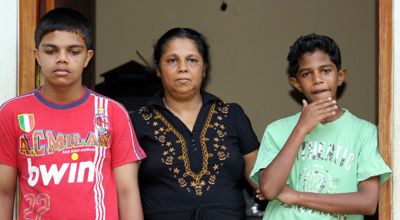
Oprah’s guards not only ones to assail Indian journalists
Oprah Winfrey’s first visit to India brought delighted coverage by the Indian media. Her meetings and tweetings with Bollywood stars, her bright orange sari, and her trips to slums and to the Taj Mahal were lovingly detailed by newspapers and TV outlets in that country.

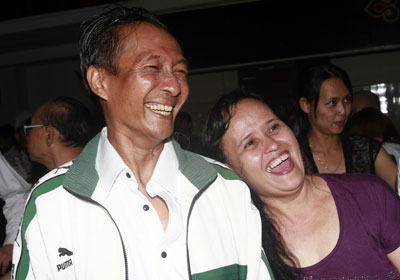
Freedom with limits in Burma
When President Thein Sein pardoned over 300 political prisoners last week in Burma, CPJ reported that at least nine journalists were among those released. Since then, the exile-run Democratic Voice of Burma (DVB) has announced that all of its jailed reporters, including a group of eight who had remained anonymous, are now free.