Freedom with limits in Burma
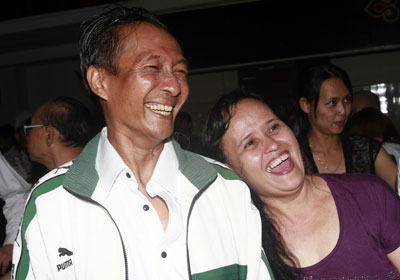
When President Thein Sein pardoned over 300 political prisoners last week in Burma, CPJ reported that at least nine journalists were among those released. Since then, the exile-run Democratic Voice of Burma (DVB) has announced that all of its jailed reporters, including a group of eight who had remained anonymous, are now free.
A deeper reading: Umar Cheema on the Shahzad report
With the shooting of Mukarram Khan Aatif on Tuesday, the once high-profile case of Saleem Shahzad has almost been overtaken by events. The day before Aatif’s death, Umar Cheema had sent me a link to his analysis of the judicial inquiry into the killing of Saleem Shahzad.
One year on: Remembering Wali Khan Babar
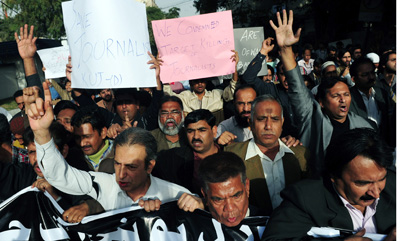
Today is the first anniversary of the killing of Geo TV broadcast reporter Wali Khan Babar in Karachi, a case that has almost been forgotten, particularly in the shadow of the release of the judicial inquiry into the murder of journalist Saleem Shahzad. The report on Shahzad has been posted on the Ministry of Information’s…
Fiji’s emergency ends, but media oppression continues
Fiji’s military leadership on Saturday lifted emergency regulations it had been using to stymie the country’s press since 2009, according to local government websites. Good news? Maybe. Yet the regime still restricts the media, and anyone else who dares to question the legitimacy of the 2006 coup that brought its leaders to power–suggesting they are…
No culprits named in Shahzad investigation, media reports
About six months after it was launched, the commission investigating the murder of journalist Saleem Shahzad submitted its report to Prime Minister Yousuf Raza Gilani on Tuesday. In the past, the government has not released results of such investigations into the deaths of journalists, but there might be an exception this time. There are early…
The HRCP’s call to address threats against journalists
A quick pointer to a statement issued by the Human Rights Commission of Pakistan on Monday: It said, in part, that “The HRCP is alarmed at reports of threats received by journalists on account of their work.” The commission asked the government to ensure that threats to journalists end and that risks associated with practicing…
Sri Lanka’s woeful January way-points
For Sri Lankan journalists, January might be the cruelest month. In January 2011, Sonali Samarasinghe wrote about the death of her husband Lasantha Wickramatunga two years earlier on January 8, 2009. In January 2010 I reported in “Sri Lanka: A year later, still failing to fight media attacks” about the government’s inactivity in investigating Wickramatunga’s…
More revelations of threats to Pakistani journalists
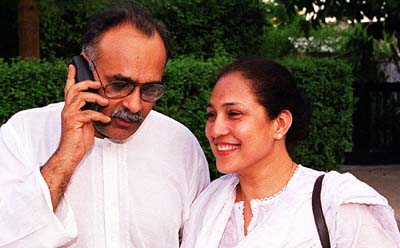
We released a statement Thursday–CPJ supports Pakistani journalists facing threats–about the decision of two Pakistani journalists to publicly announce the threats they had been receiving. Najam Sethi, editor of The Friday Times and host of a popular Urdu-language political program on Geo TV, and Jugnu Mohsin, also a Friday Times editor, said they had lived…
India struggles to cope with growing Internet penetration
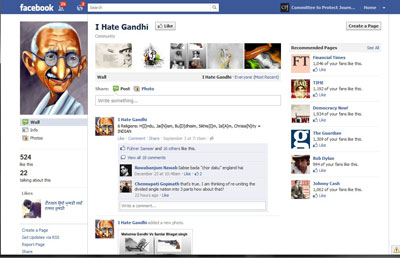
As Internet penetration deepens, largely religiously and socially conservative India is struggling to cope with concerns about controversial web content and its easy accessibility to a vast population, all with little oversight. Local courts have become the launching point for some of the anti-Web offensives.
‘Where is the state?’ asks Pakistani journalist under threat
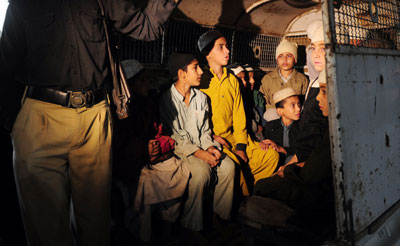
Since making me aware of threats to Hamid Mir on December 20, Umar Cheema and I have been encouraging Pakistani journalists we know who are under threat to step forward with their own experiences. Ghulamaddin, producer for Samaa TV in Karachi who broke the story of students held in chains at a seminary, is coming…