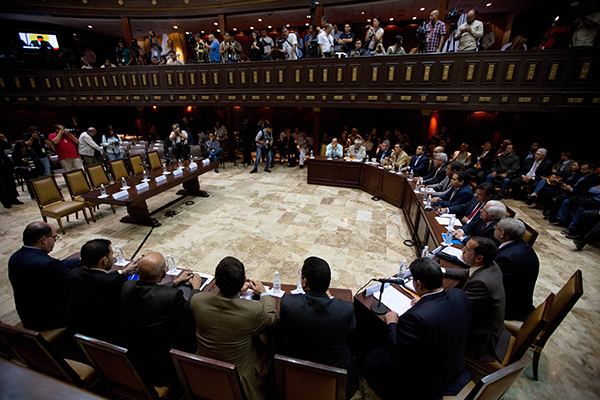
Venezuela’s national assembly reopens to the press after five-year ban
When security guards opened the doors to Venezuela’s colonial-era National Assembly building last Wednesday, I was among the dozens of reporters who swarmed inside. Even though the day’s legislative session would not be called to order for another three hours, every seat in the press galley, located on the second-floor balcony overlooking the chamber, was…
Inter-American Human Rights System, campaigns against defamation laws keep journalists from jail in Americas
When a prison guard told Ángel Santiesteban Prats that he would be released from jail on a scorching summer day in July, the Cuban independent writer and blogger decided to ignore him, brushing off the news as a cruel joke. By then, Santiesteban had already spent two years and five months in prison, half of…
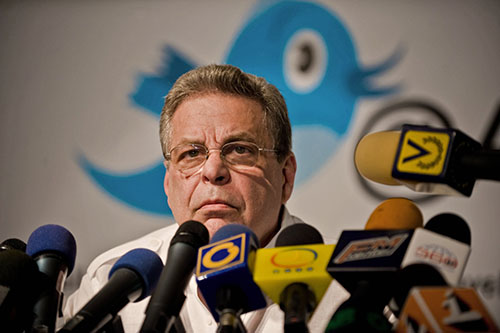
In Venezuela, online news helps journalists get their voices back
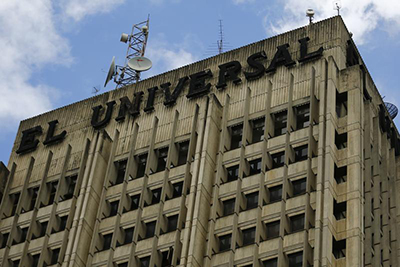
When Venezuelan President Hugo Chávez was rumored to be gravely ill four years ago, his socialist government was tightlipped about the diagnosis. Then in June 2011 a source in Havana, Cuba, where Chávez was being treated, told Nelson Bocaranda, a veteran columnist for the Caracas daily El Universal, that the president had cancer.
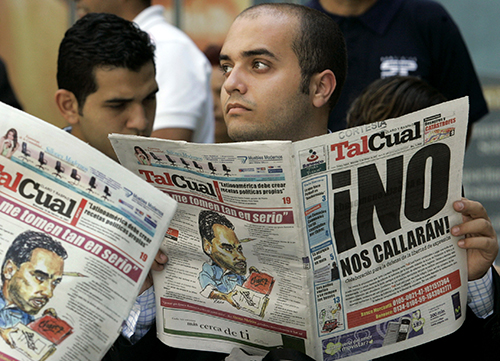
In Venezuela, Tal Cual under pressure but not defeated
Tal Cual, one of the few remaining Venezuelan newspapers critical of the government, is so shorthanded there’s often no receptionist on hand to let people in. Visitors must bang on the front door until someone in the newsroom notices. That can take a while because there are hardly any editors or journalists left.
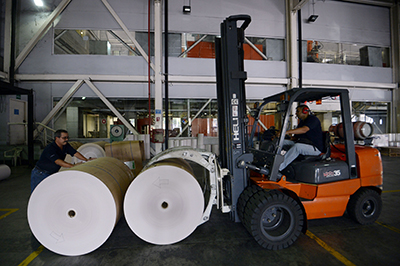
News rationed as Venezuela seeks to control newsprint imports
Venezuelan newspapers have traditionally handed out hundreds of courtesy copies in their lobbies and at hotels. But Correo del Caroní, an independent daily in the industrial city of Ciudad Guayana, treats every edition as if it were precious and now gives away just 14 copies, including one to the owner.
Slideshow: Covering protests in Venezuela
Coverage of street demonstrations is an exceptionally dangerous assignment, with journalists subject to assaults, obstruction, detention, raids, threats, censorship orders, and confiscation or destruction of equipment. This report is one in a series of three by Getty photographers who documented for CPJ their recent experiences covering protests and shared their photographs.
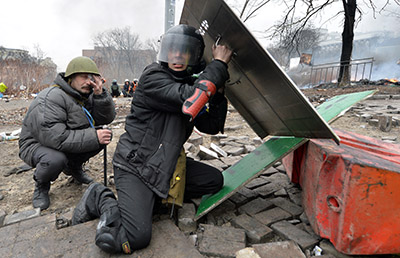
Body armor must match threat in Venezuela and Ukraine
Covering street violence is one thing. Covering gunfire is another. This week, firearms were unexpectedly introduced into ongoing clashes between protesters and police in two parts of the world, raising the threat level faced by journalists trying to cover events.
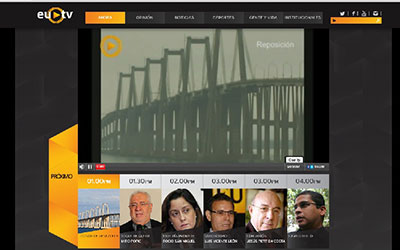
Web-based TV opens space for critical voices in Venezuela
With its low budget décor and grainy images, EUTV has the look and feel of small-town community television. But the Web-based TV station that went live on November 18 has much larger ambitions: It intends to be the primary source for Venezuelans who covet independent television news.