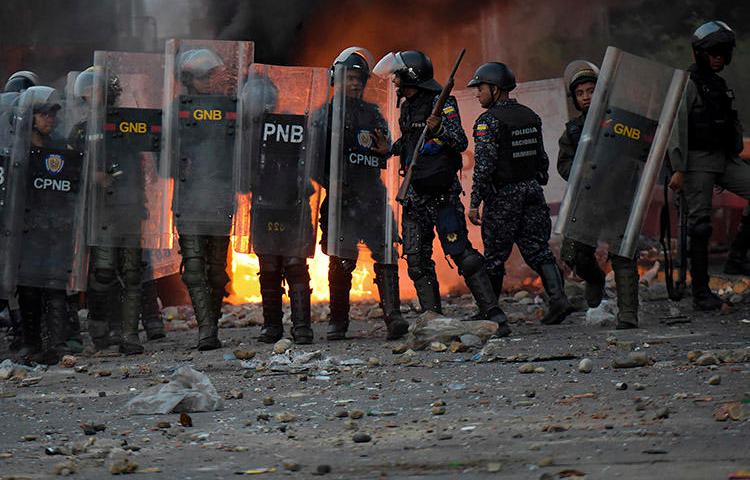
Uncertainty and risk for journalists stranded at Venezuelan border
As Venezuela’s political crisis deepens, and the country closes its border with Colombia following violent clashes in late February, CPJ’s emergencies director, María Salazar Ferro traveled to the Colombian border city Cúcuta, with Luisa Isaza, head of protection for the Colombian press freedom group FLIP, and CPJ’s Andes correspondent, John Otis. There, they met with…
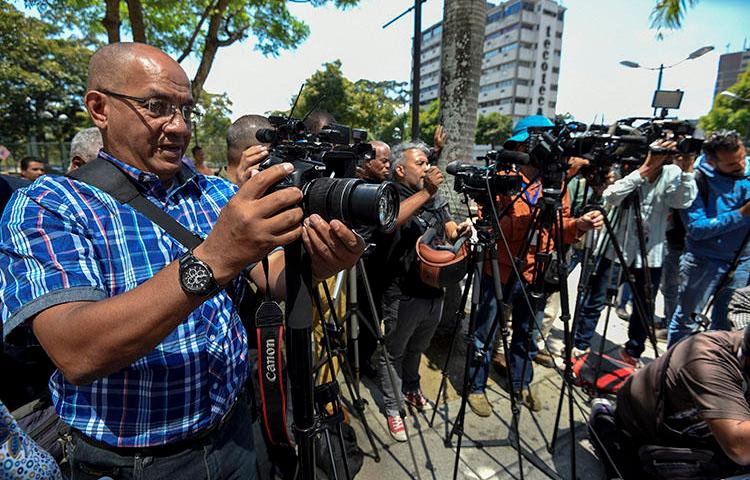
Venezuela’s intimidation tactics include arbitrary arrests, deportation
When Venezuelan military officials detained American freelancer Cody Weddle on March 11, the experience was both frightening and bizarre. Weddle said that agents put a hood over his head and pressed him to reveal sources he had never spoken with. They suggested the reporter was a member of the CIA and would be charged with…
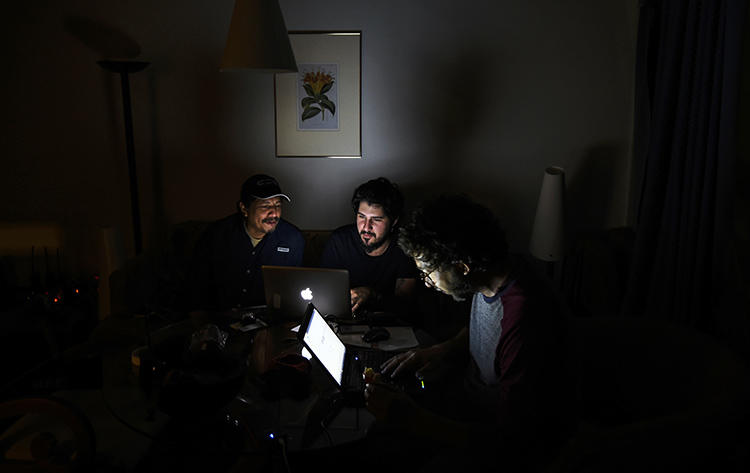
Maduro’s internet blackout stifles news of Venezuela crisis
One of the world’s biggest news stories on March 4 was the daring return to Venezuela of opposition leader and self-proclaimed interim president Juan Guaidó, who faced possible arrest by the authoritarian regime of Nicolás Maduro. But most Venezuelans were unable to follow his homecoming.

CPJ joins letter expressing concern about proposed cyberspace law in Venezuela
The Committee to Protect Journalists joined more than 30 regional and international rights organizations expressing concern about a proposed law in Venezuela that would expand the powers of the government to control and monitor internet use without institutional checks.
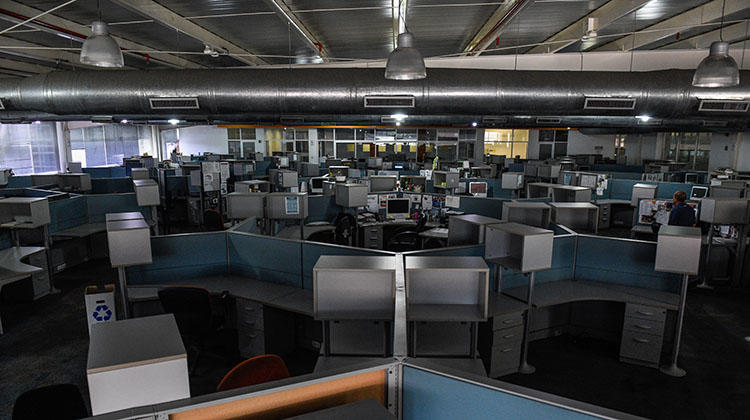
Lawsuits and economic crisis drive Venezuela’s journalists into exile
When Ewald Scharfenberg, the founding editor of the Venezuelan investigative news website Armando.Info, holds editorial meetings, he pulls out his mobile phone. That’s because most of his reporters are in Venezuela while Scharfenberg lives and works in neighboring Colombia.
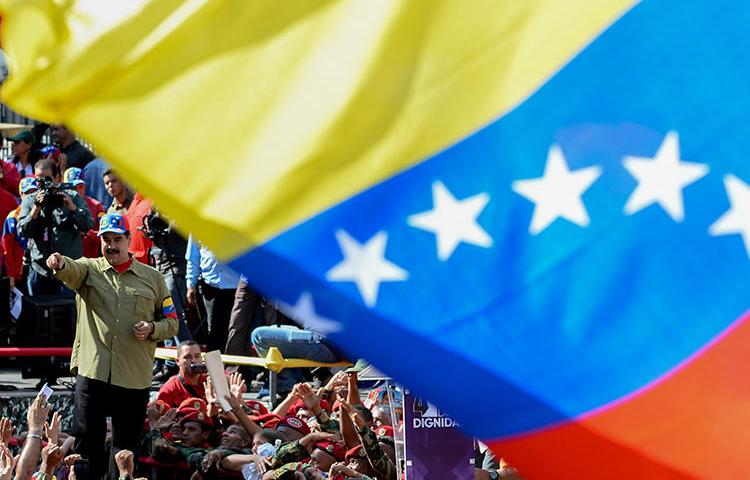
Venezuela’s anti-hate law provides Maduro with another tool to intimidate the press
In what journalists fear could be a taste of things to come, Venezuela’s new anti-hate law was enforced for the first time against a news organization on January 30, when Yndira Lugo, the editor of Diario Región, was called before government agents for questioning.
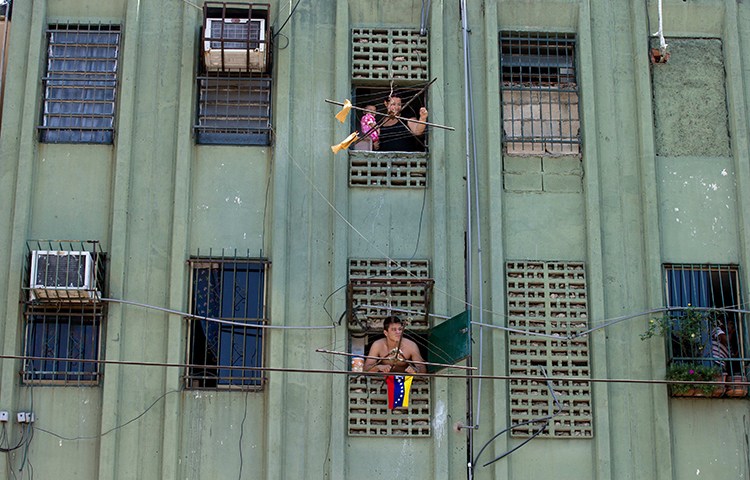
End of the print run for Venezuela’s regional press as supplies dry up for critical outlets
The lobby of El Carabobeño includes a display of vintage cameras, engraving plates and paper cutters from the 1930s when the newspaper was founded in Valencia, Venezuela’s third-largest city. But now El Carabobeño’s modern printing press could be added to the exhibit.
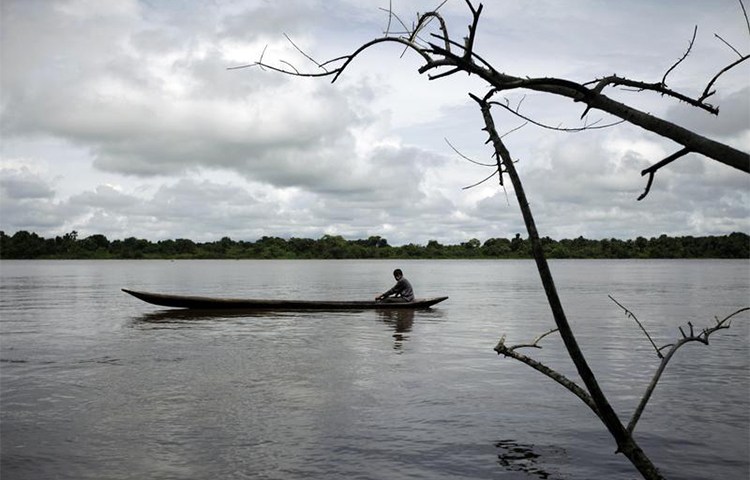
From power cuts to powerful threats, Venezuela’s indigenous journalists face a series of challenges in their reporting
Three twentysomethings huddle over a desk in a small room in Tucupita, a low-slung city of about 90,000 people that spills across the Orinoco river delta region in northeastern Venezuela. Far from the tear gas and street conflicts roiling cities including Caracas and Valencia, these journalists are focused on reporting the latest story from the…
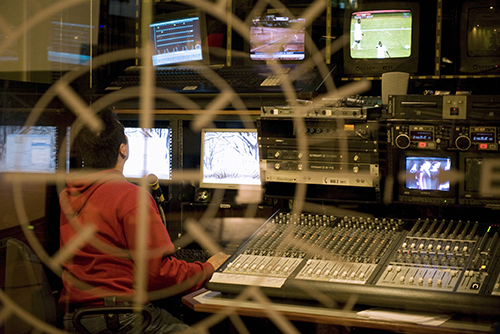
Last critic standing: How El Nacional defies challenges to keep publishing
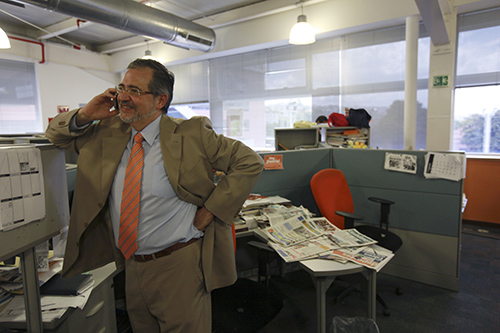
Patricia Spadaro, news editor at the Caracas daily El Nacional, faces daunting challenges in putting out the newspaper. Her boss, El Nacional’s president and editor Miguel Henrique Otero, has been living in exile since May 2015 after a top government official accused him of defamation. Amid the country’s deep economic crisis, half of Spadaro’s reporters…