
Attacks on the Press in 2011: Regulating the Internet
Legislation for Internet security can quickly turn into a weapon against the free press. Cybercrime laws are intended to extend existing penal codes to the online world, but they can easily be broadened to criminalize standard journalistic practices. By Danny O’Brien

Attacks on the Press in 2011: Profiles in Freedom
How does one negotiate the choice to stay and report potentially dangerous news, rather than take a less risky assignment, leave the profession, or flee the country? The recipients of the 2011 International Press Freedom Awards explain. By Kristin Jones
Attacks on the Press in 2011: Evolution in Journalist Security
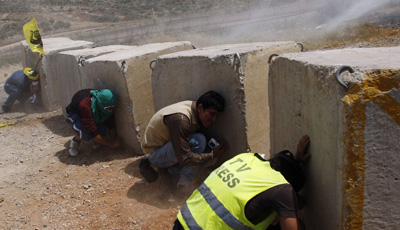
The danger of covering violent street protests has become a significant risk for journalists, alongside combat and targeted killings. Sexual assault, organized crime, and digital vulnerability are also hazards. The security industry is struggling to keep up. By Frank Smyth

Attacks on the Press in 2011: Impunity Still the Norm in Russia
Russian investigators have adopted a more serious tone when discussing unsolved journalist murders, but officials still lack the will to apprehend masterminds of the killings. The lack of convictions takes a serious toll on investigative journalism. By Nina Ognianova
Attacks on the Press in 2011: Turkey’s Legal Problem
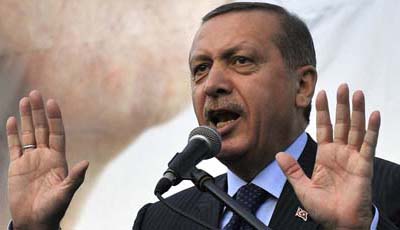
With the aid of anachronistic legislation and a rigid judiciary, Turkish officials and politicians have curbed free expression by subjecting journalists to endless court proceedings and legal costs. The EU and the U.S. are no help. By Robert Mahoney >> Türkçe
Attacks on the Press in 2011: Iran’s Vast Diaspora
Journalists who have fled Iran to avoid prison face a tense and lengthy process toward resettlement, an uncertain financial and professional future, and most of all, fear that the Iranian government will catch up with them. By María Salazar-Ferro and Sheryl A. Mendez >> فارسي