Attacks on the Press in 2013: Ukraine
Despite its status as the 2013 chairman of the human rights and security agency the Organization for Security and Co-operation in Europe, Ukraine did little to promote press freedom in the region. Local reporters expressed doubt about the editorial independence of news outlets, as the owners of a critical broadcaster and a large media holding…
Attacks on the Press in 2013: United Kingdom
The United Kingdom’s tradition of an unfettered news media was marred by several developments in 2013. Parliamentary debate over recommendations from the 2012 Leveson Inquiry to address unethical behavior by media concluded with the creation of a royal charter that critics feared would enable political interference in press regulation and set a bad example for…
Attacks on the Press in 2013: Uzbekistan
Following an established trend, authoritarian Uzbek leader Islam Karimov promised to address journalists’ concerns but did not follow through by ending the repressive climate for the press in the country. The decades-long harassment against government critics has virtually wiped out the media landscape, forcing the domestic and international community to rely on rumors or leaked…
Media surveillance and ‘the day we fight back’
Today, a broad coalition of technology companies, human rights organizations, political groups, and others will take to the Web and to the streets to protest mass surveillance. The mobilization, known as “The Day We Fight Back,” honors activist and technologist Aaron Swartz, who passed away just over a year ago. Throughout the day, the campaign…
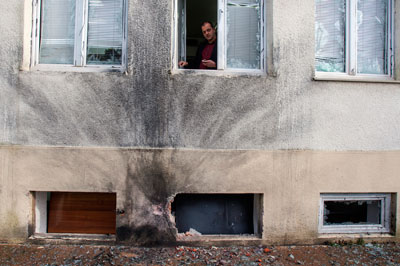
EU should scrutinize Montenegro–Wild West for the press
Nestled between Croatia’s Dalmatian coast and Albania, the small state of Montenegro (14,000 square kilometers, 630,000 inhabitants) evokes images of sandy beaches, pristine lakes, and gorgeous mountains. The wild beauty advertised by its savvy tourist board, however, looks more like the Wild West for the Montenegrin press. In the past weeks a number of violent…
CPJ troubled by report GCHQ targeted journalists
San Francisco, February 7, 2014–The Committee to Protect Journalists is deeply troubled by a report that a potential operation by the British intelligence agency Government Communications Headquarters (GCHQ) involved covert surveillance of reporters’ communications. GCHQ sought to use journalists to pass both information and disinformation to intelligence targets, according to documents taken from the National…
Press freedom deteriorates in Cyberspace, Egypt, Russia
Risk List underlines mass surveillance, fatalities, and censorship New York, February 6, 2014–Mass surveillance programs by the U.S. and U.K., as well as restrictive Internet legislation by various governments and a wave of cyberattacks globally, are among the disturbing developments that have landed cyberspace on the Committee to Protect Journalists’ Risk List, released today.
Turkish president should veto Internet bill
San Francisco, February 6, 2014–The Committee to Protect Journalists calls on Turkish President Abdullah Gül to veto the Internet bill passed Wednesday by the Turkish Parliament. The bill would grant the Turkish government unprecedented control over the Internet by allowing Web pages to be blocked without a court order, requiring mandatory data retention by Internet…
Attacks on journalists persist amid protests in Ukraine
New York, February 5, 2014–At least two international journalists reported being abducted and beaten while covering protests in Ukraine on Friday, according to news reports. The attack comes as two local press freedom groups each reported that more than 100 journalists have been attacked or briefly detained since the nationwide protests began in late November.