News from the Committee to Protect Journalists, April 2015
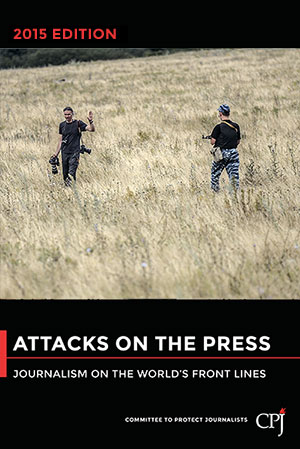
CPJ launches annual publication Attacks on the Press At a U.N. press conference on April 27 to launch CPJ’s annual publication Attacks on the Press, CPJ Executive Director Joel Simon called on the U.N. Security Council to include in its May 27 debate on Journalist Safety a warning to states that they should not use…
Pakistani journalist Muhammud Rasool Dawar under threat
We get a fairly steady stream of journalists in Asia asking for assistance. The majority of the requests come from journalists who have been threatened, and the threats can come from just about anywhere: militant groups, the military, government officials, powerful local politicians, arms runners, and drug dealers.
Singaporean authorities shut down The Real Singapore news website
Bangkok, May 5, 2015–Singaporean authorities on Sunday ordered an independent news website to be shut down, citing the website’s content as being objectionable to state interests, according to news reports. The Real Singapore is the first news website to be shut down under Singapore’s licensing regulations, introduced in 2013, according to CPJ research.
On World Press Freedom Day and journalists’ safety
Last week, I met a Cameroonian journalist who worked in the Congo until he fled following a series of threats and an attack on his home by armed men who assaulted his sister. Elie Smith, a TV host who documented alleged abuses by police and was outspoken in his criticism of the government, said he…
Authorities shut TV news station in Thailand
Bangkok, April 29, 2015–Thai authorities on Monday revoked the operating license of Peace TV, a news station aligned with the elected government ousted in last year’s military coup, according to news reports. The Committee to Protect Journalists condemns the move and calls for Thai authorities to stop harassing and censoring the media.

Between conflict and stability: Journalists in Pakistan and Mexico cope with everyday threats
By Daniel DeFraia The Pakistani journalist knew the risk, but he wrote the story about the militants anyway. Years earlier he had been shot, after reporting on another taboo subject, but for him the freelance work was thrilling, even after he had to marry his girlfriend in secret and flee Pakistan without her–and still now,…

For clues to censorship in Hong Kong, look to Singapore, not Beijing
When journalists covering pro-democracy demonstrations in Hong Kong on September 28, 2014, got word that protesters were having problems with cell phone service, it appeared to be a familiar response from governments across the world to dissent.
Indian businesses exert financial muscle to control press
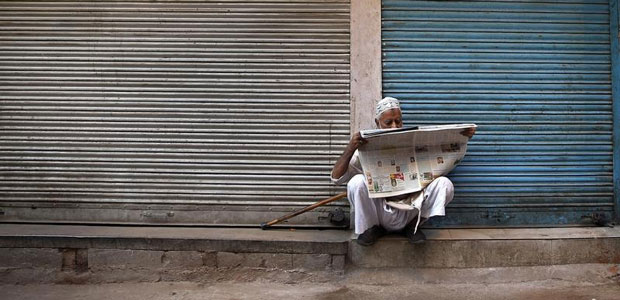
In the late summer of 2014, Indian freelance journalist Keya Acharya found herself embroiled in her own version of the War of the Roses. That August, Acharya was forced to respond to a nine-page legal notice demanding that she pay a staggering 1 billion rupees ($16.3 million) to a company whose owner was upset about…