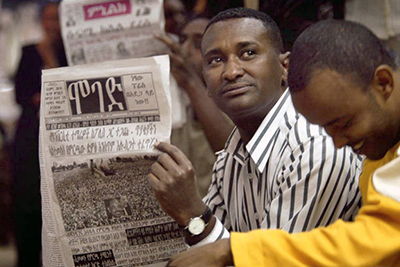
Ethiopia’s independent publishers may face another hurdle
In what appears to be one of a collection of measures to silence the press ahead of 2015 elections, Ethiopian authorities in the Communications Ministry are preparing a new system to control the distribution of print media. Privately owned newspapers and magazines, possibly the only remaining independent news sources in the country, would face more…
CPJ calls for probe into French journalist’s death in CAR
New York, May 13, 2014–The Committee to Protect Journalists calls for an immediate investigation into the death of French freelance photojournalist Camille Lepage, 26, in the Central African Republic. In a statement issued today, the French government said that French troops had discovered Lepage’s body in a vehicle driven by fighters of the anti-Balaka Christian…
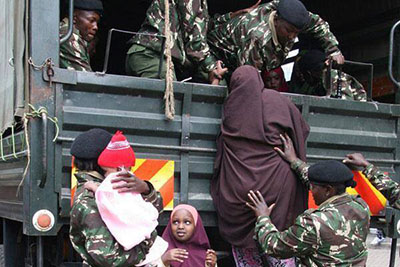
Kenya must consider plight of refugee journalists
Today, CPJ partnered with Reporters Without Borders and Rory Peck Trust in a joint open letter calling on Kenya’s Cabinet Secretary of Interior, Joseph Ole Lenku, to provide clarity on the government’s refugee policy and to exempt journalists from forced relocation to the refugee camps. On March 25, Lenku ordered all urban refugees to relocate…
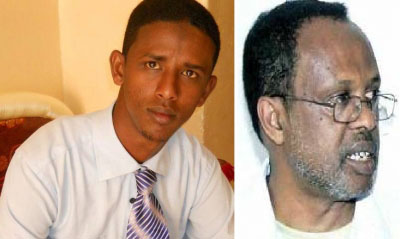
Somaliland authorities arrest two journalists
Nairobi, May 12, 2014–A regional court in the semi-autonomous republic of Somaliland remanded two journalists into custody on Saturday after charging them with libel, false publication, and anti-state propaganda, according to news reports and the local Somaliland Journalists’ Association. Yusuf Abdi Gabobe, chairman of the Haatuf Media Network, and Ahmed Ali, chief editor of the…

SABC betrays South Africa’s young democracy
This week, South Africans go to the polls for their fifth democratic elections since 1994, but despite constitutional guarantees of media freedom, the vast majority of South Africans who vote will do so informed only by the positive news and information carried by a public broadcaster widely criticized for its partiality to the ruling party.
Ten journalists to free from prison
On World Press Freedom Day, CPJ calls for the release of all jailed journalists By Shazdeh Omari/CPJ News Editor New York, April 29, 2014—Uzbek editor Muhammad Bekjanov has been in jail for 15 years, one of the longest imprisonments of journalists worldwide. Prominent Iranian journalist Siamak Ghaderi was imprisoned in 2010 and has been beaten…
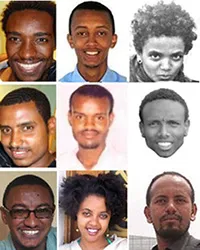
Ethiopia jails nine journalists, renews press crackdown
Nairobi, April 28, 2014–The Committee to Protect Journalists is alarmed by the Ethiopian government’s arrests of nine journalists in one of the worst crackdowns against free expression in the country.”With the latest arrests, Ethiopian authorities are turning the peaceful exercise of free expression into a crime,” said CPJ East Africa Representative Tom Rhodes.On Sunday, a…
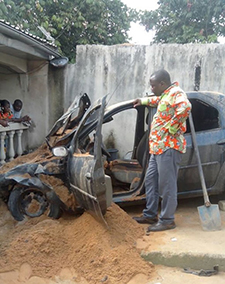
Cameroonian journalist’s car destroyed in explosion
New York, April 24, 2014–An investigative journalist in Cameroon told CPJ today that his car had been destroyed in an explosion early this morning. Denis Nkwebo said the car was parked outside his house in the commercial capital of Douala, and that no one was hurt in the explosion. Nkwebo, an editor of the leading private…
CPJ urges free expression be part of post-2015 MDG agenda
Dear Ambassadors Kamau and Kőrösi: I am writing to you in your capacity as the co-chairmen of the Open Working Group on Sustainable Development Goals. Your work and the recommendations of your group will help frame the discussion in the coming year as United Nations member states seek to agree a set of objectives to succeed the Millennium Development Goals beyond 2015. We at the Committee to Protect Journalists (CPJ) believe it is vital that your report to the UN Secretary General Ban Ki Moon later this year include freedom of expression and access to information and independent media as part of the post-2015 agenda.
Getting Away With Murder
CPJ’s 2014 Global Impunity Index spotlights countries where journalists are slain and the killers go free IraqUnsolved Murders: 100Population: 32.6 millionRank: 1 SomaliaUnsolved Murders: 26Population: 10.2 millionRank: 2 The PhilippinesUnsolved Murders: 51Population: 96.7 millionRank: 3 Sri LankaUnsolved Murders: 9Population: 20.3 millionRank: 4 SyriaUnsolved Murders: 7Population: 22.4 millionRank: 5 AfghanistanUnsolved Murders: 5Population: 29.8 millionRank: 6 MexicoUnsolved…