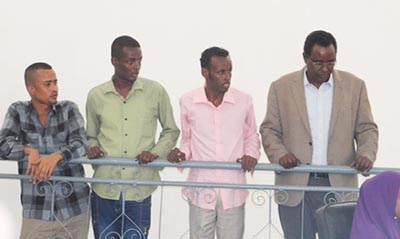
Radio journalists given hefty fines in Somalia, one still detained
Nairobi, March 3, 2015–A Somali court in Mogadishu on Sunday convicted one journalist of public incitement and two others of publishing false news and imposed harsh fines on them, according to news reports. The journalists are out of prison, but a fourth is still being detained, the reports said.
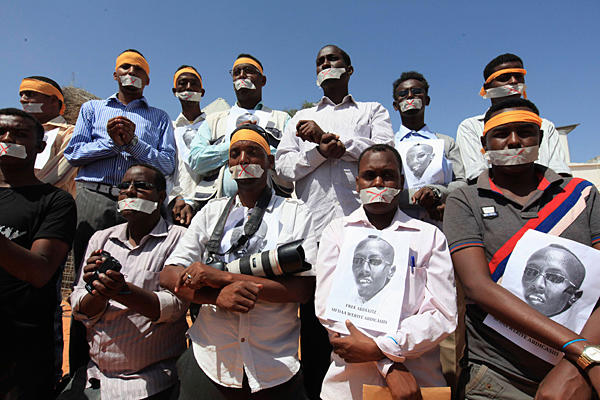
News from the Committee to Protect Journalists, February 2015
First step toward better safety for freelancers News agencies, press freedom organizations, and advocacy groups came together this month to address mounting concerns over the hiring and safety of freelance journalists. While dangers to freelancers have always been present, last year international journalists made up nearly a quarter of journalists killed, about double the proportion…
Mozambique charges journalists investigating rhino poaching
New York, February 20, 2015–Mozambican authorities have charged two international journalists with trespassing and invasion of privacy in connection with their investigation of rhino poaching, according to news reports and one of the journalists. The Committee to Protect Journalists calls on Mozambique to drop the charges and ensure the journalists’ safety.
South Sudan daily Nation Mirror ordered to stop publishing
Nairobi, February 10, 2014–The Committee to Protect Journalists condemns the ban on independent newspaper Nation Mirror, which was ordered to stop publishing by National Security Service agents in South Sudan’s capital Juba, and calls on authorities to immediately reverse the order.
In Uganda, mob assaults radio journalists
A group of about 30 men with clubs attacked journalists Gerald Kankya and Simon Amanyire in the town of Fort Portal in western Uganda on January 23, 2015, Kankya told CPJ. The assailants beat the journalists, breaking one of Kankya’s teeth and bruising his legs and arms, the journalist said. Amanyire escaped without serious injury.
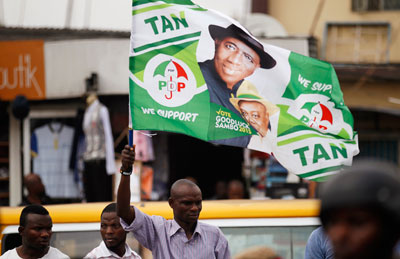
News from the Committee to Protect Journalists, January 2015
Putting Charlie Hebdo in context When masked gunmen raided the office of French satirical magazine Charlie Hebdo on January 7, killing 12 people including eight journalists, the media turned to the Committee to Protect Journalists to put the attack in context and comment on the repercussions for press freedom worldwide. CPJ’s experts and directors gave…

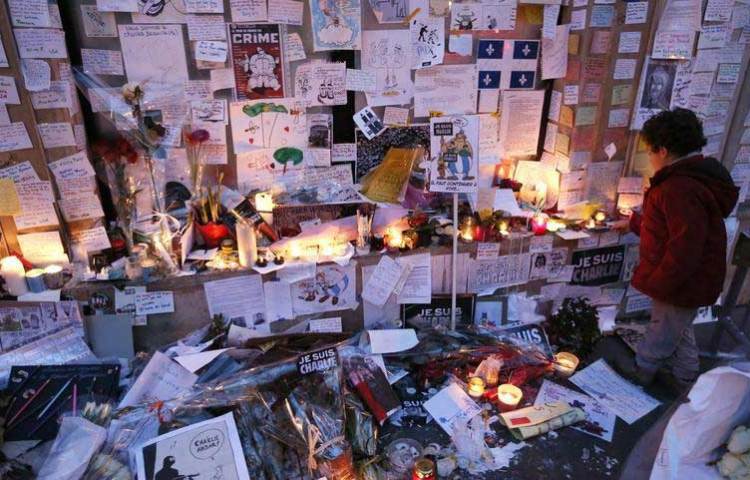
After Charlie Hebdo attack, vigils, protests and publishing bans
Protests against the French satirical weekly Charlie Hebdo were held in Afghanistan, Pakistan, the Middle East and parts of Africa over the weekend, as crowds demonstrated against the magazine’s portrayal of the Prophet Muhammad, according to news reports.
Five journalists killed when gunmen ambush convoy in South Sudan
Nairobi, January 27, 2015–Five journalists were killed on Sunday when unidentified gunmen ambushed an official convoy in South Sudan’s Western Bahr al Ghazal state, according to local journalists and news reports. The Committee to Protect Journalists condemns the attack and calls on authorities to apprehend the perpetrators and hold them to account.
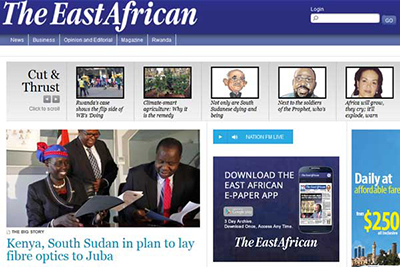
Tanzania bans circulation of regional weekly
Nairobi, January 27, 2015–Tanzanian authorities banned circulation of the privately owned regional weekly The East African on January 21, citing the newspaper’s lack of registration, according to news reports. Local journalists said they believed the paper was shut because of its critical coverage of the government.