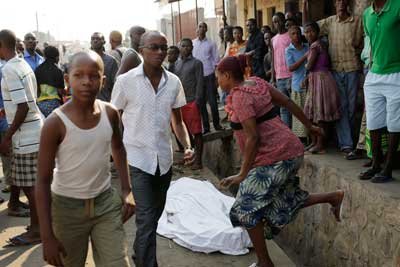
Burundi must investigate attacks on journalists
The Committee to Protect Journalists and 18 other organizations are urging Burundi authorities to investigate attacks on journalists and human rights defenders. Since the April announcement that President Pierre Nkurunziza would run for a third term, defying constitutional limitations and sparking months of protests, journalists have been routinely targeted. At least five radio stations were…

Ivory Coast publisher charged with defamation, insult
Abidjan, August 5, 2015–A journalist who was imprisoned for almost a week by authorities in the Ivory Coast has been charged with defamation, among other crimes, according to the journalist and news reports. The Committee to Protect Journalists calls on authorities in the Ivory Coast to drop the charges against Joseph Titi immediately. A judge…
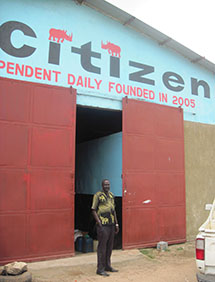
South Sudanese authorities silence three media outlets
Nairobi, August 5, 2015–Authorities in South Sudan have shut down three independent media outlets in the past five days, according to news reports and the outlets’ editors. The Committee to Protect Journalists condemns the closures, which come as international mediators seek to arrive at a peace deal between the government and the armed opposition following…
Militia in central Somalia detains six journalists for four days
Ahlu Sunna Waljama, a formerly government-aligned religious militia based in central Somalia, detained six journalists from July 31, 2015, to August 3, 2015, in the central town of Dhusamareb, according to news reports and local journalists.
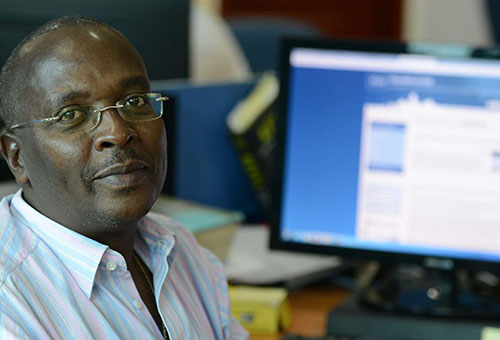
Burundi security agents attack journalist covering murder of top general
Nairobi, August 3, 2015–Burundi security forces detained and beat a journalist on Sunday while he was covering the assassination of a top general in the capital, Bujumbura, according to news reports and the journalist. The Committee to Protect Journalists condemns the attack and calls on Burundian authorities to launch a full and efficient investigation.
Journalist attacked after covering protest in South Africa
Luvuyo Mehlwana, a reporter for the Daily Sun, one of the highest-circulated daily newspapers in South Africa, told CPJ he was kicked and beaten after covering a protest in the Northern Areas of the coastal city of Port Elizabeth on July 27, 2015.

Mission Journal: Will Obama’s visit boost hopes for press freedom in Kenya?
President Barack Obama is expected to address a range of topics when he arrives in Kenya tomorrow. The Kenyan government says it plans to discuss security and trade, while opposition parties and civil society want good governance and human rights added to the agenda, according to news reports. We hope the discussion includes the commitments…
Gambian journalist abducted again, days after he was freed
New York, July 21, 2015–The Committee to Protect Journalists holds Gambian authorities responsible for the safety and well-being of radio journalist Alagie Abdoulie Ceesay. Ceesay was seen being forced into a car in Banjul, the capital, on July 17, four days after he was held for almost two weeks by individuals suspected of being government…
Journalists arrested in Zambia for publishing allegedly classified documents
New York, July 16, 2015–Zambian authorities have arrested two journalists and accused them of publishing classified documents, according to news reports. The Committee to Protect Journalists condemns the arrests and calls on Zambian authorities to release them immediately.
Kenya falls short on promises for press freedom
New CPJ report finds worsening climate for journalists in traditionally open Kenya New York, July 15, 2015–A combination of legal and physical harassment, as well as concentration in media ownership, makes it increasingly difficult for journalists to work freely in Kenya, according to “Broken promises: How Kenya is failing to uphold its commitment to a…