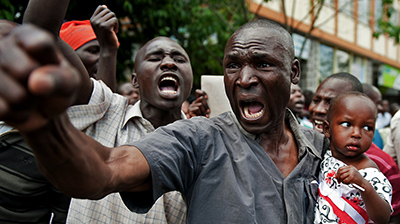
In tense climate, Kenyan press can draw on solidarity
Amid a tense presidential election, Kenyans have avoided a repeat of the deadly violence that followed the vote in 2007, when half a million people were uprooted and more than 1,000 people were killed. Still, the situation today is fraught. Ethnic identity dominates the nation’s political divisions–and those same loyalties can undermine solidarity in the…

Journalists relieved, wary amid Kenyan elections
Journalists could be seen rushing from polling station to polling station Monday to see long queues of determined Kenyan voters in what was apparently a largely peaceful election, according to the Deputy Director of Kenya’s statutory media council, Victor Bwire. But leading up to the vote, many journalists worked in a climate of fear; and…
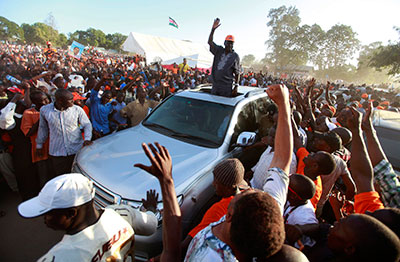
As Kenya votes, journalists must take precautions
Election-related violence is a worry for journalists in many countries, but perhaps nowhere more so than Kenya, where presidential polls will be held March 4. In the aftermath of the nation’s last presidential elections in 2007, over one thousand people were killed in ethnic and political violence, live news broadcasts were banned, and the press…
Journalist Assistance helps record number in 2012
An increase in press freedom violations last year created a surge of need among journalists, driving a record number of assistance cases for CPJ’s Journalist Assistance Program in 2012. More than three-quarters of the 195 journalists who received support during the year came from East Africa and the Middle East and North Africa, reflecting the…
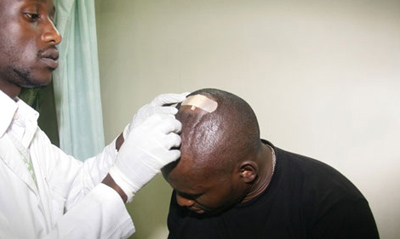
Kenyan journalists attacked while covering Kibera clashes
Nairobi, January 22, 2013–Kenyan authorities must hold to account soldiers with the General Service Unit, Kenya’s paramilitary force, in connection with their reported assault of two journalists on Sunday, the Committee to Protect Journalists said today.
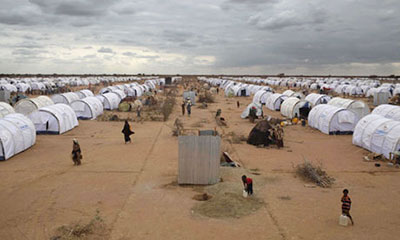
Somalis in Kenya hounded by security forces, refugee policy
Exiled Somali journalists living in Nairobi were struck with disbelief this week when daily newspapers published a statement by the Department of Refugee Affairs ordering all Somali refugees to move to refugee camps. “The refugees, particularly those living in urban centers, are contributing to insecurity in the country,” the statement read. The acting commissioner for…
Video: Journalists in exile
Four East African journalists who were forced to flee their countries tell about their experiences, difficulties, and hopes for the future. (3:43)Read CPJ’s report, “Journalists in exile: Crisis in East Africa,” for more information about journalists forced to go into exile.
Journalists in exile 2012
Crisis in East Africa Fifty-seven journalists fled their country in the past year, with Somalia sending the greatest number into exile. Journalists also fled Ethiopia, Eritrea, and Rwanda–mostly for Kenya and Uganda. Exiles in East Africa must grapple with poverty and fear. A CPJ special report by María Salazar-Ferro and Tom Rhodes