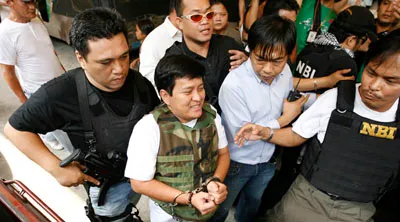
An apparent injustice has been reversed—Philippines Justice Secretary Alberto Agra refiled murder charges against two key figures in the November 2009 mass killing of journalists and others in Maguindanao. On April 19, we filed an alert expressing our dismay that Agra had dropped murder charges against Zaldy Ampatuan, former governor of the Autonomous Region in Muslim Mindanao, and his uncle, Akmad Ampatuan, former mayor of Mamasapano on the southern island of Mindanao. The unilateral call by Agra had overruled the
But today Agra said the Justice Department’s investigations had turned up new evidence to reinstate the charges against the two men. The BBC and other local and foreign media outlets had quoted Agar as saying, “I am now convinced that there is probable cause,” at a press conference.
CPJ wasn’t alone in responding negatively to Agra’s April 19 decision, and we feared the move was a further indicator of just how precarious the case against the alleged perpetrators is. What we said in that blog entry is still true:
It is wrong to believe that just because the Maguindanao killings have been so widely reported that either the provincial or central government in this case will be able to muster the political will and the prosecutorial energy to not only bring the men who pulled the triggers to justice, but also the powerful figures who ordered them to do so.
The Philippines now has the third-worst record in the world of bringing the killers of journalists to justice, behind only Iraq and Somalia, according to CPJ’s 2010 Global Impunity Index. In 2009, it ranked sixth, but the Maguindanao killings drove it up on this year’s list. And until the Maguindanao case is successfully prosecuted, it looks like the country will stay near the top.