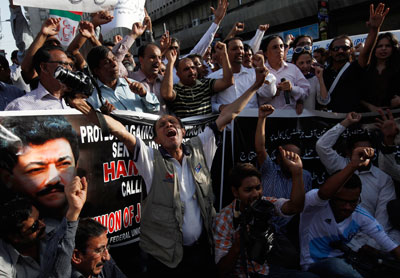
Slideshow: Covering protests in Ukraine
Coverage of street demonstrations is an exceptionally dangerous assignment, with journalists subject to assaults, obstruction, detention, raids, threats, censorship orders, and confiscation or destruction of equipment. This report is one in a series of three by Getty photographers who documented for CPJ their recent experiences covering protests and shared their photographs.
Independent editor assaulted in northeastern Ukraine
New York, April 17, 2014–The Committee to Protect Journalists condemns a brutal attack on an editor in Ukraine and calls on authorities to conduct a thorough investigation and apprehend the perpetrators. The editor should also be provided with protection while he is recovering in the hospital, CPJ said.
Meeting commitments in Pakistan
A few days after our CPJ delegation met with Prime Minister Nawaz Sharif and secured commitments to combat threats to journalists in Pakistan, I sat down with reporters from the country’s most restive regions, who described in detail the conditions in which they work.
CPJ condemns attacks, harassment of Mexican daily
New York, April 3, 2014–The Committee to Protect Journalists condemns an attack early today on Adrián López Ortiz, general director of the Grupo Noroeste, a media group that owns the daily Noroeste, in the state of Sinaloa. CPJ is also alarmed by a series of threats and harassment against the paper in recent weeks and…
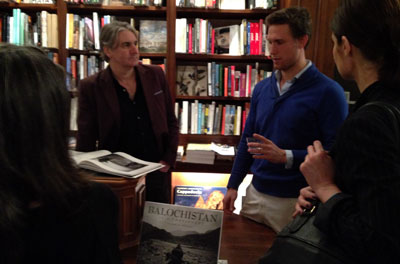
Blacklisted in Baluchistan
Pakistani Prime Minister Nawaz Sharif made a series of commitments to safeguard press freedom during a meeting with a CPJ delegation last week. Among them was a pledge to speak out in support of media freedom and against attacks on journalists, particularly in high-conflict areas like Baluchistan.
CPJ alarmed by threats against RSF Mexico correspondent
New York, March 13, 2014–The Committee to Protect Journalists is concerned by threats made against Balbina Flores Martínez, Mexico correspondent for the international press freedom organization Reporters Without Borders. On Wednesday, Flores received a series of telephone calls in which she was told that someone had been hired to “harm her,” according to news reports.
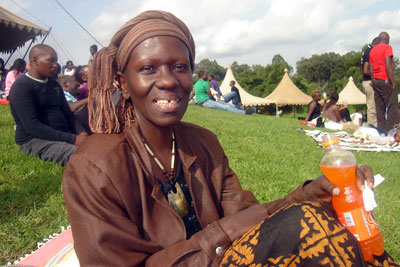
Forced to flee false perceptions, ICC, and Kenyan press
EDITOR’S NOTE: February 15, 2014 marked one year since Omwa Ombara arrived in the U.S. to seek political asylum after attempts on her life in Kenya between May and December 2012. She fled her native land after being contacted by International Criminal Court (ICC) investigators probing the violence that followed the Kenyan elections in 2007-2008,…