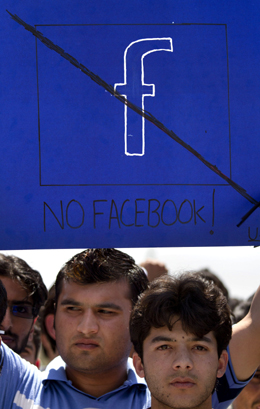
In Pakistan, a censor’s hand in Facebook, Twitter woes?
Last week, users of Facebook and Twitter in Pakistan began reporting a strange security problem. When they visited those sites, they found they were logged in–but with the accounts and privileges of complete strangers. Private Facebook information and Twitter direct messages belonging to other users were viewable, and the surprised Pakistani users had complete control…
As dissidents move online, governments fight back
Social media and cyber dissidents have exerted a increasing influence on global politics over the last few years—Twitter, for instance, was widely utilized by protesters and journalists during Iran’s 2009 post-election Green Movement, and China has been locked in conflict with Google over allegations of censorship and hacking. “Ideas in Action” with Jim Glassman, a half-hour weekly show on…
The malware lockdown in Havana and Hanoi
General purpose computers give journalists an incredible amount of power to create, research, and publish their work away from those who may wish to interfere. But such independence requires that the computer itself remain free and uncompromised by software that works against the journalist’s own interests.
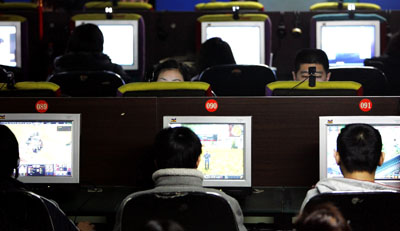
China’s future online policies look a lot like past plans
Monday, in a white paper released by China’s State Council called “The Internet in China,” the government made clear its Internet policies are not changing, stating the obvious: “Laws and regulations clearly prohibit the spread of information that contains content subverting state power, undermining national unity [or] infringing upon national honor and interests.” The State…
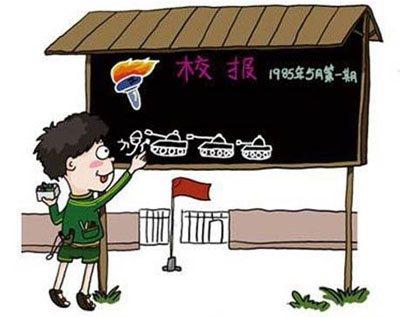
Tank cartoon erased before Tiananmen anniversary
Twenty-one years after the Tiananmen Square crackdown, China’s censors are still working to purge public discourse about the tragic events of June 4, 1989. But some Chinese Web users clearly have a healthy appetite for such a debate and are willing to circumvent the government censors.

Apple-Gizmodo case takes a bite out of global journalism
Modern technology blurs our definitions of journalism, so it’s no surprise that the first important tests of the new world should take place in the heart of Silicon Valley. But we should take care that arguments in widely publicized cases, such as the Apple-Gizmodo controversy in the United States, do not set precedents that could…
China’s state secrets law leaves journalists exposed
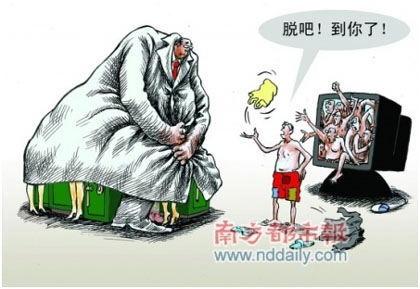
The Standing Committee of China’s National People’s Congress adopted a revised state secrets law on April 29. The changes, which take effect October 1, put greater onus on media and telecommunications companies to defend state secrets and cooperate with authorities investigating alleged violations of the legislation. Chinese commentators point out that while individuals are having…
State-owned Internet provider blocks Kazakh news sites
New York, April 29, 2010—Kazakh authorities must order the state-owned Internet Internet provider Kazakhtelecom to immediately restore access to the independent news portal Respublika and the Web site of its sister publication Respublika-Delovoye Obozreniye, the Committee to Protect Journalists said today.
Is Brazil the censorship capital of the Internet? Not yet
Last week, Google published its first set of global government request statistics, showing how many demands it receives to remove content from its servers or hand over private information on its users. Transparency by Internet companies about how much information they are compelled to remove or release helps us understand how online journalism worldwide may…