
Ethnic violence renews information clampdown in China
Two months into 2012, all-too-familiar stories are emerging from China’s troubled minority regions, Tibet and Xinjiang. Following riots against Chinese rule in 2008 and 2009, violence and its corollaries–increased security and censorship–have become commonplace. Independent bloggers and journalists who cover the unrest pay a high price: Over half the 27 journalists documented by CPJ in…
CPJ calls on Syrian authorities to halt violence
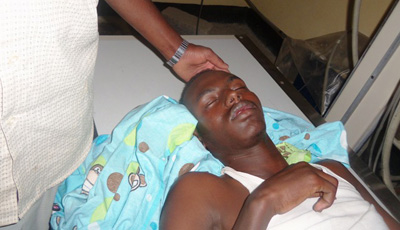
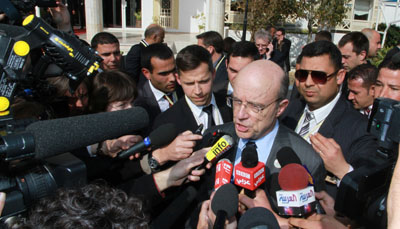
New York, February 24, 2012–Syrian authorities must heed the call issued by more than 60 countries today to stop the ongoing shelling in Syria, and allow medical access and safe passage to the wounded and dead journalists trapped in Homs, the Committee to Protect Journalists said today.
Syria must allow evacuation of dead, wounded journalists
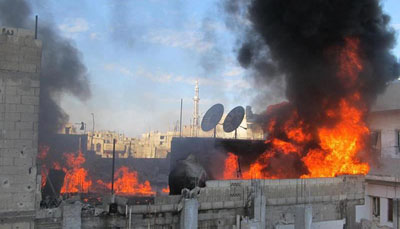
New York, February 23, 2012–The Committee to Protect Journalists demands that Syrian authorities allow safe passage for the evacuation of four foreign journalists trapped in the besieged city of Homs, along with the bodies of Marie Colvin and Rémi Ochlik, two journalists killed in intense government shelling on Wednesday.
Syria must allow aid, evacuation for wounded, dead
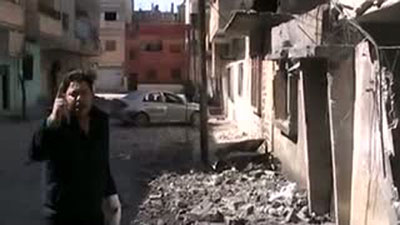
New York, February 23, 2012–Syrian authorities must allow urgent medical aid to reach journalists wounded in the government shelling of Homs on Wednesday, and they must allow immediate evacuation of the dead and injured, the Committee to Protect Journalists said today.

As live streaming expands, challenges intensify
The world lost one of the only direct windows into the carnage in Homs, Syria, when Rami al-Sayed’s video live stream went dark Tuesday. A citizen journalist, al-Sayed was live streaming the Assad regime’s bombardment of Baba Amr and the brutal after-effects when he was struck by shrapnel and bled to death soon after, according…
Attacks on Zaman test EU-Turkey ties
Last week, suspected supporters of the Kurdistan Workers’ Party (PKK), an armed group listed as a terrorist organization by the European Union and the United States, took their confrontation with the Turkish state to Western Europe, attacking the French and German offices of one of Turkey’s most influential newspapers, Zaman.
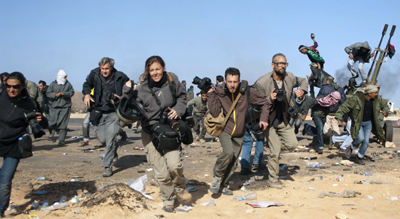
Attacks on the Press in 2011
Trade and the Internet are turning us into global citizens, but the news we need to ensure accountability is often stopped at national borders. China is ramping up censorship, Iran is jailing dozens of journalists, and Turkey is using nationalist laws to stifle critical reporting. In Mexico criminals are dictating the news, while in Pakistan…
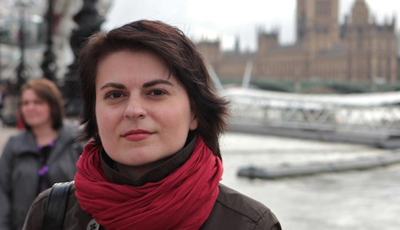
Attacks on the Press in 2011: Profiles in Freedom
How does one negotiate the choice to stay and report potentially dangerous news, rather than take a less risky assignment, leave the profession, or flee the country? The recipients of the 2011 International Press Freedom Awards explain. By Kristin Jones