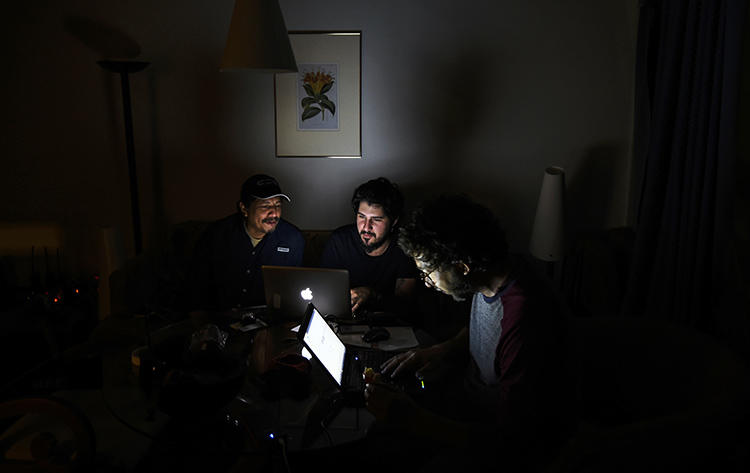
Maduro’s internet blackout stifles news of Venezuela crisis
One of the world’s biggest news stories on March 4 was the daring return to Venezuela of opposition leader and self-proclaimed interim president Juan Guaidó, who faced possible arrest by the authoritarian regime of Nicolás Maduro. But most Venezuelans were unable to follow his homecoming.
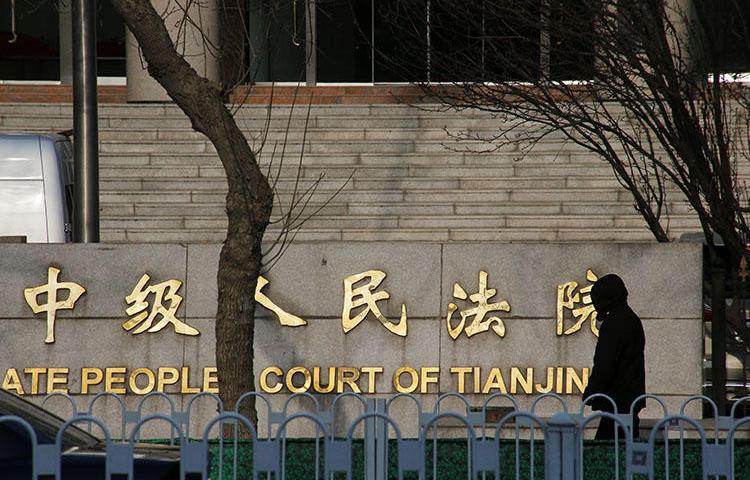
How many journalists are jailed in China? Censorship means we don’t know
Reporting on China’s harassment of journalists has never been easy. Lately it’s been getting much harder, which suggests that conditions for the press could be worsening. At least 47 journalists were jailed in China at the time of CPJ’s 2018 prison census and I am investigating at least a dozen other cases, but the details…
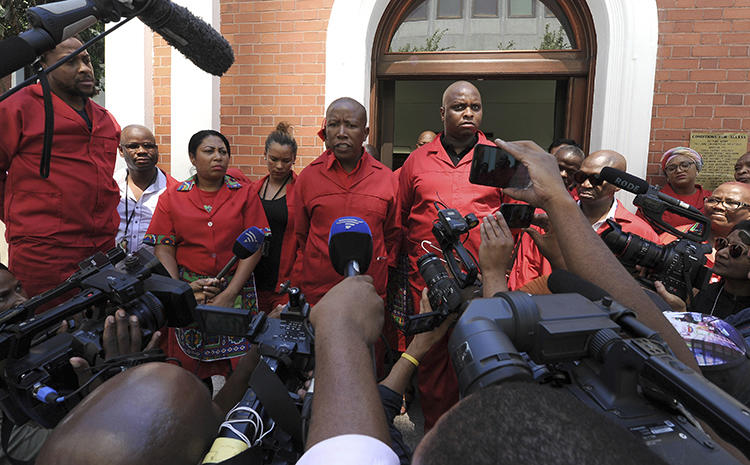
South African journalist doxxed by Economic Freedom Fighters leader, threatened
Washington, D.C., March 8, 2019–The Committee to Protect Journalists today expressed grave concern about threats and harassment against veteran South African journalist Karima Brown–allegedly by supporters of the Economic Freedom Fighters (EFF)–after her phone number was published on Twitter by EFF leader Julius Malema. CPJ also called for the Electoral Commission of South Africa to…
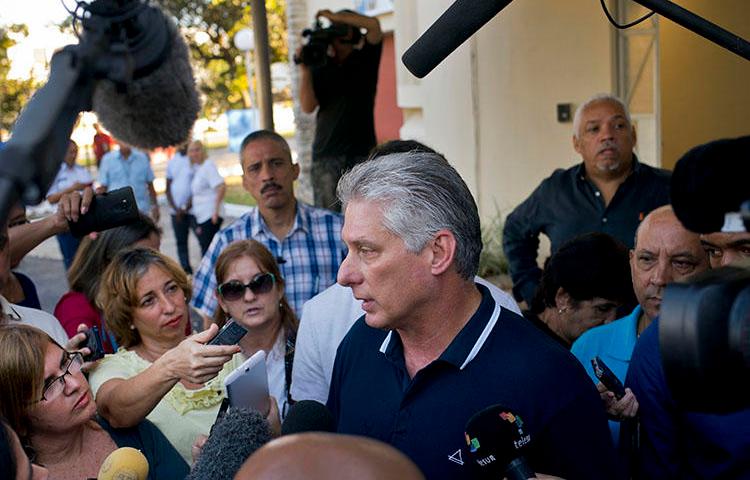
Critical news websites blocked during Cuba referendum vote
Miami, February 25, 2019– Cuban authorities should immediately ensure citizens have access to news websites, the Committee to Protect Journalists said today. Several critical news sites were blocked in the country yesterday, as Cuba held a national referendum on proposed changes to its constitution, news sites reported.

CPJ joins call for Nigeria to ensure internet and social media services remain connected during elections
The Committee to Protect Journalists joined more than 15 rights organizations and the #KeepItOn Coalition to call for Nigerian authorities to ensure that internet and social media services remain connected during upcoming elections, and safeguard internet speeds of websites and messaging applications. In early February, Nigeria’s federal government denied rumors of plans to shut down…
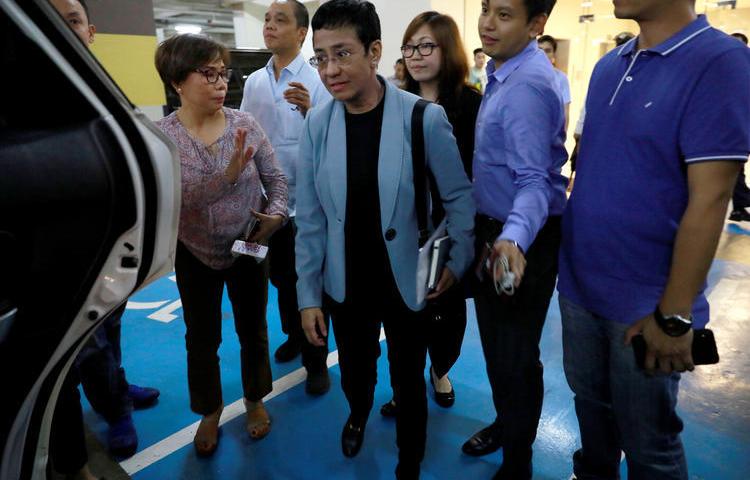
CPJ condemns arrest of Rappler’s Maria Ressa on cyber libel charge
Bangkok, February 13, 2019–The Committee to Protect Journalists today called on Philippine authorities to immediately release and drop all pending charges against Maria Ressa, executive editor and founder of the critical news website Rappler.
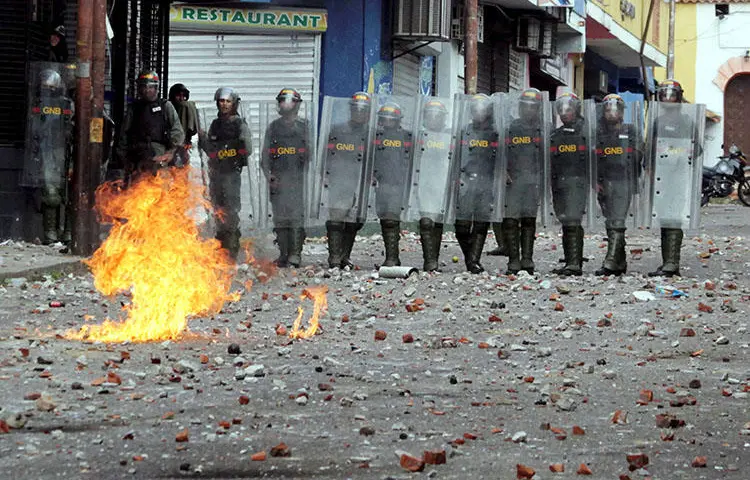
Raids, media shutdowns and internet disruptions amid Venezuela crisis
Miami, January 25, 2019–The Committee to Protect Journalists today called on Venezuelan authorities to stop blocking news outlets and to ensure that access to the internet is available amid the country’s political crisis and widespread protests.

CPJ joins letter expressing concern about proposed cyberspace law in Venezuela
The Committee to Protect Journalists joined more than 30 regional and international rights organizations expressing concern about a proposed law in Venezuela that would expand the powers of the government to control and monitor internet use without institutional checks.
For local female journalists in US, rape threats, stalkers, harassment can come with the beat
In 2016, the FBI told a local TV journalist that she wasn’t safe sleeping in her own home. Her TV station, which covers a major American city, hired an off-duty police officer to guard the parking lot when she arrived at work. Even for a journalist covering organized crime, such measures may seem extreme–but her…
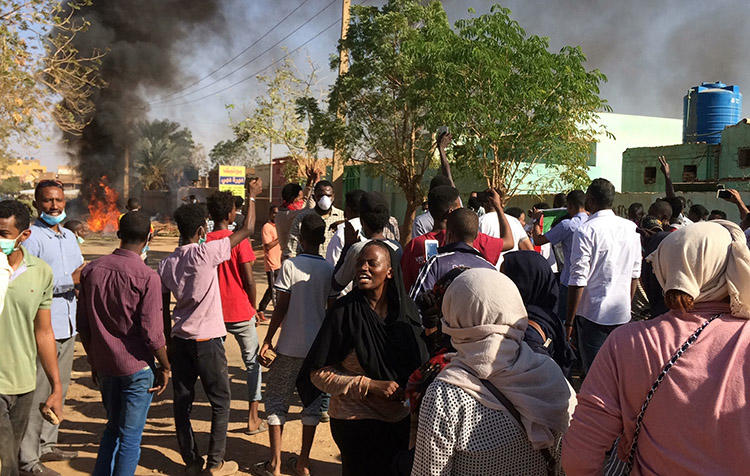
Sudan responds to anti-Bashir coverage with censorship and arrests
“We were all journalists, so we went to work. We wrote about what happened to us that day,” Ashraf Abdelaziz, editor-in-chief of the privately owned al-Jarida daily told me over the phone this week, while recounting how he and his colleagues reported on their own arrest while still in detention.