Violence and Judicial Censorship Mar Brazil’s Horizon
The Brazilian government’s concern for the safety of an American journalist stands in contrast to a dismal performance protecting its own reporters. By Carlos Lauría Demonstrators clash with riot policemen during a protest in Rio de Janeiro’s on June 17, 2013, against the billions of dollars spent preparing for soccer’s World Cup and against an…
Vietnam Tightens the Squeeze on Its Bloggers
A mushrooming blogosphere has challenged the state’s media monopoly, drawing a heavy-handed bid to bring the Internet under government control. By Shawn W. Crispin Blogger Pham Viet Dao attends a conference on social media in Hanoi on December 24, 2012. Dao was arrested on June 13, 2013, on accusations of anti-state activity. (Reuters/Nguyen Lan Thang)
Journalists in Hong Kong and Taiwan Battle Beijing’s Influence
Media owners’ reluctance to draw China’s disfavor imperils the ability of the Hong Kong and Taiwanese press to play a watchdog role. By a CPJ Contributor Popular protests like this one in Taipei on January 1, 2013, helped derail a plan for a wealthy business tycoon with interests in China to buy Taiwan’s largest newspaper.…
Hassan Rouhani and the Hope for More Freedom in Iran
The new president may have limited power to enact change, but the practical needs for communications technology may work in favor of a freer press. By D. Parvaz In his early months in office, Iranian President Hassan Rouhani, pictured in Tehran June 17, 2013, focused primarily on foreign affairs. (Reuters/Fars News/Majid Hagdost)
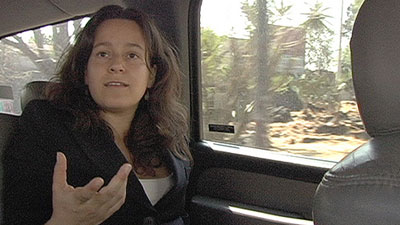
Mexican documentary ‘Presumed Guilty’ finds justice
In the three years since its theatrical premiere, the Mexican documentary “Presumed Guilty” (“Presunto Culpable”) has earned enough headlines to make any film publicist envious. The movie has been banned, disparaged, acclaimed, and the subject of multiple lawsuits. Along the way, it has broken every documentary box office record in Mexico. Now a series of…
Turkish president should veto Internet bill
San Francisco, February 6, 2014–The Committee to Protect Journalists calls on Turkish President Abdullah Gül to veto the Internet bill passed Wednesday by the Turkish Parliament. The bill would grant the Turkish government unprecedented control over the Internet by allowing Web pages to be blocked without a court order, requiring mandatory data retention by Internet…
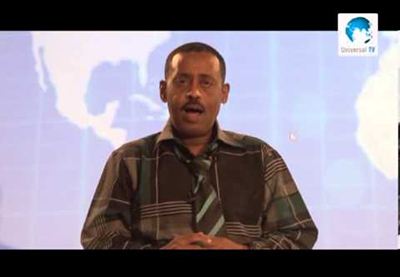
Somaliland authorities ban international broadcaster
Nairobi, February 5, 2014–Authorities from the semi-autonomous republic of Somaliland on Monday indefinitely banned the U.K.-based private broadcaster Universal TV in connection with its critical coverage of the president, local journalists told CPJ. The station has complied with the directive and is not broadcasting in Somaliland, according to news reports.

Turkish Internet bill would deepen press freedom crisis
The Turkish parliament is on the verge of voting on radical censorship measures that, if approved, would allow the government to block individual URLs without prior judicial review, mandate Internet data retention for periods of up to two years, and consolidate Internet Service Providers (ISPs) into a single association, among other changes. If passed, the…