In DRC, journalist briefly kidnapped in Lubumbashi
Four armed men abducted Franck Fwamba, editor of the monthly magazine Mining News, and forced him into an unmarked car at around 6 p.m. on June 6, 2012, in the southern city of Lubumbashi, according to local journalists and the press freedom group Journaliste en Danger (JED).

After Malala shooting, Taliban goes after media critics
Journalists, like many others in Pakistan, have spoken out strongly since the Taliban attempted to kill the teenage Malala Yousafzai on October 9. The Taliban, in return, are threatening the media over their coverage, according to journalists and news reports.
Our Research
CPJ’s work is based on its research, which provides a global snapshot of obstructions to a free press worldwide. CPJ’s research staff documents hundreds of attacks on the press each year. Each case identified as a violation of press freedom is corroborated by more than one source for factual accuracy, confirmation that the victims were…
Syrian journalist kidnapped in Homs
New York, August 15, 2012–Unidentified armed men on Monday kidnapped a correspondent for Al-Alam, an Iranian satellite broadcaster supportive of the Syrian government, the latest incident in a series of abductions and attacks against pro-government media in Syria, according to news reports.
Rebel group releases kidnapped Colombian journalist
Colombian journalist Élida Parra Alonso, who was kidnapped on July 24, 2012, by a local guerrilla group in the northeastern state of Arauca, was released on August 13, 2012, according to news reports. Parra hosts a program for Sarare Estéreo radio station and does community outreach work for Oleoducto Bicentenario, a company constructing an oil…
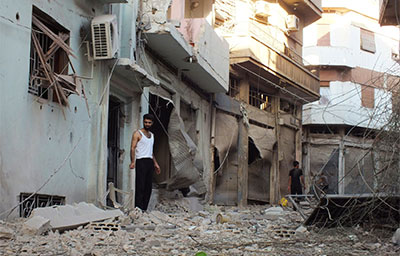
In Syria, wave of deadly attacks against journalists
New York, August 14, 2012–A series of attacks against journalists in Syria over the past two weeks have included the killing of at least three journalists and the kidnapping of several others, the Committee to Protect Journalists said today. Pro-government media have borne the brunt of the recent attacks.
Unknown men abduct radio journalist in Colombia
New York, July 26, 2012–The Committee to Protect Journalists condemns the kidnapping of a Colombian journalist and calls on authorities to secure her safe return. Élida Parra Alonso, who covers children’s rights and hosts a program for Sarare Estéreo radio station, was abducted from her home on Tuesday, according to news reports.