CPJ Impact
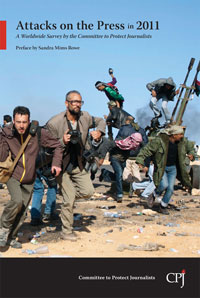
News from the Committee to Protect Journalists, February 2012 ‘Attacks on the Press’ launched Repressive governments, militants, and criminal groups across the globe are leveraging new and traditional tactics to control information and obscure misdeeds, silence dissent, and disempower citizens, according to Attacks on the Press, CPJ’s yearly survey released on February 21, available here.…
Attacks on the Press in 2011: Preface
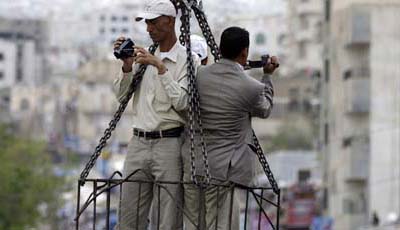
Technology has democratized news publishing, rattling regimes that see their survival dependent on control of information. Video footage of repression from Burma to Syria to Egypt dramatically illustrates the benefits of Internet platforms and social media. Yet the Arab uprisings of 2011 also demonstrate the urgent need for providers and users of digital tools to…
Attacks on the Press in 2011: Abolishing Censorship
Even as trade and new systems of communication turn us into global citizens, the information we need to ensure accountability often stops at national borders. New platforms like social media are valuable tools, but the battle against censorship is hardly over. By Joel Simon
Attacks on the Press in 2011: State Media As Anti-Media Tool
In some Latin American countries, state-owned media are used not only for propaganda but as platforms to smear critics, including journalists. Some elected leaders have even invested in large multimedia holdings to further their agendas. By Carlos Lauría

Attacks on the Press in 2011: In Mexico, Silence or Death Remains the Choice
The Mexican president promised to protect a besieged press corps with a federal protection program, a special prosecutor and new legislation making anti-press violence a federal crime. But Felipe Calderón Hinojosa has failed at nearly every turn. By Mike O’Connor
Attacks on the Press in 2011: Mexico
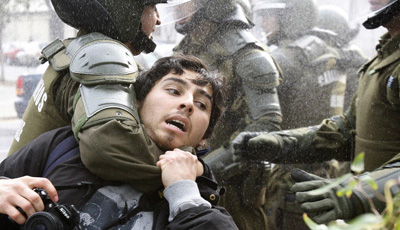
Criminal groups exerted extraordinary pressure on the press as they extended their control over virtually every sector of society. Journalists were killed or disappeared, media outlets were bombed and threatened. Pervasive self-censorship was a devastating consequence of this environment. In an information vacuum, journalists and citizens increasingly used social media to inform their communities. The…