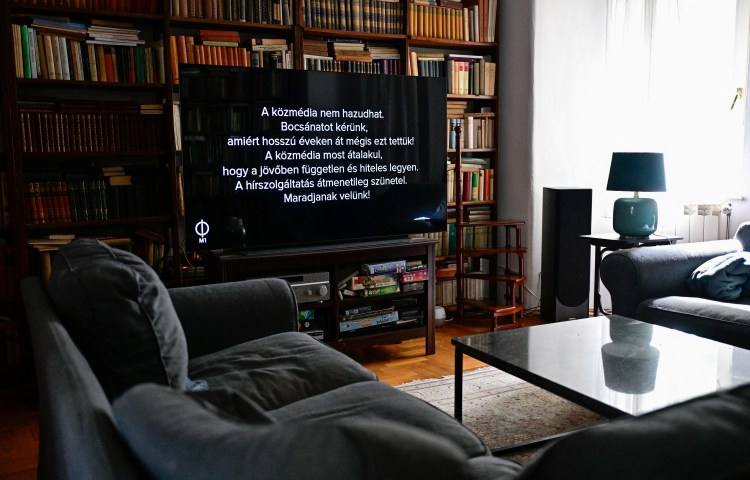
Hungary’s initial media reforms are promising but lasting safeguards still needed
Hungary’s new government has taken promising first steps to restore press freedom after years of state capture under former prime minister Viktor Orbán, but authorities must now move beyond quick fixes to deliver transparent, durable reforms that ensure the media is protected from any and all political interference. After his Tisza party won a landslide…
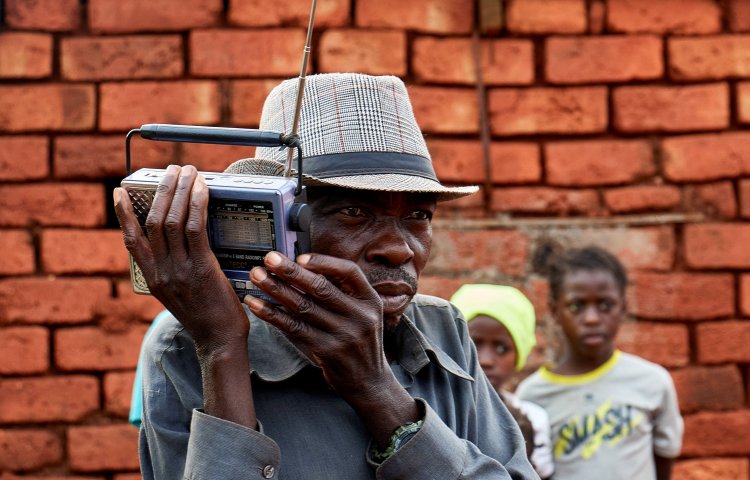
In eastern DRC, journalists face death, arson threats for reporting on war
Government-allied Wazalendo militiamen have threatened to kill or capture one reporter and to burn down another’s radio station because of unfavorable coverage, as frontlines shift under diplomatic pressure for peace in eastern Democratic Republic of the Congo. The Rwanda-backed M23 and Congo River Alliance (AFC) rebels — who made unprecedented territorial gains in early 2025…
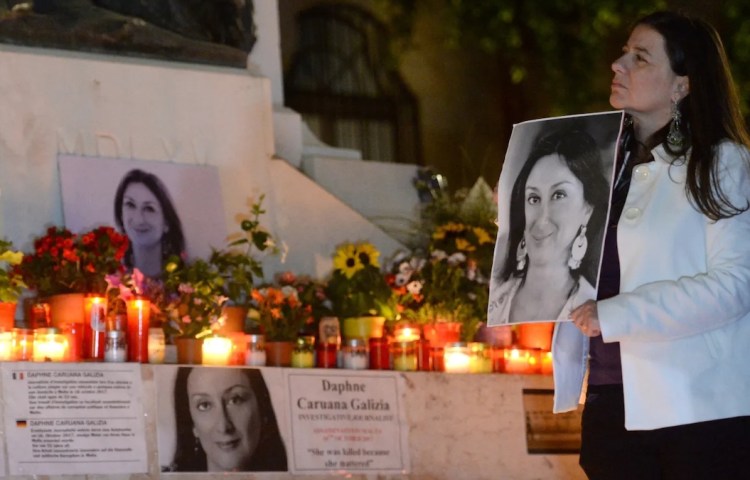
Daphne Caruana Galizia’s murder: Landmark trial puts Malta’s press freedom back in spotlight
More than eight years after the assassination of Maltese journalist Daphne Caruana Galizia sent shockwaves through Europe, all eyes are once again on the capital Valletta, where the alleged mastermind of her murder has been on trial since July 1. Yorgen Fenech, a powerful businessman, is standing trial on a charge of complicity in murder…
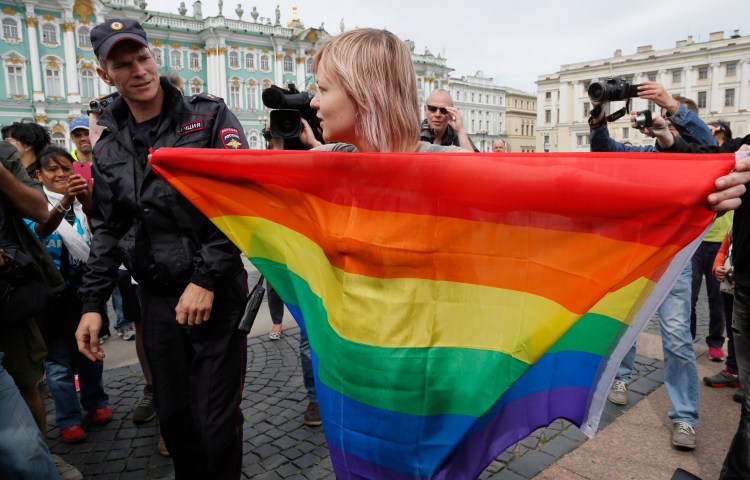
The high price journalists paid for LGBTQ+ reporting, and how to protect yourself now
As LGBTQ+ communities celebrate Pride this June, many journalists continue to face an ugly reality: simply reporting on this community can open them up to prosecution, physical attacks, threats, arrest, exile, and even death. Avijit Roy, a Bangladeshi-born American who blogged about LGBTQ+ rights and free expression, was stabbed to death alongside his wife after…
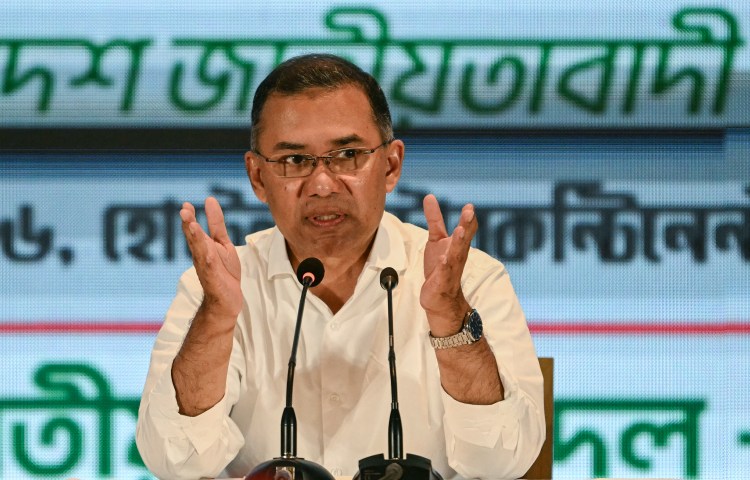
100 days on: CPJ urges Bangladesh’s Tarique Rahman to break the cycle of press repression
After 100 days in office, Prime Minister Tarique Rahman must start living up to his election manifesto pledge of protecting press freedom by breaking the cycle of partisan persecution of journalists in Bangladesh, the Committee to Protect Journalists said. Bangladesh has had three governments in under two years: the administration of long-time leader Sheikh Hasina’s…
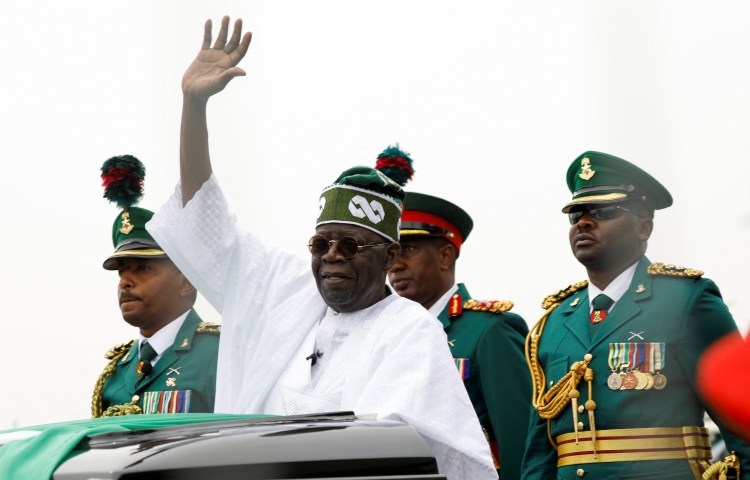
Tracking Tinubu’s tenure: CPJ exposes Nigeria’s media repression reality
In the three years since Nigeria’s President Bola Ahmed Tinubu assumed office on May 29, 2023, journalists have been repeatedly arrested, attacked, and harassed — yet, the government has sought to deny this reality. Vice President Kashim Shettima suggested in February that no journalists have been harassed in Nigeria since Tinubu took office, despite extensive…
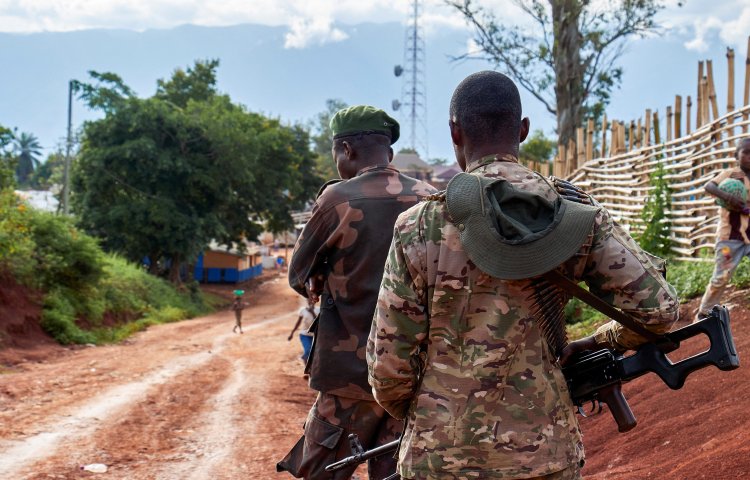
Drones strike radio station in rebel-held DRC, with threat to kill next time
The eastern Democratic Republic of the Congo has joined a growing number of conflicts where drones are being used to target journalists, as two strikes hit a community radio station, followed by calls and messages threatening further attacks over its reporting on militia abuses. The bombing of Radio Tuungane in South Kivu province’s rebel-controlled Minembwe…
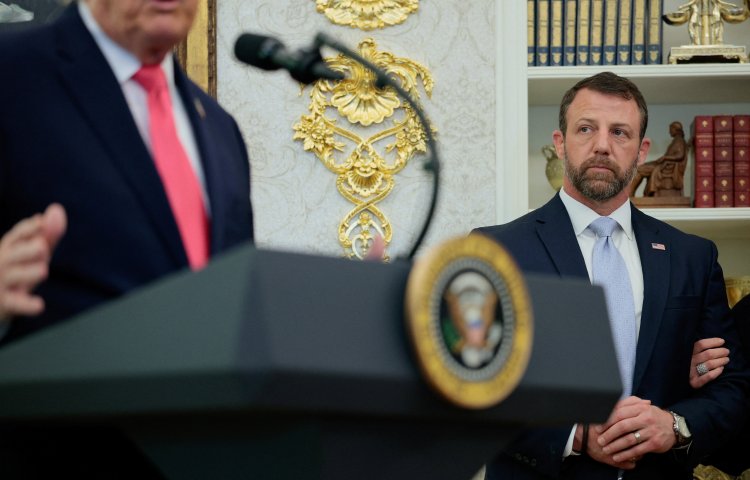
How the Trump administration is using immigration authorities to restrict speech
During President Donald Trump’s second term, immigration authorities under the Department of Homeland Security (DHS) have increasingly used their powers to curb independent and critical reporting. Here are four things you need to know about how immigration agencies have participated in restricting press freedom in the United States: See CPJ’s first-ever travel advisory for journalists entering and…
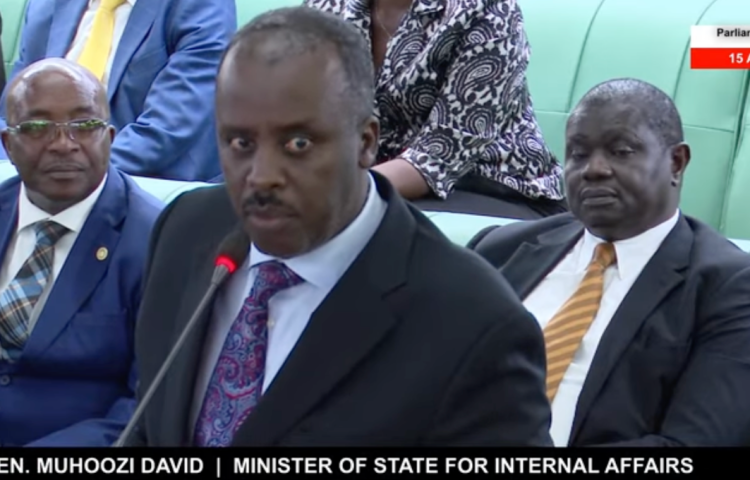
Ugandan journalists face up to 20 years in jail under draconian foreign agents bill
Uganda is set to pass a foreign agents bill, whose sweeping provisions could be used to imprison journalists critically reporting on economics, foreign policy, or elections for up to 20 years, limit foreign media funding to about $100,000, and subject newsrooms to intrusive state oversight. The Protection of Sovereignty Bill says it aims to register…
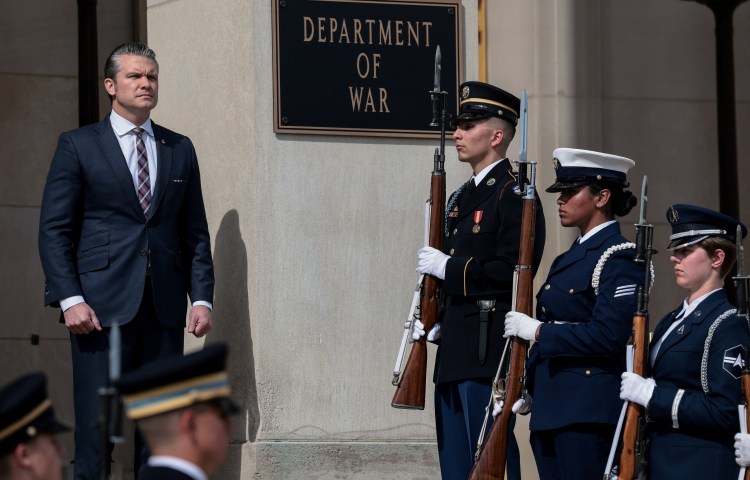
How the Pentagon is trying to control the narrative
The Defense Department oversees the country’s armed forces and commands a nearly $1 trillion budget in 2026. A departure from longstanding norms and Constitutionally guaranteed media access at the Pentagon carries significant implications for press freedom in the United States as well as for public understanding of the impact of U.S. military spending and actions. Here are five things you need to…