Middle East & North Africa

  
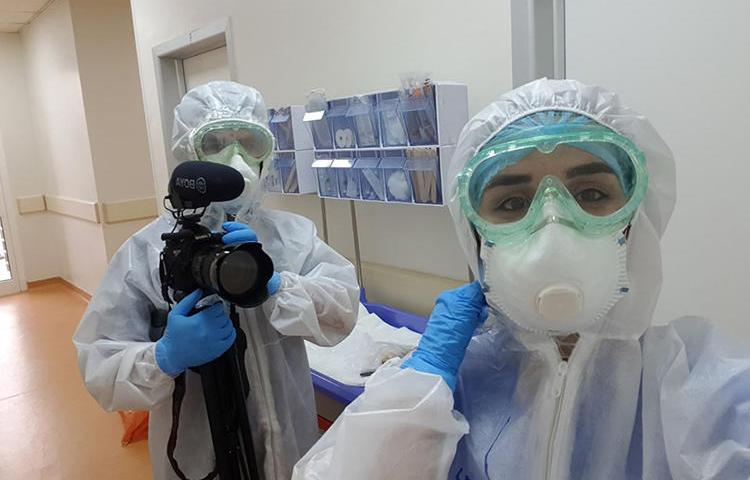
Freelance photographer and videographer Zmnako Ismael (left) is seen covering the COVID-19 pandemic. (Photo via Ismael)

Journalists in Iraqi Kurdistan tell CPJ of obstruction and opportunities covering COVID-19

On May 10, Saman Barzinji, the health minister of the Iraqi Kurdistan regional government, announced that the COVID-19 pandemic no longer posed a threat to the region, and that the area would gradually reopen, according to news reports.

Read More ›

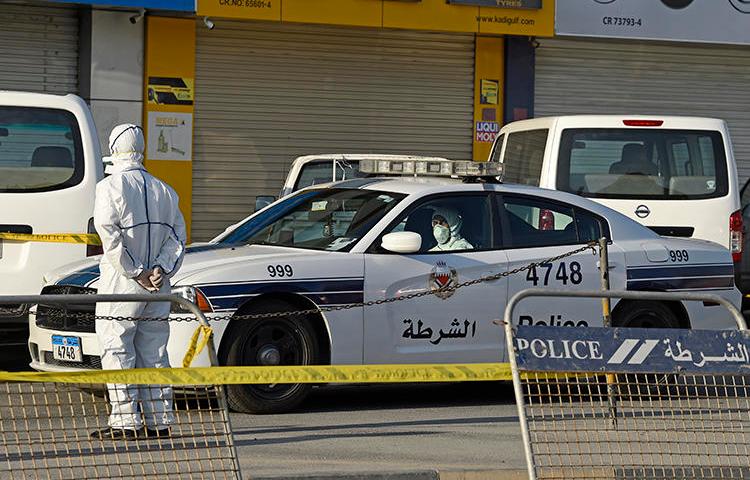
A police cruiser is seen on the outskirts Manama, Bahrain, on March 13, 2020. CPJ joined a letter calling on Bahrain to release all its imprisoned journalists. (AFP/Mazen Mahdi)

CPJ joins letter calling on Bahrain to release all journalists, citing COVID-19

The Committee to Protect Journalists today joined other human rights and free expression organizations in a letter calling on the Bahraini government to release all imprisoned journalists and other political prisoners.

Read More ›

Government Technology Agency staff demonstrate Singapore's new contact-tracing smartphone app called TraceTogether, as a preventive measure against the COVID-19 coronavirus on March 20, 2020. Bill Marczak, an expert in cellphone surveillance technology, told CPJ about the implications for journalists as governments ramp up their capacity to monitor citizens in a time of crisis. (AFP/Catherine Lai)

Expert Bill Marczak: What journalists should know about coronavirus cellphone tracking

Governments all over the world have been considering cellphone surveillance to help track and contain the spread of the coronavirus.

Read More ›

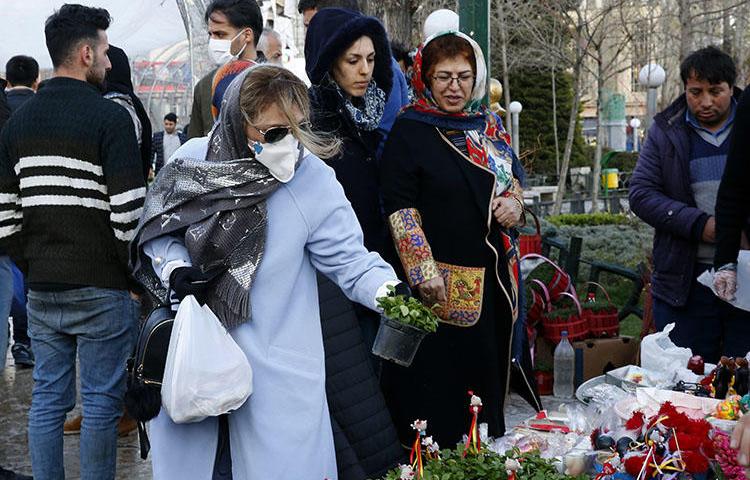
An Iranian woman wearing a protective face mask chooses traditional items ahead of Nowruz, the national New Year celebration, at the Tajrish Bazaar in the capital Tehran on March 19, 2020, despite the heavy death toll due the novel coronavirus in the country. Amid the coronavirus pandemic, the government has covered up crucial information and threatened journalists. (AFP/Stringer)

Amid coronavirus pandemic, Iran covers up crucial information and threatens journalists

In recent months, the stability of the Iranian government has been threatened by widespread protests in late 2019 and the shooting down of a Ukrainian civilian aircraft in January 2020 amid heightened tensions with the U.S. The latest threat is the coronavirus pandemic, which has hit Iran harder than any country except China or Italy.…

Read More ›

An internet cafe manager works on his computer in Tehran, Iran on July 25, 2019. Iranian journalists say monitored connections and technology companies' concerns about U.S. government sanctions are making it harder for them to bypass censorship. (AP/Vahid Salemi)

To cement internet control, Iran helps journalists get online

In early 2020, a journalist in Iran received a form from Iran’s National E-commerce Union, a nominally independent group that is close to the government, requesting their name, the news website they work for, and their IP address. “With all due respect,” it read, “provide the following information to prevent any potential problem during future…
Read More ›

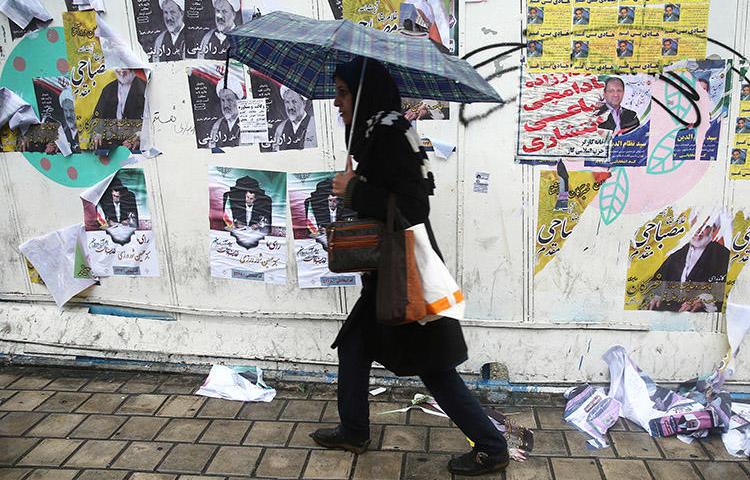
Campaign posters pictured in Tehran on February 20. Ahead of parliamentary elections, authorities increased pressure on Iran's journalists with arrests, detentions and legal action. (Supplied to Reuters via West Asia News Agency/Nazanin Tabatabaee)

Iran harasses, intimidates journalists ahead of parliamentary elections

Elections are always problematic for journalists in Iran, as the government attempts to threaten the press into silence. The parliamentary elections on February 21 are no exception.

Read More ›

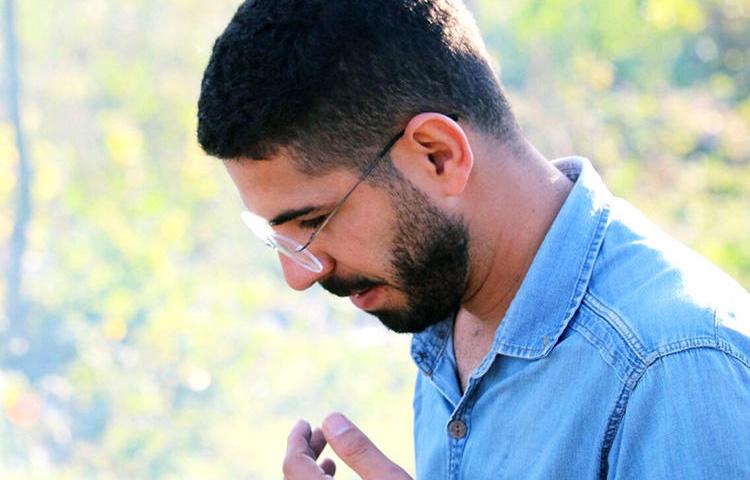
Iranian journalist Pouyan Khoshhal, pictured, fled his home country after being detained for over two months and later sentenced to six years in prison over a single word. (Pouyan Khoshhal)

Iranian journalist imprisoned, fired, and forced into exile over a single word

In October 2018, authorities arrested Pouyan Khoshhal as he drove through the northern Iranian city of Rasht, by the Caspian Sea. The reason for the journalist’s arrest: his use of the word “death” instead of “martyrdom” to describe a Shiite saint in an article for the reformist newspaper Ebtekar.

Read More ›

CPJ
Covers of CPJ's 'Attacks on the Press' books. Starting in 1987, the annual publication acted as a database of press freedom violations. (CPJ/Mustafa Hameed)

CPJ deepens database of attacks on the press

He couldn’t have known it at the time, but when a Moroccan court sentenced editor Mohammed al-Herd on August 4, 2003, to three years in prison, he was emblematic of a new trend, one that would accelerate and continue to the present day.

Read More ›

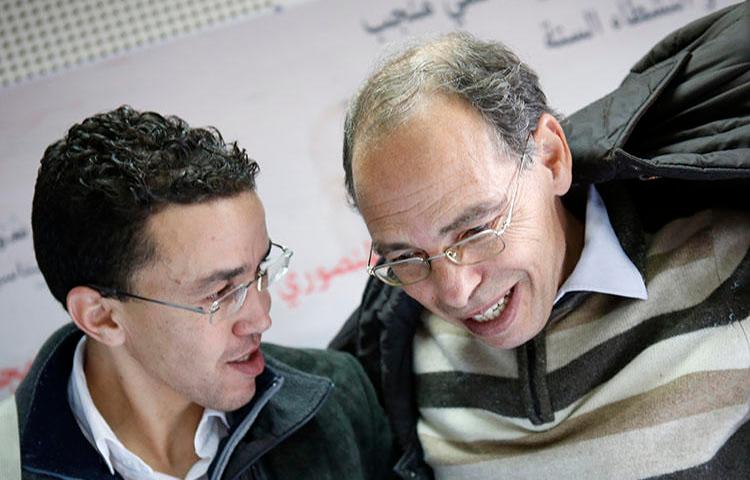
Maati Monjib, right, chats with Moroccan journalist Hicham Mansouri in Rabat, Morocco, January 17, 2016. Amnesty International reported this month that Monjib has been sent malicious messages in an attempt to install spyware on his phone. (AP Photo/Abdeljalil Bounhar)

Q&A: Moroccan press freedom advocate and NSO Group spyware target Maati Monjib

Pegasus, the cellphone spyware tool sold by the Israeli firm NSO Group, is one of the most powerful surveillance systems governments can buy, experts say. Researchers who study it have detected “45 countries where Pegasus operators may be conducting surveillance operations,” and detailed its capabilities: whoever tricks the target into clicking on a link that…

Read More ›

The Egyptian photojournalist Mahmoud Abu Zeid, second right, known as Shawkan, poses for a selfie at his home in Cairo on March 4, 2019. As part of the restrictive terms of his release from prison, the journalist has to spend each night at a police station. (AFP/Khaled Desouki)

Restrictive terms of Shawkan’s release from Egyptian jail highlighted to UN

On October 10, Mahmoud Abu Zeid turned 33. It was the Egyptian photojournalist’s first birthday out of prison since his August 2013 arrest. But in spite of his celebrated freedom in March, the police monitoring conditions of his probation have, in effect, rendered his release obsolete.

Read More ›