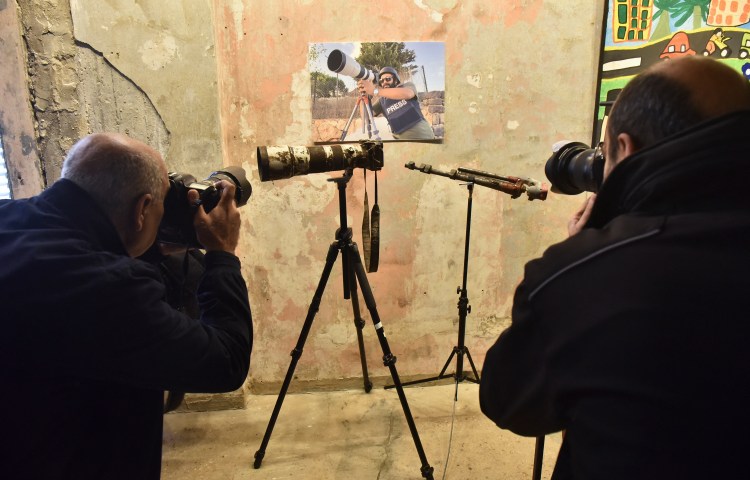
‘I do not feel safe’: The cost of 3 years of Israeli impunity for journalists in Lebanon
When visual journalist Ahmed Chihadeh came under Israeli fire in January 2025 while covering the return of displaced residents to the southern Lebanese town of Houla, he removed his press vest and hid his camera. “After what happened to my colleagues, and after seeing that there has still been no justice for those who were…
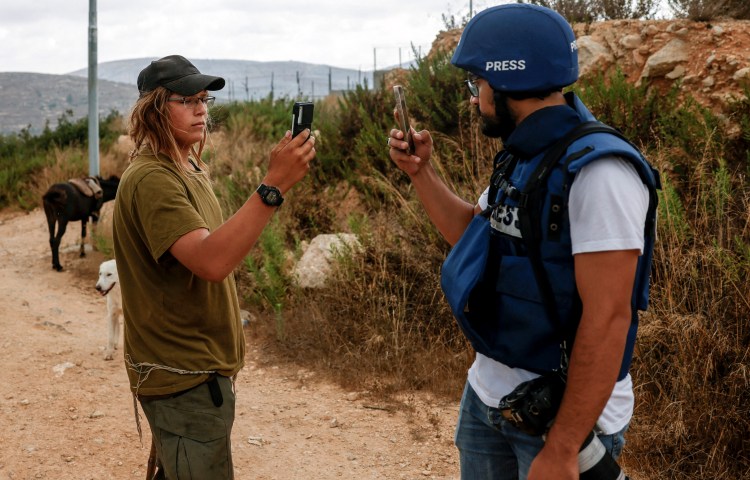
Kicked, threatened, shot at: Israeli settler violence hits West Bank journalists
Palestinian freelance journalist Salman al-Khatib and his colleagues were filming Israeli demolitions of homes in the occupied West Bank late last month when a young settler approached them, blocked their cameras, shoved the journalists, and kicked Al-Khatib. After another settler arrived on the scene, located between the towns of Birzeit and Atara, north of Ramallah,…

German journalist recounts 5-month detention in Syria, urges colleague’s release
On January 18, 2026, German journalist Eva Maria Michelmann and her Kurdish-Turkish colleague Ahmed Polad were detained while reporting from the northern Syrian city of Raqqa, as government forces advanced on the territory controlled by the Kurdish-led Syrian Democratic Forces (SDF). After months of denying knowledge, authorities admitted holding them in custody. Michelmann, who had…
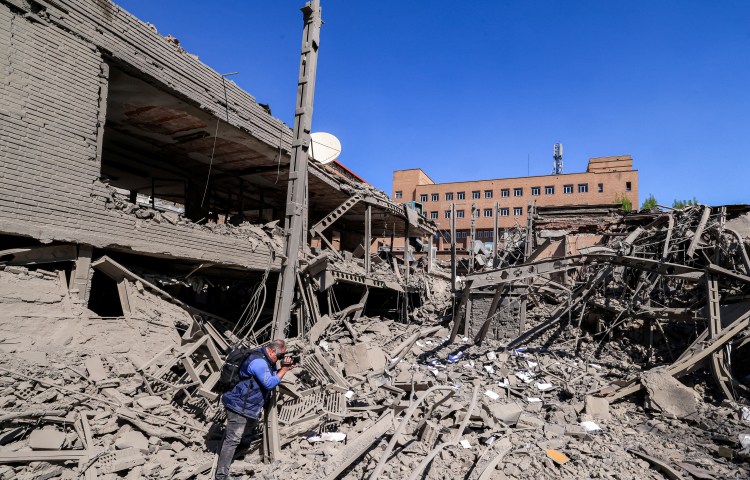
The cost of truth: Inside Iran’s mounting media crackdown
Arrest, prosecution, and censorship have long shaped the media landscape in Iran. Currently, nine journalists are known to be imprisoned for doing their job, including Iranian-American journalist Reza Valizadeh, who was detained in September 2024 and is currently serving 10 years in prison. But members of the press interviewed in August by the Committee to…
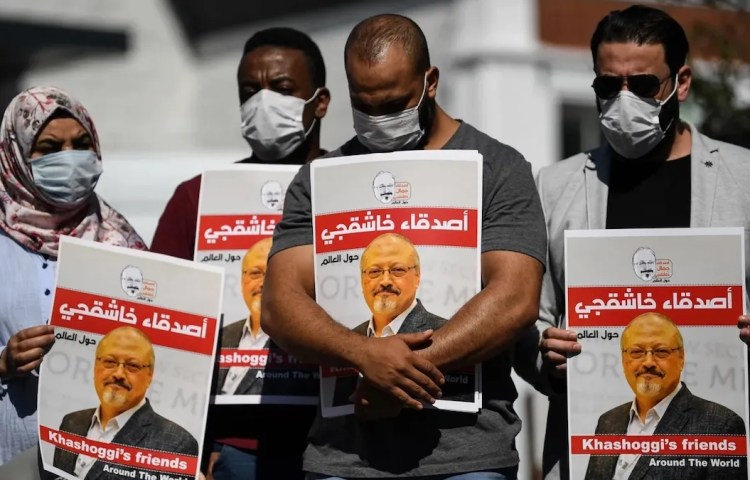
World Refugee Day 2026: Supporting journalists in exile amid transnational repression
World Refugee Day draws attention to journalists who have been forced to flee their home countries due to threats, conflict, or repression. While exile is now recognized as a growing reality for journalists worldwide, the experiences of journalists CPJ supported last year reflect the reality that relocation does not necessarily bring safety. Increasingly, journalists in…

These 6 foreign journalists have been denied entry by Israel
When French journalist Alice Froussard landed at Tel Aviv’s Ben Gurion Airport a week ago, she arrived with a valid travel authorization and plans to report from the occupied West Bank, where she had worked for years. By the next morning, Israeli authorities placed her on a flight back to Paris, denying her entry. She…
Press crackdowns in Gulf spike following Iran war, risk becoming permanent
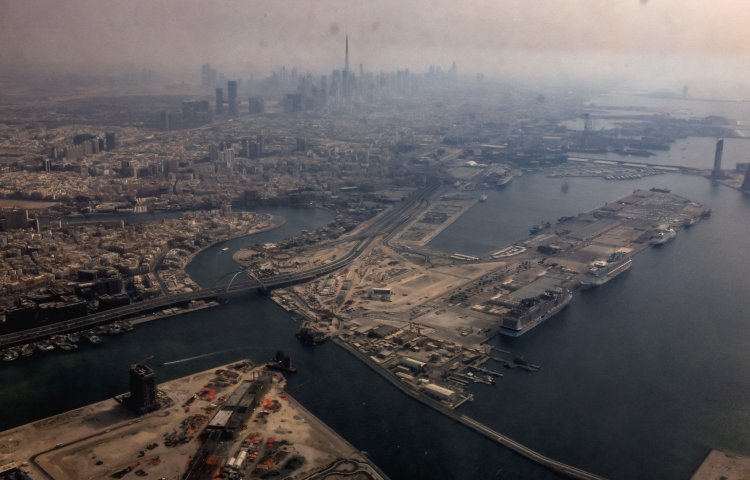
Since the Iran war started late February, CPJ has documented a crackdown on the press across the Gulf and tracked unpublicized cases of arrests, intimidation, and legal and financial actions against journalists and their media outlets. The escalation represents a significant and underreported threat to press freedom in Gulf countries, where free speech was already…
Beyond Decree 54: Tunisia’s latest measures to silence the press
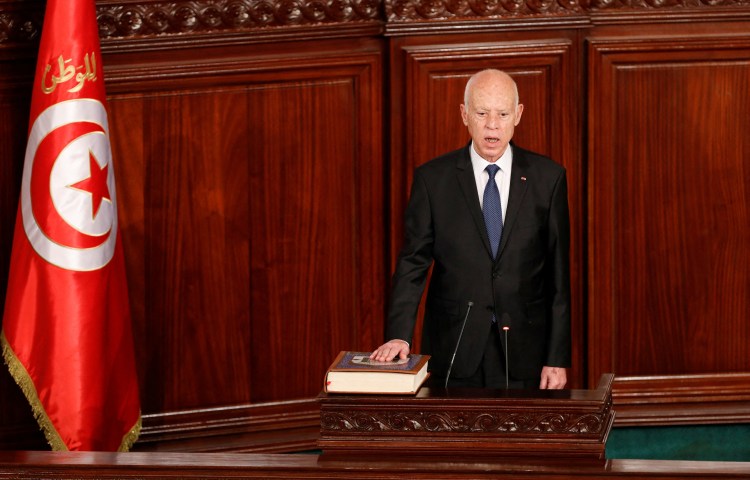
For years, Tunisia was viewed as one of the few post-Arab Spring success stories for press freedom in the region. In the decade following the 2011 revolution, journalists gained greater space to investigate corruption, criticize authorities, and report more openly than anywhere else in North Africa. Those gains, while incomplete, marked a significant break from…
Global press freedom violations during the Iran war
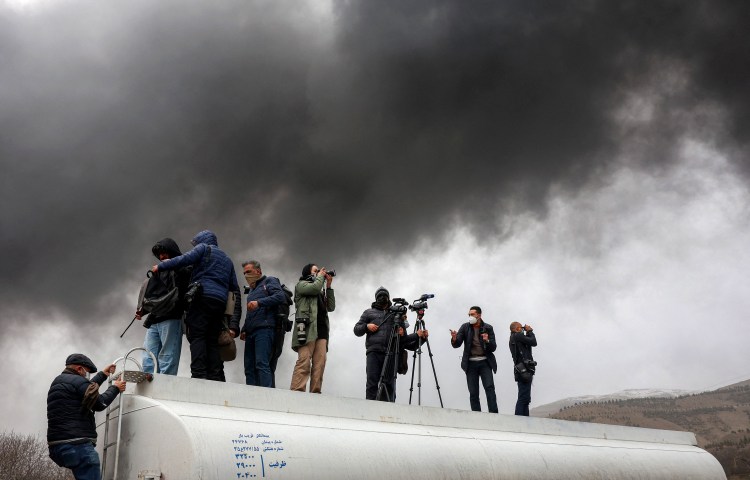
The Committee to Protect Journalists is monitoring press freedom violations related to the ongoing military escalation between Israel, the U.S and Iran and its spillover across the Middle East, including its regional and global impact on journalists and media workers. Since the Iran war broke out on February 28, when the U.S and Israel launched…
Under the radar: Israel steps up censorship and suppression of independent reporting
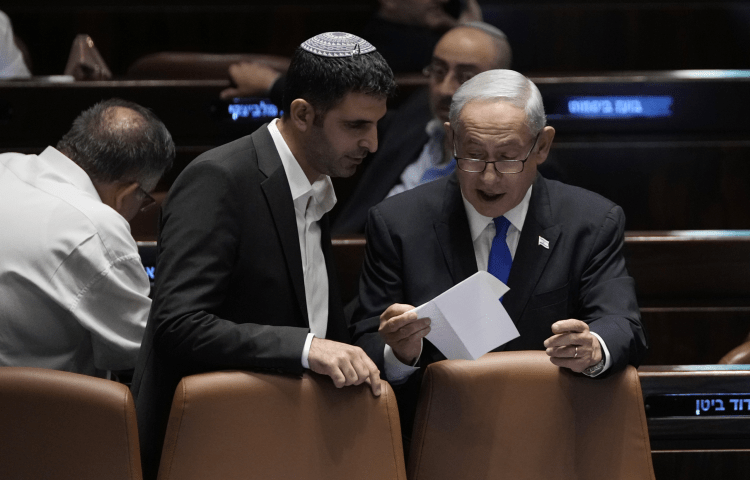
Two years into Israel’s genocide in Gaza, press freedom inside the country has reached a breaking point. Journalists report escalating censorship, harassment, and self-censorship that, they say, now functions as “part of the war effort.” Independent reporting has sharply declined, leaving the Israeli public with a distorted view of the conflict. An October 2025 report…