Uganda
2010
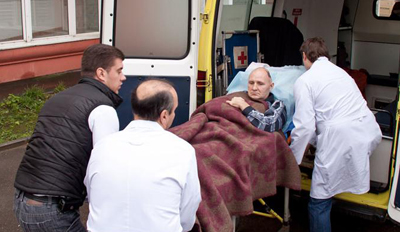
Help journalists in need: An appeal
Mikhail Beketov is lucky to be alive, although I’m sure there are days when he doesn’t think so. On November 13, 2008, the environmental reporter who campaigned against a highway that would have destroyed a forest in Khimki, a town outside Moscow, was beaten nearly to death by men with metal bars. The attackers made…
Uganda lifts ban on CBS, staff celebrates with caution
Full, normal broadcasting of the Ugandan Central Broadcasting Service (CBS)–owned by Uganda’s powerful traditional Buganda kingdom–resumed Monday after nearly 14 months of silence. While CBS staff welcomed their return to work, many recounted a tough year and questioned the nature of the station’s re-opening.
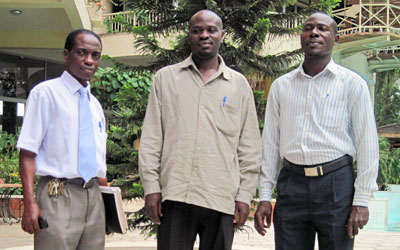
Ugandan station still closed, an ill omen for election
More than a year has passed since the government-influenced Broadcasting Council summarily closed the popular Central Broadcasting Service, or CBS. The council closed the station in September 2009 as riots were erupting in response to the government’s decision to block the traditional Buganda king from attending a youth celebration north of the capital, Kampala. Its…
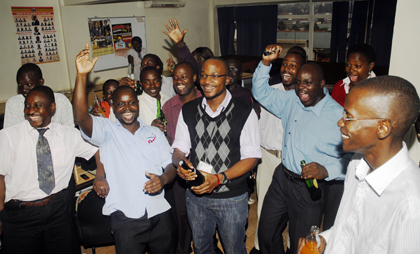
Ugandan media celebrates, fights on after sedition ruling
With surprise and relief, Ugandan journalists, who routinely face the police’s “media crimes” unit, welcomed a partial victory for press freedom on Wednesday. The country’s constitutional court had ruled that criminal sedition was unconstitutional. Even so, there was a consensus that more legal press battles lie ahead.
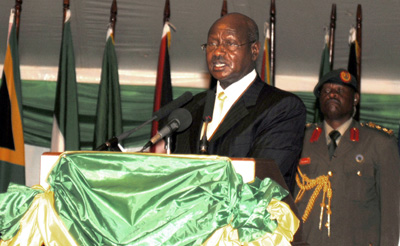
From 9/11 to 7/11, balancing security, liberty
Ugandan President Museveni urged his peers at this week’s African Union summit to unite in the battle against terrorism in the aftermath of the terrible 7/11 bombings in Kampala. Security measures pursued by Ugandan authorities after the twin bombings, however, have left some Ugandans and other East African residents wary. East African journalists were among…
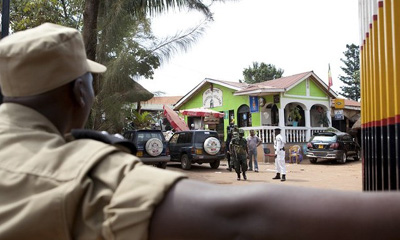
Journalist among dead in Uganda terror attacks
Since the beginning of Somalia’s Islamist extremist insurgency, the Al-Shabaab militia has targeted journalists and others that it considers opposed to its goals. Al-Shabaab is now reaching beyond Somalia’s borders, as the group claimed responsibility for two bomb attacks Sunday evening that rocked Uganda’s capital, Kampala, and left an estimated 74 people dead, including radio…
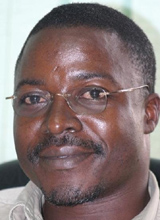
In Uganda, bill challenges press freedom
On March 24, I received an e-mail from a close friend under the intriguing subject “What…?” On opening the e-mail, I discovered my friend was not impressed by two articles in that morning’s newspapers condemning the government’s recent proposal to amend the press law and introduce new restrictions on the publication of newspapers.
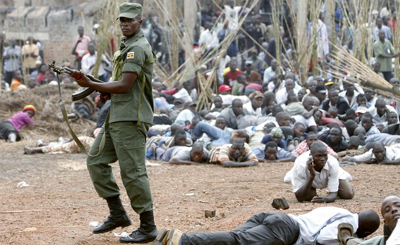
Ugandan photographers take heat after fire at royal tombs
It seemed like déjà vu. Another major protest erupts in Uganda and journalists face the wrath of authorities and the public alike. Tensions between the government and the traditional kingdom of the Baganda, the largest ethnic group based in central Uganda, flared again Tuesday evening after a fire of unknown origin ravaged the tombs of…
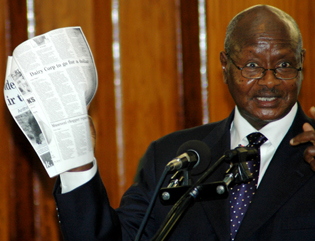
Ugandan plan would punish media for ‘economic sabotage’
Uganda’s anti-homosexuality bill has received considerable international attention, particularly concerning its harsh criminal sanctions, but another piece of repressive legislation threatens to criminalize the activities of another maligned group: the vibrant independent press in this East African nation at the confluence of Africa’s largest lake (Victoria) and the world’s longest river (Nile).
Freedom of information laws struggle to take hold in Africa
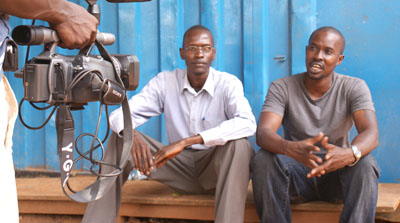
In Uganda, a ruling this week in a landmark case of two journalists seeking to compel their government’s disclosure of multinationals oil deals highlighted the challenges to public transparency just before media leaders, press freedom advocates, officials, and former U.S. President Jimmy Carter gather in Ghana next week at the African Regional Conference on the Right…