Salvadoran news website threatened for its reporting
New York, March 21, 2012–The editor of the Salvadoran news website El Faro says his staff members have been followed after the site reported on a criminal network involving politicians. In addition, he said a senior government official told the staff last week that gang members were angered by coverage of alleged ties between law enforcement…
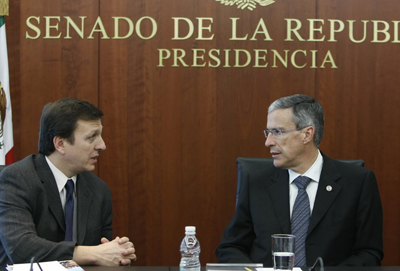
Mexican Senate backs federalizing anti-press crimes
New York, March 13, 2012–The Committee to Protect Journalists hails the Mexican Senate’s landmark approval today of a constitutional amendment that, if passed by a majority of states, would federalize anti-press crimes and transfer investigative powers to national authorities.
CPJ welcomes Mexican anti-press crimes legislation
New York, March 13, 2012–The Committee to Protect Journalists welcomes the Mexican Senate’s approval today of a constitutional amendment that makes attacks on the press a federal offense and calls on authorities to end the widespread impunity for crimes against journalists.

From Small World, timely advice on safe satphone use
Journalists and technologists often speak different languages. But a Portland, Oregon-based nonprofit, Small World News, is bridging the gap with a new guide on the safe use of satellite phones. It comes at a critical time. The group’s Guide to Safely Using Satphones just went online, less than three weeks after the deaths of international…
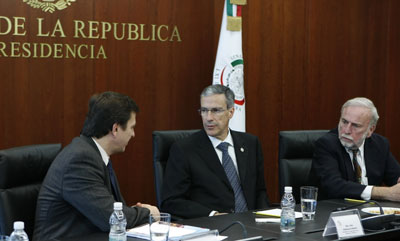
Mexican senators say journalist murders to be federal crime
With near impunity in the murders of journalists a persistent reason for the terror and self-censorship among Mexican news organizations, legislators say the national Senate is on the verge of passing a constitutional amendment that would allow federal authorities to take over cases of crimes against freedom of expression. Passage would mean that the typically…
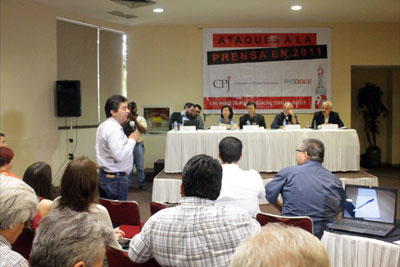
Solidarity in Sinaloa: Journalists, others address crisis
A unified front is crucial when facing a crisis in press freedom like that in the violent state of Sinaloa in Mexico, Colombian journalist and CPJ board member María Teresa Ronderos said this week. She was speaking to a packed room of print, radio, and television reporters; members of civil society groups; state legislators; union…
Online news sites as battleground for Mexican drug war
I’m in Culiacán, the capital of the Mexican state of Sinaloa. Part of my work here has been to investigate and highlight the cyber-attacks that the award-winning weekly local newsmagazine Ríodoce has encountered in its coverage of the violent drugs war here. But discussing the experiences of online editors at other publications here has shown…
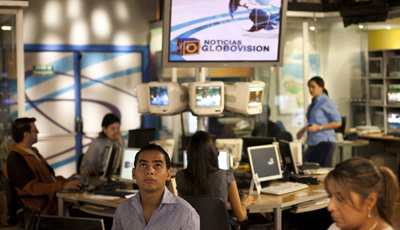
Globovisión journalists attacked in Venezuela
New York, March 6, 2012–The Committee to Protect Journalists condemns Sunday’s attack in Venezuela on Globovisión journalists covering an opposition political rally that came under gunfire. The station reported that assailants, who wore the red shirts associated with supporters of President Hugo Chávez, threatened the journalists and stole their equipment.