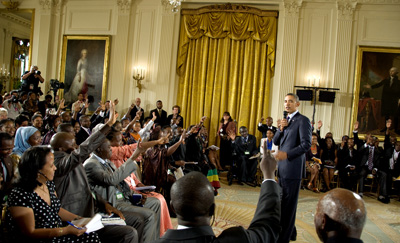
Obama tells Africa forum ‘no reason’ for press restriction
One out of 10 delegates participating this week in U.S. President Barack Obama’s Young African Leaders Forum was a journalist. The forum, a U.S. initiative meant to spark discussions on the future of Africa in a year when 17 countries on the continent are celebrating 50 years of nationhood, did not overlook freedom of the press, as I witnessed in…
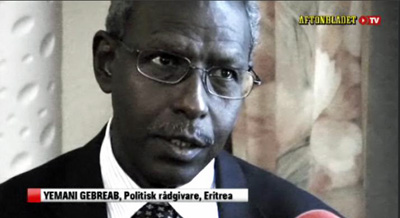
Eritrean official says jailed journalists were security threat
Since a week after September 11, 2001, when the government of Eritrea threw into secret prisons journalists from its once-vibrant private press, the only certainty it has offered about the fate of the prisoners has been ambiguity. Over the years, officials have offered various explanations for the arrests—from nebulous anti-state conspiracies involving foreign intelligence to press law violations. They have…
Ugandan online editor accused of sedition
Nairobi, August 4, 2010—Police accused the online editor of The Ugandan Record, Timothy Kalyegira, of sedition Tuesday and searched his house today, Kalyegira told the Committee to Protect Journalists. The Media Offences Department commissioner of police, Simon Kuteesa, interrogated Kalyegira about two online articles that speculated as to whether the Ugandan government were involved in the July…
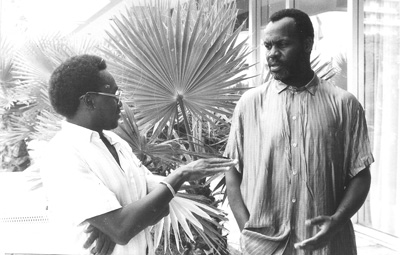
Senegalese press growing against all odds
Fifty years after independence, the profession of journalism seems to have retained its prestige with the general public in Senegal. The Senegalese press is considered one of the most vibrant in Francophone Africa. It benefits from the country’s extensive democratic experience and the existence of a journalism school with a good reputation. Yet, because of the relatively unfavorable economic…
Chad’s vibrant press shook off chains of the state
When Chad proclaimed independence on August 11, 1960, I was still attending primary school and had never heard of journalism. I listened only to music on the radio. But there was euphoria everywhere in Sarh, south of Chad where I lived, and we sang and danced to the frenzied rhythm of “independence tcha tcha tcha”…
In Ivory Coast, old struggles give way to new challenges
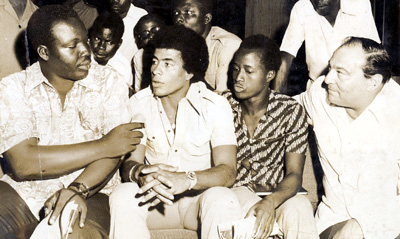
Independence came when I was attending school at the orientation college in Abidjan-Plateau, and when I was still sneaking to listen to the news on my father’s Grundig radio set. Today, I believe that genuine freedom of the press exists in our African countries. In Ivory Coast, for example, the new press law abolished prison…
No Wikileaks, but cocoa piece typifies fight over leaks
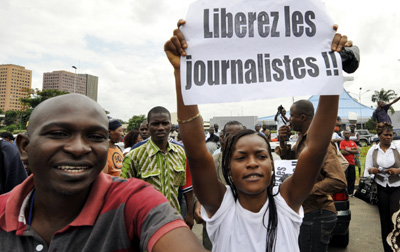
WikiLeaks’ publication of tens of thousands of pages of confidential U.S. military documents on the Afghanistan war has drawn a lot of attention, perhaps overshadowing the many, more common cases around the world in which journalists publish stories based on leaked documents. This week, for instance, three journalists in Ivory Coast were found guilty of…
Congolese journalist under arrest; stations forced off air
New York, July 28, 2010—Authorities arrested a journalist on Tuesday on criminal defamation charges in Kinshasa, in the Democratic Republic of Congo. Hours earlier, in an unrelated incident, armed men briefly forced the city’s three main opposition broadcasters off the air, according to local journalists and news reports.
Judge issues fine, suspension in leaked document case
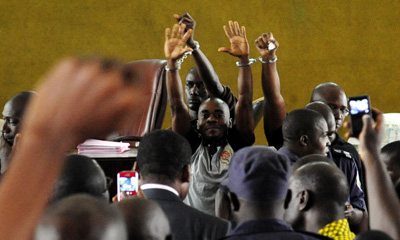
New York, July 27, 2010—An Ivorian judge on Monday ordered the release of three journalists who had been jailed for a story citing a leaked official document, but he imposed a fine and suspension on their newspaper, according to local journalists and news reports.
From 9/11 to 7/11, balancing security, liberty
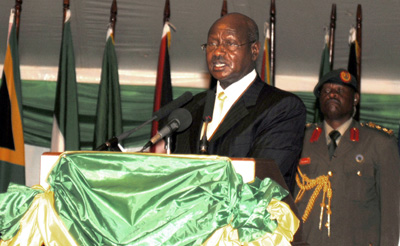
Ugandan President Museveni urged his peers at this week’s African Union summit to unite in the battle against terrorism in the aftermath of the terrible 7/11 bombings in Kampala. Security measures pursued by Ugandan authorities after the twin bombings, however, have left some Ugandans and other East African residents wary. East African journalists were among…