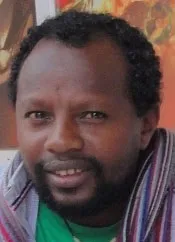
Ethiopia denies Temesghen Desalegn access to medical care in jail
Nairobi, March 16, 2015–Authorities in Ethiopia have denied medical attention to Ethiopian journalist Temesghen Desalegn, who has been imprisoned since October, according to sources close to the journalist. Temesghen Desalegn, owner of the now-defunct newsmagazine Feteh (Justice), is serving a three-year term in Ziway Prison, outside Addis Ababa, on charges of defamation, incitement, and false…
Nigeria police detain, charge journalists for reporting on oil tycoon
Nigerian police arrested Emmanuel Fateman, assistant editor of the Abuja-based National Waves magazine, and Joseph Jolayemi, a graphics editor for the magazine, on December 16, 2014, and held them without charge for more than two months, according to news reports.

Press law debate and journalist’s release signal hope for Burundi’s media
Burundi journalists may have more space to report freely ahead of the country’s controversial elections this year after the legislative assembly pushed for amendments to a draconian press law and a radio director was released on bail.
Ethiopia suspected of spying on independent TV network ESAT
New York, March 10, 2015–The Committee to Protect Journalists is alarmed by research that indicates the Ethiopian government used spyware to monitor journalists at U.S.-based Ethiopian Satellite Television (ESAT) in what appears to be a continuation of surveillance first reported in February 2014.
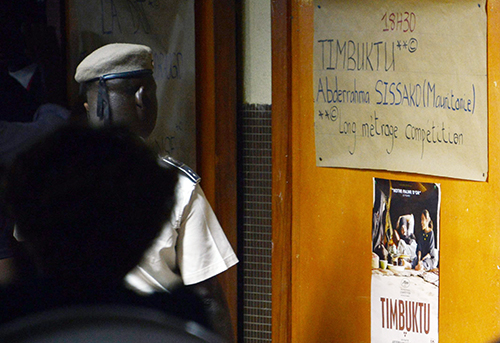
Ban of India’s Daughter and other films silences debate on key issues
What do Delhi, Beijing, and Villiers-sur-Marne have in common, but Ouagadougou does not? The first three recently banned access to films their governments deemed inappropriate. But a film festival in the fourth, the capital of Burkina Faso in West Africa, is stepping up security to show an acclaimed but controversial movie about Islamic militancy in…
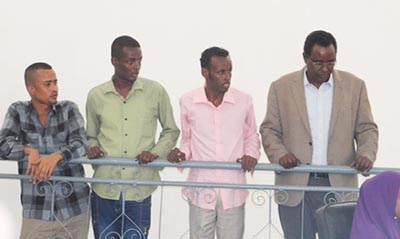
Radio journalists given hefty fines in Somalia, one still detained
Nairobi, March 3, 2015–A Somali court in Mogadishu on Sunday convicted one journalist of public incitement and two others of publishing false news and imposed harsh fines on them, according to news reports. The journalists are out of prison, but a fourth is still being detained, the reports said.
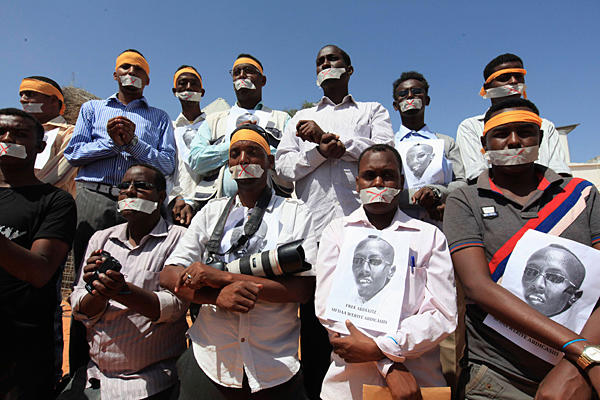
News from the Committee to Protect Journalists, February 2015
First step toward better safety for freelancers News agencies, press freedom organizations, and advocacy groups came together this month to address mounting concerns over the hiring and safety of freelance journalists. While dangers to freelancers have always been present, last year international journalists made up nearly a quarter of journalists killed, about double the proportion…
Mozambique charges journalists investigating rhino poaching
New York, February 20, 2015–Mozambican authorities have charged two international journalists with trespassing and invasion of privacy in connection with their investigation of rhino poaching, according to news reports and one of the journalists. The Committee to Protect Journalists calls on Mozambique to drop the charges and ensure the journalists’ safety.
South Sudan daily Nation Mirror ordered to stop publishing
Nairobi, February 10, 2014–The Committee to Protect Journalists condemns the ban on independent newspaper Nation Mirror, which was ordered to stop publishing by National Security Service agents in South Sudan’s capital Juba, and calls on authorities to immediately reverse the order.
In Uganda, mob assaults radio journalists
A group of about 30 men with clubs attacked journalists Gerald Kankya and Simon Amanyire in the town of Fort Portal in western Uganda on January 23, 2015, Kankya told CPJ. The assailants beat the journalists, breaking one of Kankya’s teeth and bruising his legs and arms, the journalist said. Amanyire escaped without serious injury.