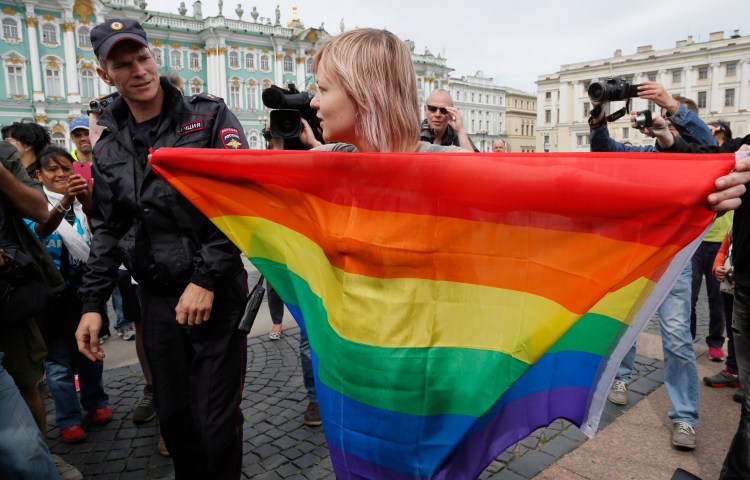
The high price journalists paid for LGBTQ+ reporting, and how to protect yourself now
As LGBTQ+ communities celebrate Pride this June, many journalists continue to face an ugly reality: simply reporting on this community can open them up to prosecution, physical attacks, threats, arrest, exile, and even death. Avijit Roy, a Bangladeshi-born American who blogged about LGBTQ+ rights and free expression, was stabbed to death alongside his wife after…
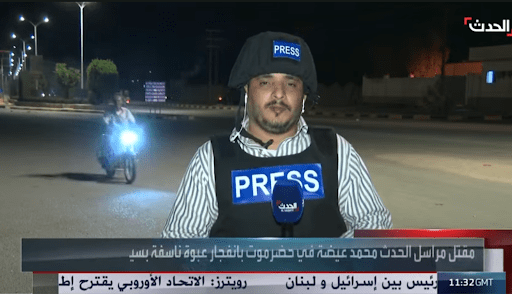
Al-Arabiya correspondent killed by car bomb in Yemen
Washington, D.C., June 25, 2026 — The Committee to Protect Journalists calls on Yemen’s internationally recognized government to conduct an immediate, transparent investigation into Mohammed Aydah’s killing. Aydah, a correspondent for Saudi-owned channels Al-Arabiya and Al-Hadath, was killed on Wednesday when an explosive device detonated under the driver’s seat of his vehicle in the southern…

CPJ, partners call on EU to review approach toward Tunisia amid critical human rights decline
On Friday, the Committee to Protect Journalists and five other press freedom and human rights organizations sent a joint letter to the European Commission President Ursula von der Leyen calling for an immediate change in the EU’s approach toward Tunisia due to a severe human rights decline. The signatories urged von der Leyen to condemn…

CPJ undertakes review of its documentation of journalists killed in Israel-Gaza war since 2023
New York, June 25, 2026—The Committee to Protect Journalists (CPJ) is conducting a full review of its database of journalists killed during the Israel-Gaza War after militant groups Hamas and Palestinian Islamic Jihad (PIJ) published obituaries identifying as combatants individuals previously listed by CPJ as journalists. In all countries and conflicts, CPJ removes names from…
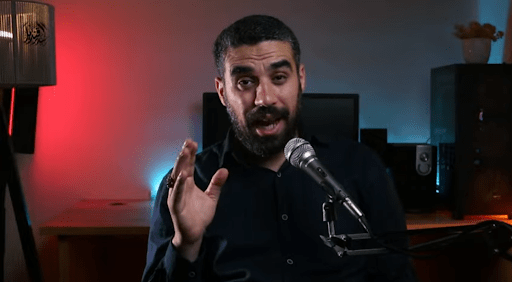
Egypt must account for missing journalist Haidar Qandil
Washington, D.C., June 24, 2026—The Committee to Protect Journalists calls on Egyptian authorities to immediately reveal the whereabouts of prominent journalist Haidar Qandil, who disappeared Monday after leaving his office, according to his family and several media outlets. Freelance Egyptian journalist Iman Adel said in a Facebook post that she had been in contact with…
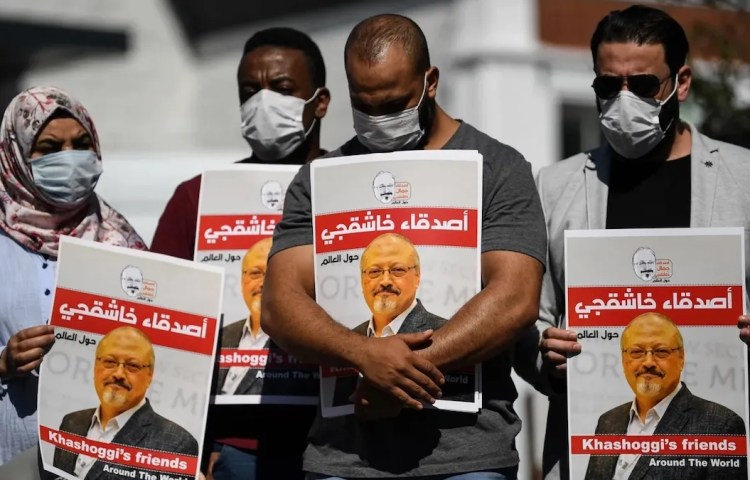
World Refugee Day 2026: Supporting journalists in exile amid transnational repression
World Refugee Day draws attention to journalists who have been forced to flee their home countries due to threats, conflict, or repression. While exile is now recognized as a growing reality for journalists worldwide, the experiences of journalists CPJ supported last year reflect the reality that relocation does not necessarily bring safety. Increasingly, journalists in…

These 6 foreign journalists have been denied entry by Israel
When French journalist Alice Froussard landed at Tel Aviv’s Ben Gurion Airport a week ago, she arrived with a valid travel authorization and plans to report from the occupied West Bank, where she had worked for years. By the next morning, Israeli authorities placed her on a flight back to Paris, denying her entry. She…
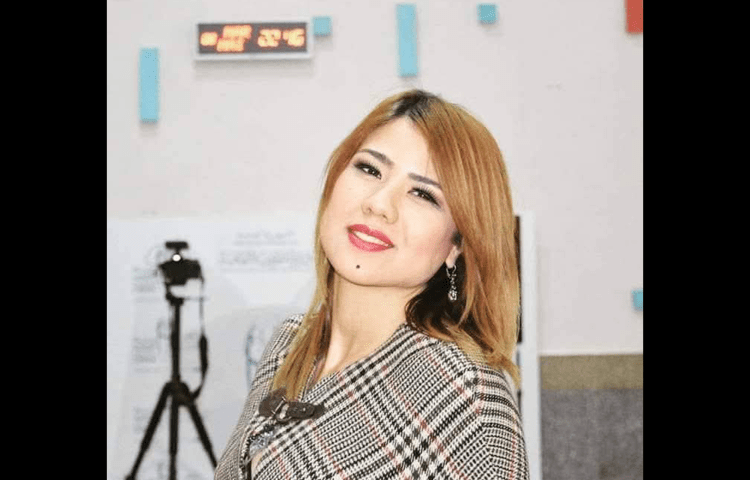
Tunisian journalist Khaoula Boukrim sentenced in absentia to 4 years in prison
New York, June 11, 2026 — Tunisian authorities should immediately overturn the four-year prison sentence imposed in absentia on prominent journalist Khaoula Boukrim, founder of local independent news website TUMEDIA, and stop using cybercrime Decree-Law 54 to prosecute journalists and critics for their reporting and expression, the Committee to Protect Journalists said Thursday. Boukrim, who…
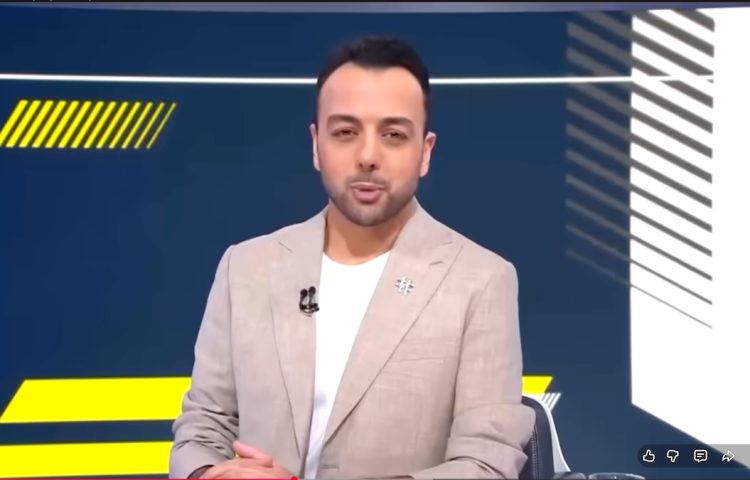
CPJ welcomes conviction of 2 men for attack on Iran International journalist in London
London, June 9, 2026—The Committee to Protect Journalists welcomes the conviction of two Romanian men found guilty of wounding journalist Pouria Zeraati in London in 2024 in a carefully planned attack that prosecutors said was linked to the Iranian state. Zeraati, a prominent news presenter for the Persian-language broadcaster Iran International, was stabbed three times…

CPJ, partners urge EU to push Egypt on rights and press freedom reforms
The Committee to Protect Journalists joined 14 other press freedom and human rights organizations on Monday, expressing concern over Egypt’s failure to show meaningful progress on human rights, democracy, or the rule of law, despite the European Union presenting such progress as a key condition of the €5 billion (US$5.75 billion) macro-financial assistance (MFA) package…