Africa
2011
How to survive in Tanzania’s press
There is one simple rule for survival in Tanzania’s media – whether you are an editor, reporter, columnist, printer, or even news vendor: don’t be critical. Thanks to repressive laws on Tanzania’s books, an article considered libelous by the state can get anyone in trouble, even prominent journalists such as Absalom Kibanda — the chairman…
In Nairobi, plans to improve aid to exiled journalists
Kassahun Yilma left Ethiopia quickly in December 2009. He didn’t have time to save money for the journey, choose a place to go, arrange housing or a job. He left his wife, his mother, his house and all his friends behind. Yilma didn’t know what lay ahead. He only knew that if he stayed, he…
Pursuing justice for Gambia’s Deyda Hydara
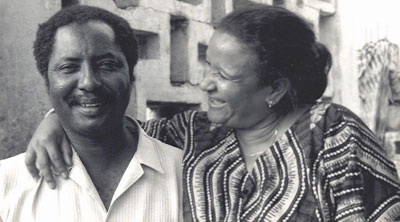
December 16 will be the seventh anniversary of the killing of Deyda Hydara, the dean of Gambian journalism. It is also the 20th anniversary of the first issue of The Point, the courageously independent-minded daily that Hydara founded and directed for many years. He was murdered in a drive-by shooting as he drove himself and…
Mission Journal: Secrets bill spurs South African press
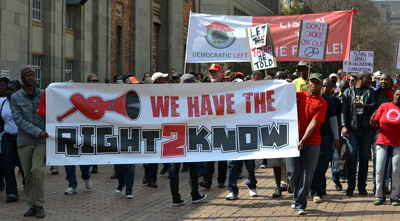
Irrespective of whether South Africa actually implements the most draconian parts of state secrets legislation now under consideration, the media in the continent’s most open democracy already feel under threat. The prospect of 25-year jail sentences for journalists publishing “classified” information has galvanized disparate news outlets and journalists groups to work together like never before.

Awramba Times is latest Ethiopian paper to vanish
A couple of weeks ago, newspaper editor Dawit Kebede, an International Press Freedom award winner, fled Ethiopia. Sadly, Dawit’s Awramba Times is the latest in a long list of Amharic-language private publications to vanish from the market following the incarceration or flight into exile of their editors.

Intimidation or imprisonment by ‘democratic instruments’
Three years ago, I met Minister Bereket Simon at his office at the center of Addis Ababa. I was with my colleague Abiye Teklemariam — who was recently charged with terrorism, treason and espionage along with five other journalists, including myself.
The silent funeral of an exiled Rwandan journalist
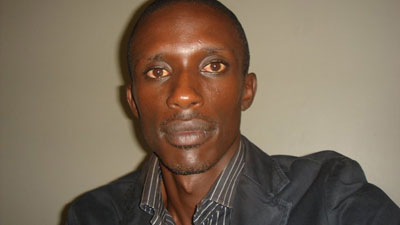
The crime reporter for Uganda’s vibrant Daily Monitor, Andrew Bagala, went to an odd funeral over the weekend. Last week, he covered the murder of online journalist Charles Ingabire, 32, who was shot dead in the early hours of Thursday morning by unknown gunmen at a bar in a Kampala suburb. “I decided to follow…

Solomon Abera, who voiced end of Eritrean free press, dies
The name Solomon Abera will forever be etched in the collective memory of Eritrea’s press corps. On September 18, 2001, as the world focused its attention on the terrorist attacks on the United States, the government of Eritrea borrowed Abera’s voice to sound the death knell, on state-controlled airwaves, of the Red Sea nation’s independent…
Justice pins Gbagbo, but not yet Ouattara’s forces
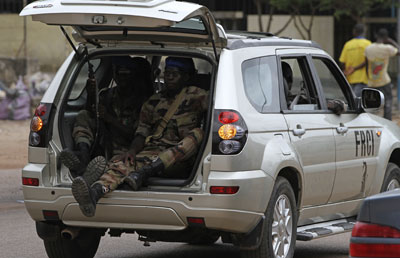
This week, former Ivory Coast ruler Laurent Gbagbo was extradited to the Hague to account for alleged human rights violations before the International Criminal Court. Justice appears to be slower in coming to rival fighters loyal to current President Alassane Ouattara. According to CPJ research, Ouattara’s forces have been involved in the deaths of two…
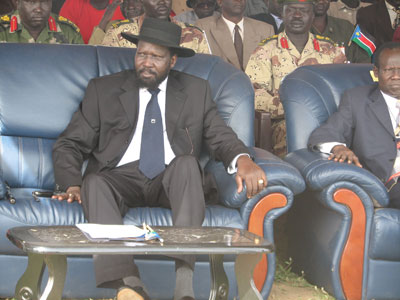
South Sudan journalist speaks out after illegal detention
Detained without charge for 18 days, tortured, and released without explanation, South Sudanese journalist Peter Ngor plans to fight back. “I am going to sue them [in] court. What they did to me was completely, utterly wrong,” said Ngor, the editor of a new, private, English-language daily called Destiny. Still, Ngor believes that his illegal…