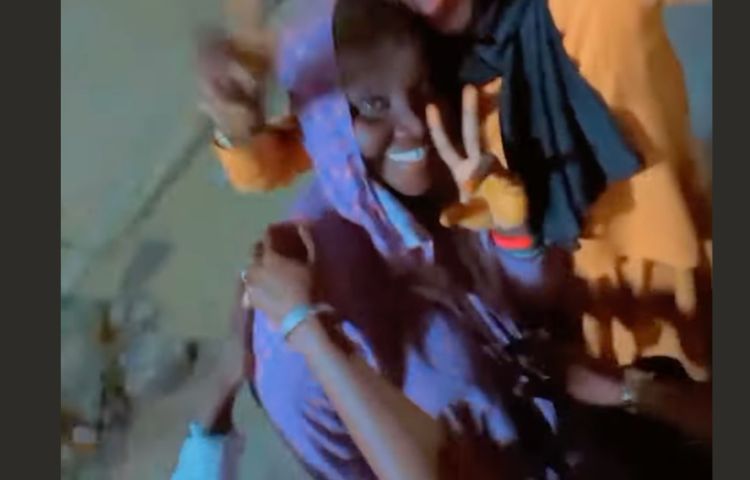
CPJ calls on Senegal’s presidential candidates for press freedom reforms as 5 journalists freed
Dakar, March 19, 2024—Presidential candidates in Senegal’s elections on Sunday should commit to decriminalizing journalism and dropping all legal proceedings against journalists, the Committee to Protect Journalists said Tuesday. Senegalese are due to vote on March 24, with 19 candidates vying to lead the country, after a last-minute delay to the poll in February triggered protests. The current president, Macky Sall,…
Safety resources for covering protests in Senegal
You can download these safety cards as images or PDFs in English and français. As Senegalese security forces sought to quell protests in February after the postponement of the presidential election, CPJ documented how at least 25 journalists reporting in the capital, Dakar, were physically attacked, briefly detained, targeted with tear gas, or harassed by police. In response, CPJ has…
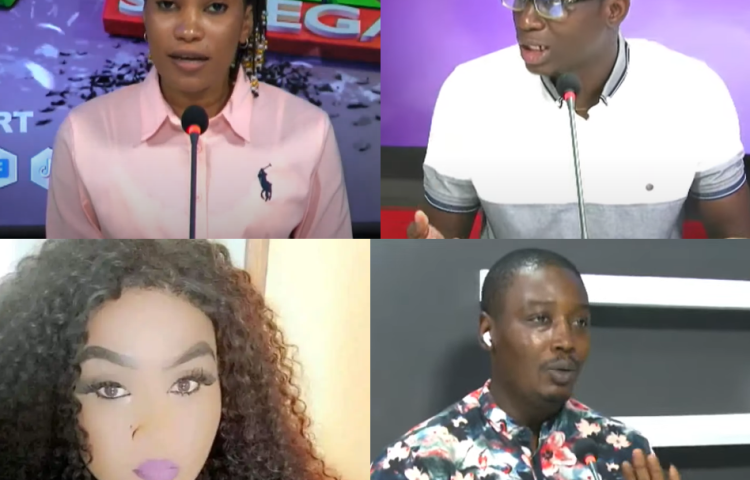
Record number of journalists in Senegal’s jails amid political turmoil
Senegalese reporter Ndèye Maty Niang, also known as Maty Sarr Niang, would have likely jumped at the chance to report on the political crisis gripping her country since the president postponed elections in early February. But Niang can’t cover the news – she’s in a women’s prison awaiting trial. She’s not alone: Niang is one…
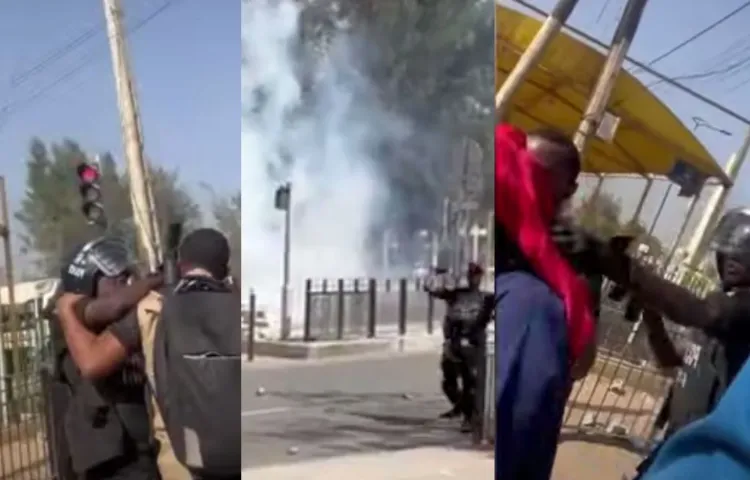
At least 25 journalists attacked, detained, or tear gassed in Senegal protests
Dakar, February 14, 2024—Senegalese authorities must identify and hold accountable police officers who attacked, harassed, and tear gassed or detained at least 25 journalists reporting on protests over the country’s delayed poll and allow the press to report the news safely and without fear of intimidation, the Committee to Protect Journalists said on Tuesday. “Police…
CPJ welcomes West African lawsuit against Senegal internet shutdowns
New York, February 13, 2024—The Committee to Protect Journalists welcomes the recent lawsuit filed against Senegal at the Economic Community of West African States (ECOWAS) Court of Justice challenging Senegal’s internet shutdowns in 2023 and seeking to prevent further shutdowns in the country. “The case brought against Senegal at the ECOWAS court is an important…
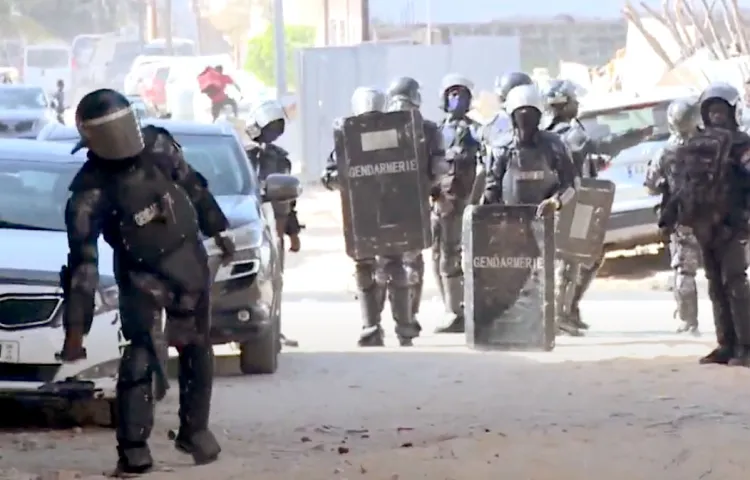
Senegal delays election, authorities cut mobile internet, revoke Walf TV’s license, harass journalists
Dakar, February 5, 2024—Senegalese authorities must restore mobile internet access in the country and the broadcasting license of Walf TV, investigate and hold accountable those responsible for briefly detaining or harassing at least four journalists, and allow the press to report freely, the Committee to Protect Journalists said on Monday. On Saturday, Senegalese President Macky…
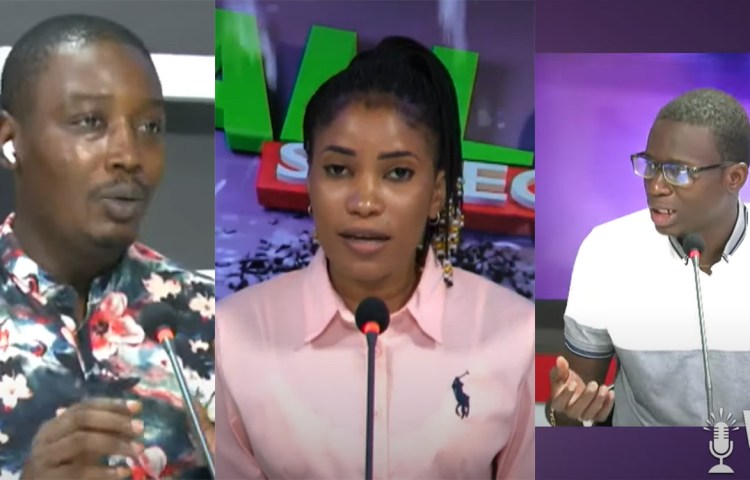
Four Allô Sénégal journalists detained, charged with defamation and incitement following minister’s complaint
Dakar, December 20, 2023—Senegalese authorities should unconditionally release four journalists from the online news outlet Allô Sénégal, who are detained on defamation and incitement charges, and stop criminalizing the work of the media, the Committee to Protect Journalists said Wednesday. Agents from the Criminal Investigations Division (DIC), a branch of the Senegalese police, arrested six…
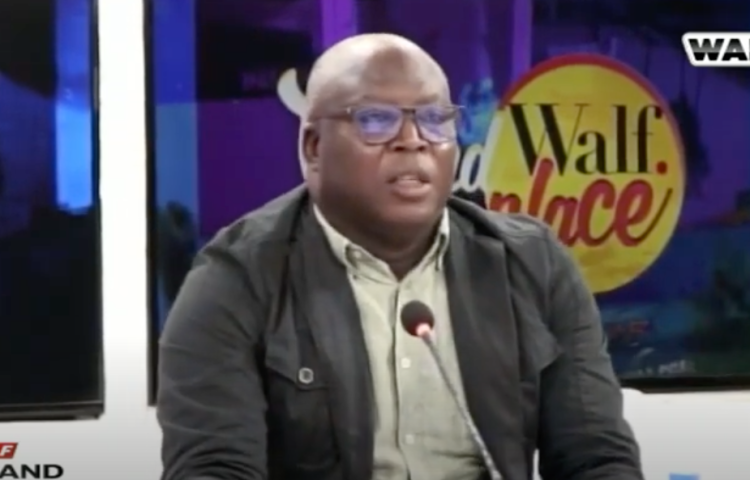
Senegalese journalist Pape Sané detained on false news accusations
Dakar, November 16, 2023—The Committee to Protect Journalists calls on Senegalese authorities to release Walfadjri press group journalist Pape Sané, who was arrested November 13 on false news accusations, and drop all legal proceedings against him. “Pape Sané’s arrest is just the latest in a series of attacks by authorities against the Walfadjri media group…
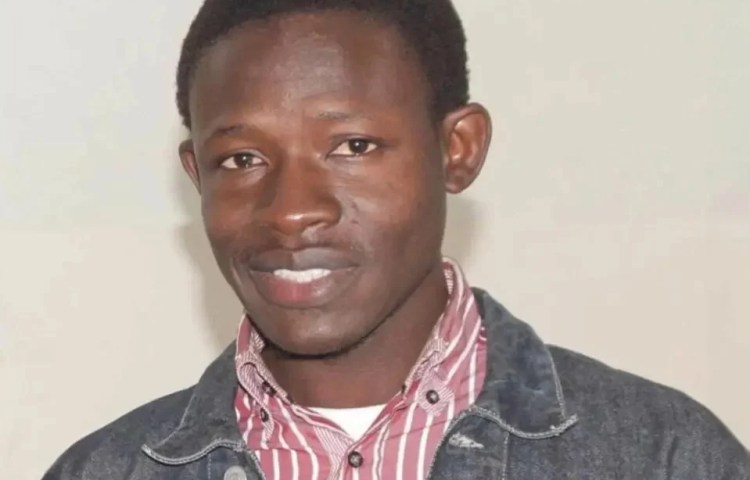
Senegalese journalist Abdou Khadre Sakho detained on false news allegations
Dakar, August 15, 2023—In response to the detention Tuesday of Senegalese journalist Abdou Khadre Sakho for allegedly spreading false news, the Committee to Protect Journalists issued the following statement calling for his release: “Senegalese authorities should immediately release Abdou Khadre Sakho and drop all legal proceedings against him and other journalists being targeted for their…
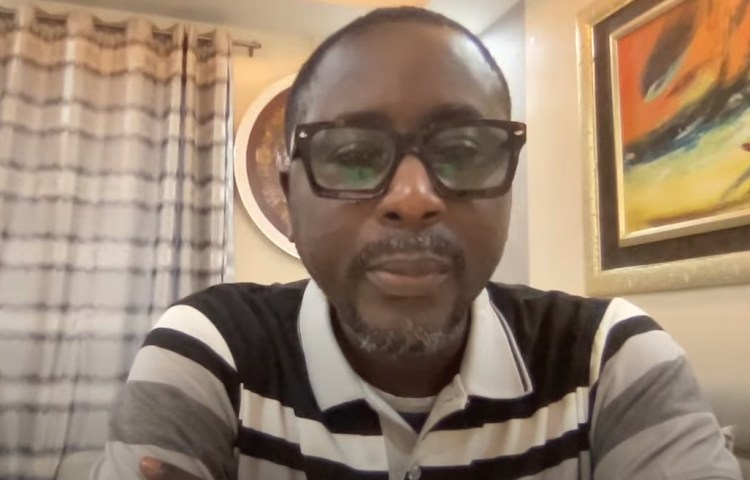
Senegalese journalist Pape Alé Niang released after hunger strike, Maty Sarr Niang remains jailed
Dakar, August 08, 2023 – The Committee to Protect Journalists on Tuesday welcomed the release of journalist Pape Alé Niang, but called for charges against him to be dropped and for Senegalese authorities to unconditionally release journalist Ndèye Maty Niang, also known as Maty Sarr Niang. “The release of journalist Pape Alé Niang is a…