Amid clampdown, another blogger sentenced in Vietnam
Bangkok, March 19, 2014–In a mounting clampdown on Internet freedom in Vietnam, blogger Pham Viet Dao was sentenced to prison today for online posts critical of the Communist Party-led government, according to news reports. The Committee to Protect Journalists condemns the ruling and calls for his immediate release.
Egypt hands jail term to journalist, holds others in custody
New York, March 17, 2014–The Committee to Protect Journalists condemns the one-year prison sentence given today to Samah Ibrahim, a reporter for the Muslim Brotherhood’s Freedom and Justice newspaper. Ibrahim is one of at least 10 journalists imprisoned in the country, according to news reports and CPJ research.
Passage of Burma media bill would reverse free press gains
Dear President Thein Sein: We are writing to express our concern about shrinking press freedom in Burma and urge you to veto media legislation that was passed this month by your country’s parliament. The bill, which awaits your signature, maintains a censorship role for state authorities and threatens to reverse several of the gains achieved to date under your democratic reform program.
CPJ condemns journalist’s conviction in Azerbaijan
New York, March 17, 2014–The Committee to Protect Journalists condemns a five-year jail term given today to Tofiq Yaqublu, an Azerbaijani journalist with the opposition daily Yeni Musavat, and calls on authorities to overturn the verdict on appeal. Yaqublu, who was convicted of “organizing mass disorder,” was arrested in January 2013 in connection with anti-government…
FCCC survey finds China abuses press card, visa process
The Foreign Correspondents’ Club of China (Beijing) published the findings of its annual visa survey last week. The findings are grim but come as no surprise following the Chinese government’s showdown late last year with members of the foreign press.
Burma clampdown gathers pace as legislation passed
In a clear step backwards for press freedom in Burma, new legislation will give the government censorship powers and the sole authority to issue and revoke news publication licenses. While the legislation enshrines into law broad press freedom guarantees, specific provisions will give the Ministry of Information ultimate power over what news is permissible for…
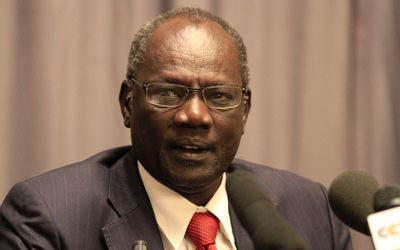
South Sudan government warning: Don’t interview rebels
Last week, South Sudanese Information Minister Michael Makuei warned reporters in the capital, Juba, not to interview the opposition or face possible arrest or expulsion from the country. According to the minister, a lawyer by profession, broadcast interviews with rebels by local media are considered “hostile propaganda” and “in conflict with the law.”