CPJ condemns blocking of news websites in Russia
New York, March 13, 2014–The Committee to Protect Journalists is alarmed by the blocking today of independent and pro-opposition news websites in Russia, including Ezhednevny Zhurnal, Grani, Kasparov, and the website of the liberal radio station Ekho Moskvy. The popular blog of anti-corruption activist Aleksei Navalny and the personal blogging platform LiveJournal were also blocked.
More journalists obstructed on the job in Crimea
New York, March 13, 2014–Journalists covering the ongoing crisis in the southern Ukrainian autonomous republic of Crimea continue to be detained, harassed, and obstructed, according to news reports. The Committee to Protect Journalists calls on all sides of the crisis to allow journalists to report freely on the events in Crimea and Ukraine.
Syria, the most dangerous place for journalists
Three-year anniversary of the Syrian uprising New York, March 13, 2014–Syria ranks as the most dangerous country in the world for journalists, according to the Committee to Protect Journalists. Since the start of the bloody uprising against President Bashar al-Assad, at least 65 journalists have been killed, more than 80 have been abducted, and approximately…
CPJ alarmed by threats against RSF Mexico correspondent
New York, March 13, 2014–The Committee to Protect Journalists is concerned by threats made against Balbina Flores Martínez, Mexico correspondent for the international press freedom organization Reporters Without Borders. On Wednesday, Flores received a series of telephone calls in which she was told that someone had been hired to “harm her,” according to news reports.
Rouhani has yet to deliver on press reforms in Iran
CPJ joined 26 other human rights and civil society groups on Wednesday in an open letter calling on the member states of the U.N. Human Rights Council to renew the mandate of Ahmed Shaheed, the special rapporteur on the situation of human rights in Iran. The public letter also urged the members to participate in…
CPJ condemns Ukraine’s order to take Russian TV off air
New York, March 12, 2014–The Committee to Protect Journalists condemns a decree by Ukraine’s National Council on Television and Radio Broadcasting to cable and satellite providers on Tuesday to cut off the transmission of Russian state-controlled TV stations in the country. The order, which was immediately enforced, appears to be a response to Crimean authorities…
CPJ welcomes release of journalists in Turkey
New York, March 11, 2014–The Committee to Protect Journalists welcomes the release this week of five Turkish journalists who were imprisoned after being sentenced to jail in connection with the controversial Ergenekon case. Three of the journalists–Yalçın Küçük, Deniz Yıldırım, and Merdan Yanardağ–were convicted because of their work, according to CPJ research. In the cases…
Two Iraqi journalists killed in suicide bomb
New York, March 11, 2014–A suicide bombing targeting a police checkpoint in Iraq’s Babil province on Sunday killed dozens of Iraqis, including two journalists, according to news reports. Muthanna Abdel Hussein and Khaled Abdel Thamer were cameramen for the state-run Al-Iraqiya TV station.
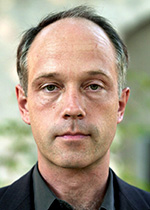
British-Swedish journalist shot dead in Afghan capital
New York, March 11, 2014–The Committee to Protect Journalists condemns today’s fatal shooting of an international journalist in Afghanistan’s capital, Kabul, and calls on authorities to ensure the perpetrators are held responsible. The shooting comes amid mounting risks for foreigners in Kabul. Two unidentified men approached Nils Horner, 51, in Kabul’s diplomatic district this morning,…