CPJ alarmed by detention of Syrian blogger
Your Excellency: The Committee to Protect Journalists is deeply concerned about the ongoing extrajudicial detention of Tal al-Mallohi, a Syrian blogger who has been held incommunicado for the past nine months. We call on you to instruct the proper authorities to ensure that al-Mallohi is afforded all her rights in accordance with Syrian law.

Microsoft moves to fight anti-piracy raids in Russia
On September 11, The New York Times reported on the use of aggressive anti-piracy raids by Russian authorities to intimidate advocacy groups and independent media outlets. The article noted that these raids are usually prompted by false reports of pirated Microsoft software, sometimes from individuals claiming to represent Microsoft. This is a trend that CPJ has…
Korea Times: Censorship on pro-NK websites tightens
The Korea Times documents the disturbing increase in censorship of writing about North Korea, with the police forcing website operators to remove 42,787 pro-North Korean comments. This may be due to an increase in North Korean government attempts to enter the online debate, but some point to the general anti-Net sentiment of the Lee administration.…
Prominent online journalist arrested in Bahrain
New York, September 7, 2010–The Committee to Protect Journalists calls on Bahraini authorities to release Ali Abdel Imam, a leading online journalist who was arrested Saturday on charges of spreading “false information.” The arrest is the latest in the government’s ongoing crackdown on dissent.
More on RIM
Another piece on RIM by the Guardian, this time reporting that the UAE were after BlackBerry messaging info, because of its use in spreading gossip about high-profile Emiratis. These quotes (translated here) from Dubai’s police chief, Lt.-Gen. Dahi Khalfan Tamim, where he says the ban was also “meant to control false rumors and defamation of…
More on certificate authority proliferation
Cryptographer Bruce Schneier linked to my Slate piece on rogue certificate authorities (CAs), which could allow governments like the UAE to monitor even the supposedly secure communications of journalists and others. The smart comments include a link to this fascinating discussion at Mozilla that shows the procedures that browser-makers use when deciding which certificates to…
New media tools bring Mozambican crisis to the world
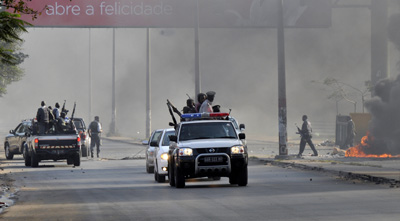
This week’s deadly unrest in Mozambique became a global news story in part because reporters and citizen journalists used new media and social networking tools. Clashes between security forces and people protesting rising prices in the capital, Maputo, left at least seven people dead and more than 200 people injured, according to the latest news…

After outcry, Jordan rolls back repressive measures
Jordanian journalists succeeded this week in turning back some of the most repressive aspects of a new law on cyber crimes. The initial version of the law, approved by the cabinet of ministers on August 3, included broad restrictions on material deemed by the state to be defamatory or to involve national security. It also…

Malaysia power firm can’t take joke, prosecutes blogger
New York, September 2, 2010–The Committee to Protect Journalists calls on authorities in Kuala Lumpur to drop a criminal charge against blogger Irwan Abdul Rahman. He was charged today with “intent to hurt” in connection with a satirical entry on his blog, nose4news, that made fun of Malaysia’s state-run power company Tenaga, news accounts said.

What should journalists know about BlackBerry fights?
The discussions between Research In Motion, maker of the BlackBerry, and governments such as the United Arab Emirates, Saudi Arabia, and India continue to hit the headlines. In each case, disagreements center on providing customer communications to security and law enforcement services. The rumblings from these nations over monitoring powers aren’t just limited to RIM:…