Ukraine to investigate Kuchma in Gongadze murder
New York, March 22, 2011–The Committee to Protect Journalists welcomes news that Ukrainian prosecutors have opened an investigation into allegations that former President Leonid Kuchma had a role in the 2000 abduction and murder of independent journalist Georgy Gongadze, left. CPJ called on Ukrainian investigators today to clarify the focus of the investigation and conduct…
Cameroonian editor charged with criminal libel
New York, March 22, 2011–The Committee to Protect Journalists condemns the prosecution of a journalist in Cameroon over coverage of a labor dispute at a transportation company. A public prosecutor in the commercial city of Douala charged Editor Jean-Marie Tchatchouang of the weekly Paroles with criminal defamation on February 4, the journalist told CPJ.
At SXSW Interactive, theory and reality converge
I’ve just returned from a hectic week at SXSW Interactive, the annual gathering of digital technologists and creators in Austin, Texas. Conferences like this are often moments of isolation from the rest of the world, where attendees become consumed with the trivia of the event itself. But because many of those attending SXSWi are prolific…

Malaysia court gets joke, drops case against blogger
In September 2010 we posted an alert about criminal charges being brought against Malaysian blogger Irwan Abdul Rahman. He was accused of “intent to hurt” because of a March 2010 satirical entry on his blog, nose4news, that made fun of Malaysia’s state-run power company Tenaga (TNB). The charges were brought by the Malaysian Communications and…
Fearing Egypt-style revolt, Cameroon bars Twitter service
“For security reasons, the government of Cameroon requests the suspension of the Twitter sms integration on the network,” announced a March 8 tweet by Bouba Kaélé, marketing manager of the Cameroon unit of South Africa-based telecommunications provider MTN. The announcement has since disappeared from Kaélé’s Twitter feed, but was memorialized by a handful of Twitter…
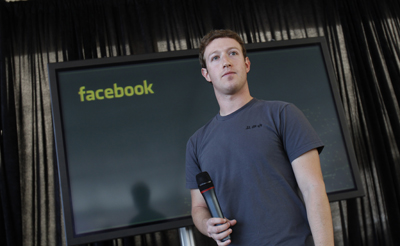
Michael Anti’s exile from Facebook over ‘real-name policy’
The Chinese journalist Michael Anti had his Facebook account deleted in January. The reason Facebook gave was that Michael Anti isn’t his real, government-recorded, name–which is true. Instead, Anti is the name that he has written under for almost a decade, on his own personal blogs, and in his writing for the New York Times…
CPJ calls on China to stop inhibiting international press
New York, March 7, 2011–The Committee to Protect Journalists rejects statements by a Chinese government official that international reporters are not being detained, attacked, and harassed in China. CPJ calls on the police to end their anti-media attempts to stop foreign journalists from reporting on possible anti-government demonstrations in what has become known as the…
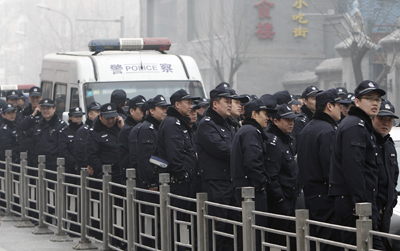
Abusive Twitter messages target foreign media in China
California-based China Digital Times (CDT) reports new Chinese-language Twitter commentators have appeared in the last week. Twitter is generally blocked in China, but heavily used by activists who access it by means of proxy networks overseas. The recent arrivals are vocal supporters of the government’s efforts to tamp down nascent “Jasmine Revolution” rallies anonymously organized…
Yemeni Journalists Syndicate stormed; Baghdad apologizes
New York, February 28, 2011–The Committee to Protect Journalists is alarmed by the ongoing attempts of governments in the Middle East to censor news coverage of protests. In Yemen, men stormed the Journalists’ Syndicate on Saturday, and in Iraq, journalists demanded apologies from the military after a crackdown on the press on Friday, and Baghdad…