
Attacks on the Press in 2011: Regulating the Internet
Legislation for Internet security can quickly turn into a weapon against the free press. Cybercrime laws are intended to extend existing penal codes to the online world, but they can easily be broadened to criminalize standard journalistic practices. By Danny O’Brien
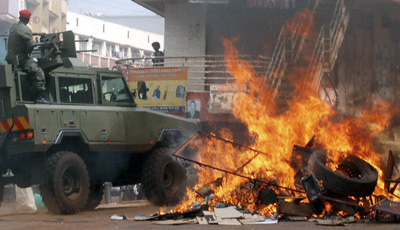

Attacks on the Press: China Holds Fast to Information Control
Internet users posed ever-bigger challenges to Beijing’s media controls, boosting debate on public safety and censorship. But ahead of a 2012 leadership transition, the Chinese Communist Party looks likely to fiercely suppress dissent. By Madeline Earp

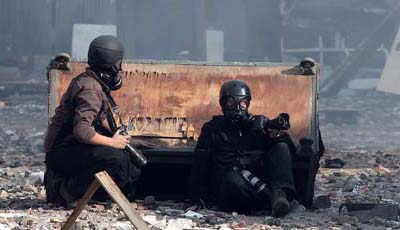
Attacks on the Press: From Uprisings, Trends to Watch
The Middle East’s political shifts changed conditions for journalists dramatically. The emerging trends favor free expression, but are filled with ambiguity and depend on the political configurations to emerge after the revolutionary dust has settled. By Mohamed Abdel Dayem
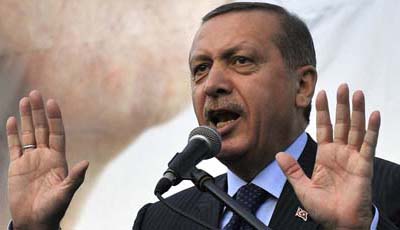
Attacks on the Press in 2011: Turkey’s Legal Problem
With the aid of anachronistic legislation and a rigid judiciary, Turkish officials and politicians have curbed free expression by subjecting journalists to endless court proceedings and legal costs. The EU and the U.S. are no help. By Robert Mahoney >> Türkçe
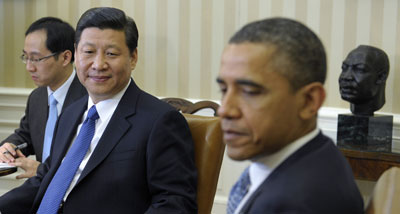
Archaic media policies make China a poor partner
President Obama has promised to raise issues of human rights when he and his administration meet with Chinese Vice President Xi Jinping in the next day. After that, Xi, billed as China’s next leader, is expected to make some speeches, visit a few factories, stop at the Pentagon, sign some contracts that will strengthen economic…