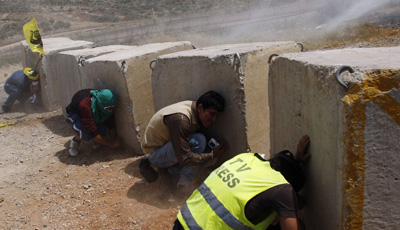
Attacks on the Press in 2011: Evolution in Journalist Security
The danger of covering violent street protests has become a significant risk for journalists, alongside combat and targeted killings. Sexual assault, organized crime, and digital vulnerability are also hazards. The security industry is struggling to keep up. By Frank Smyth

Attacks on the Press: China Holds Fast to Information Control
Internet users posed ever-bigger challenges to Beijing’s media controls, boosting debate on public safety and censorship. But ahead of a 2012 leadership transition, the Chinese Communist Party looks likely to fiercely suppress dissent. By Madeline Earp
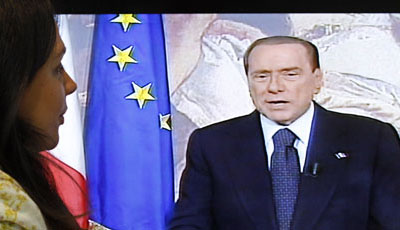
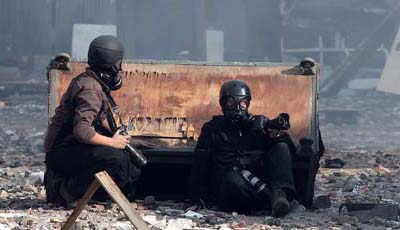
Attacks on the Press: From Uprisings, Trends to Watch
The Middle East’s political shifts changed conditions for journalists dramatically. The emerging trends favor free expression, but are filled with ambiguity and depend on the political configurations to emerge after the revolutionary dust has settled. By Mohamed Abdel Dayem
Attacks on the Press in 2011: Iran’s Vast Diaspora
Journalists who have fled Iran to avoid prison face a tense and lengthy process toward resettlement, an uncertain financial and professional future, and most of all, fear that the Iranian government will catch up with them. By María Salazar-Ferro and Sheryl A. Mendez >> فارسي
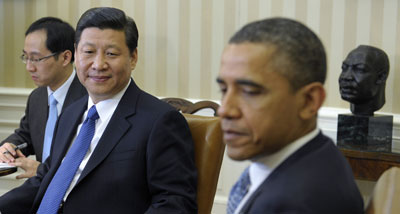
Archaic media policies make China a poor partner
President Obama has promised to raise issues of human rights when he and his administration meet with Chinese Vice President Xi Jinping in the next day. After that, Xi, billed as China’s next leader, is expected to make some speeches, visit a few factories, stop at the Pentagon, sign some contracts that will strengthen economic…
Old issues, new debates on Internet freedom in India
Just how free should the Internet be in India? And whose job is it to police the Web? Two recent court cases turn on these questions and, more specifically, whether Internet companies have a responsibility to filter content. In a country where Internet usage is growing exponentially, but where the scars of communal violence, terrorism,…